Made Kuti Defends Inter-Ethnic Marriage, Slams Critics of “Mixing Blood”
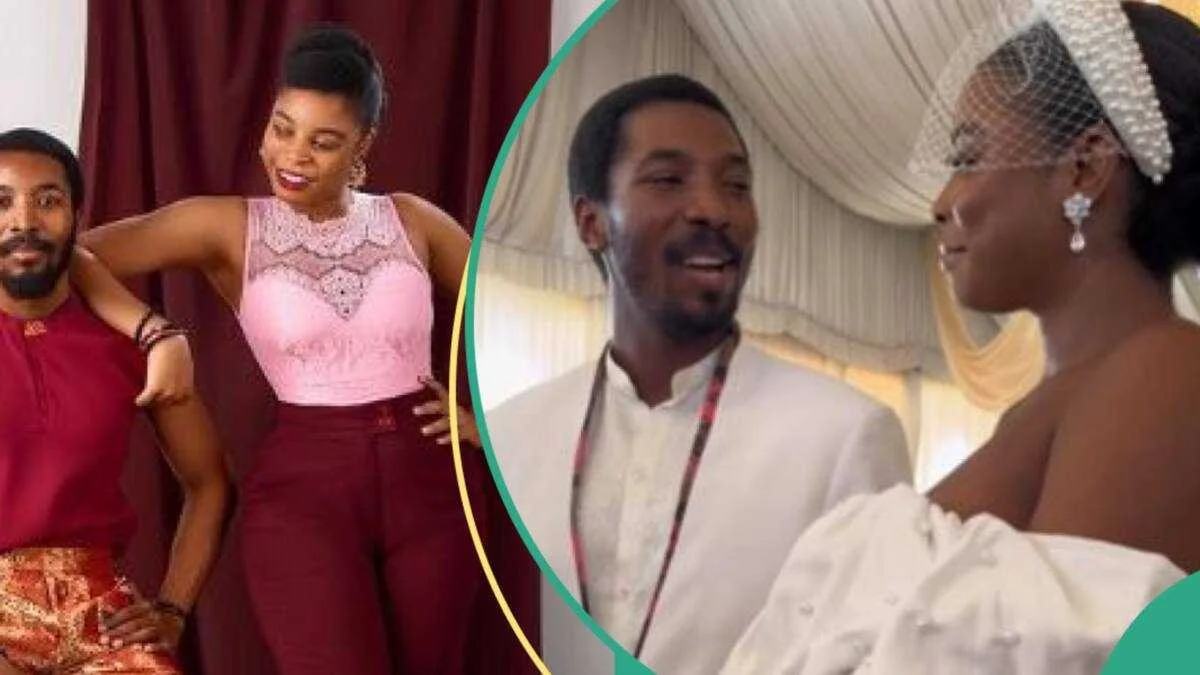
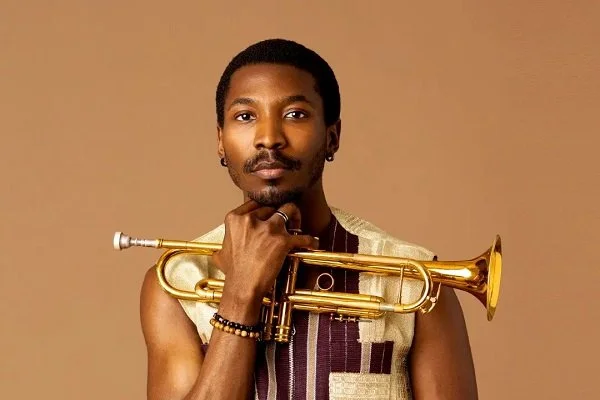
Afrobeat singer Made Kuti, grandson of the late music icon Fela Anikulapo-Kuti, has hit back at critics attacking his marriage to Inedoye Onyenso, an Igbo woman.
The couple tied the knot in a civil wedding ceremony in Lagos in November 2023, but since then, their union has faced backlash from some bigots who accused them of “mixing blood” due to their different ethnic backgrounds.
The latest wave of criticism came after an X user, @AdemolaOgudu, insulted him as a “foolish Yoruba man” for marrying outside his tribe.
In his response, Made dismissed such thinking as primitive and divisive.
“Believing ethnic superiority/inferiority is justifiable is slave mentality,” he wrote.
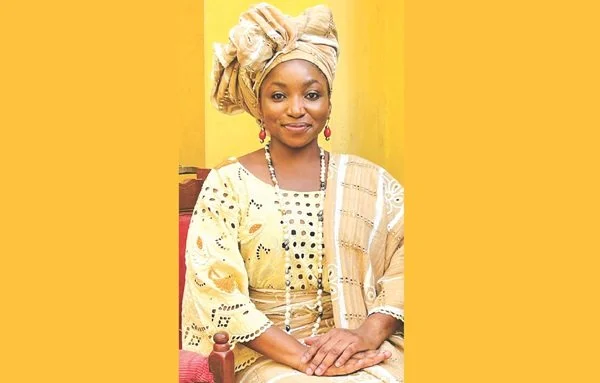
He went further to urge his critics to educate themselves with the works and legacies of Pan-African leaders like his great-grandmother Funmilayo Ransome-Kuti, his grandfather Fela Kuti, as well as Kwame Nkrumah and Thomas Sankara.
According to him, Africa stands to gain more from unity than division.
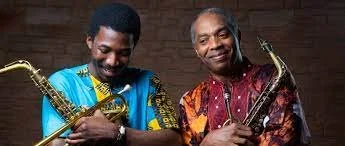
Opinion: Love Beyond Borders — A Lesson Africa Still Needs
Made Kuti’s defense of his marriage is more than a celebrity clapback — it is a reminder of how deeply ethnic prejudice still shapes relationships in Nigeria. For many, love should be free of cultural barriers, yet tribal sentiments remain a stumbling block for couples who dare to cross ethnic lines.
But history has shown us that great African leaders, thinkers, and revolutionaries envisioned a continent where identity is not reduced to tribe. If Fela preached liberation and unity through music, and Funmilayo Ransome-Kuti fought for equality and justice, then Made’s stance is a continuation of that legacy.
The truth is simple: love is not weaker when it crosses ethnic borders — it is stronger, richer, and more beautiful. The Kuti-Onyenso union challenges Nigerians to see beyond old prejudices and embrace the idea that progress lies in unity, not division.
At the end of the day, Africa has nothing to lose and everything to gain when its people learn that a Yoruba heart can beat for an Igbo soul — and the music of that love can only make us stronger.