Tyla Responds to Tiwa Savage’s Apology Over “Coloured” Controversy
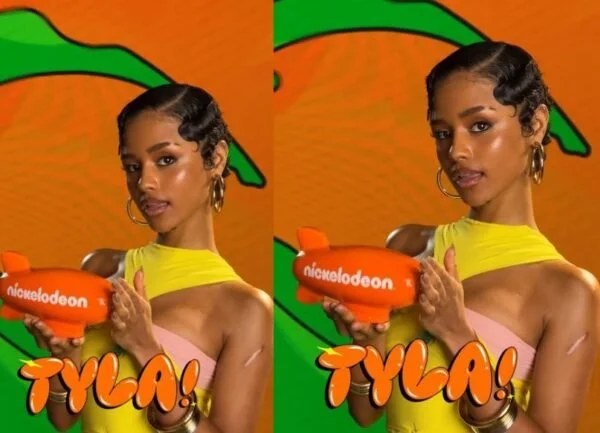
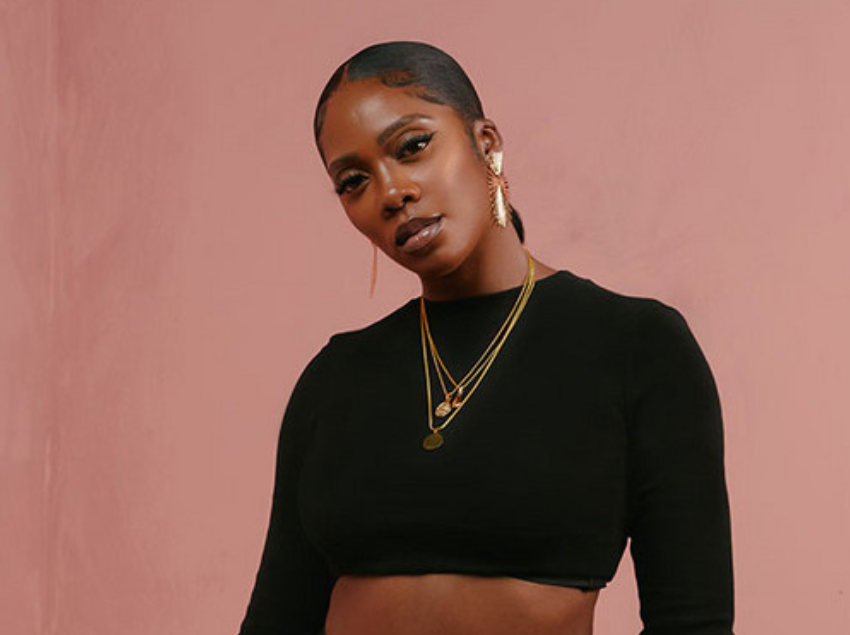
Grammy-winning South African singer Tyla has responded in her own way to the controversy surrounding her racial identity after Nigerian superstar Tiwa Savage apologised on her behalf to Black Americans.
The debate began when Tyla publicly identified as “coloured,” a term widely accepted in South Africa to describe people of mixed descent. However, in the United States, the same word is regarded as offensive due to its historical ties to racial discrimination.
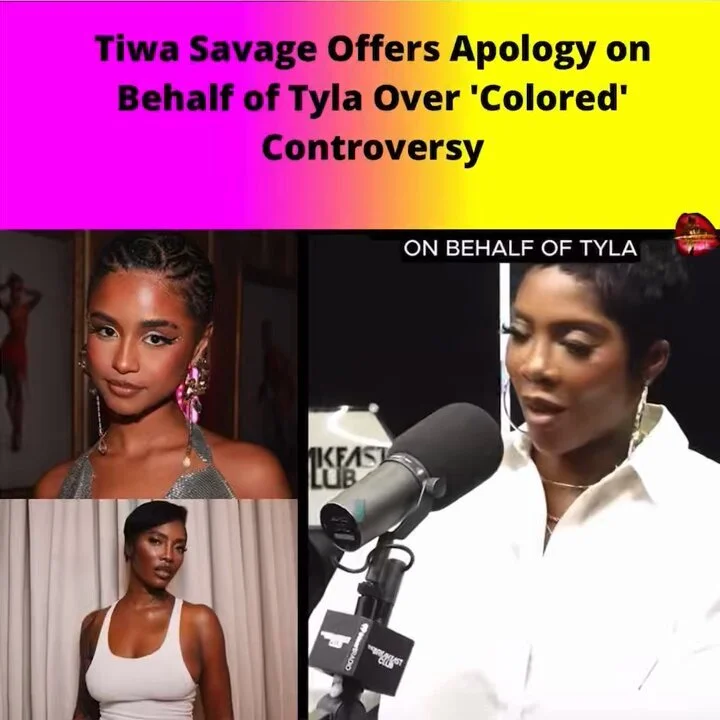
The difference in meaning has created a cultural clash, sparking backlash from African-Americans who criticized Tyla’s self-identification. In an attempt to quell the storm, Tiwa Savage—appearing on The Breakfast Club in the U.S.—offered an apology to Black Americans, describing herself as Tyla’s “elder.”
But her gesture didn’t sit well with many South Africans, who accused her of speaking without fully understanding their unique history and identity.
Tyla herself seemed to distance from Tiwa’s apology during her performance at the Global Citizen Festival in New York over the weekend. Before performing her track Mr. Media, she declared: “Sorry, I am not sorry.”
The moment quickly went viral, with thousands of South Africans sharing the clip online and praising Tyla for standing firm in defense of her identity.
Opinion: A Clash of Contexts and the Importance of Cultural Nuance
At its heart, this controversy isn’t just about Tyla or Tiwa Savage—it’s about how language, history, and identity differ across cultures. What is normal and empowering in one society can be deeply offensive in another. The word “coloured” in South Africa carries cultural pride and historical context, while in the U.S., it echoes pain and systemic oppression.
Tiwa Savage’s apology, while well-intentioned, highlights how easily good intentions can backfire when cultural nuance is overlooked. South Africans saw it as an outsider undermining their lived reality, while African-Americans viewed it as overdue accountability. Tyla’s response—bold and unapologetic—reflects the growing determination of younger African artists to define themselves on their own terms, not through borrowed lenses.
The lesson here is simple: global conversations on race require sensitivity, humility, and above all, context. Instead of rushing to speak for others, it may be wiser to listen, learn, and let people represent themselves.