Gary Neville Backs Solskjaer — But Warns Man United Against Repeating Old Mistakes
Manchester United legend Gary Neville has admitted he would not oppose Ole Gunnar Solskjaer returning as the club’s permanent manager — but only if he proves himself during a temporary spell in charge.
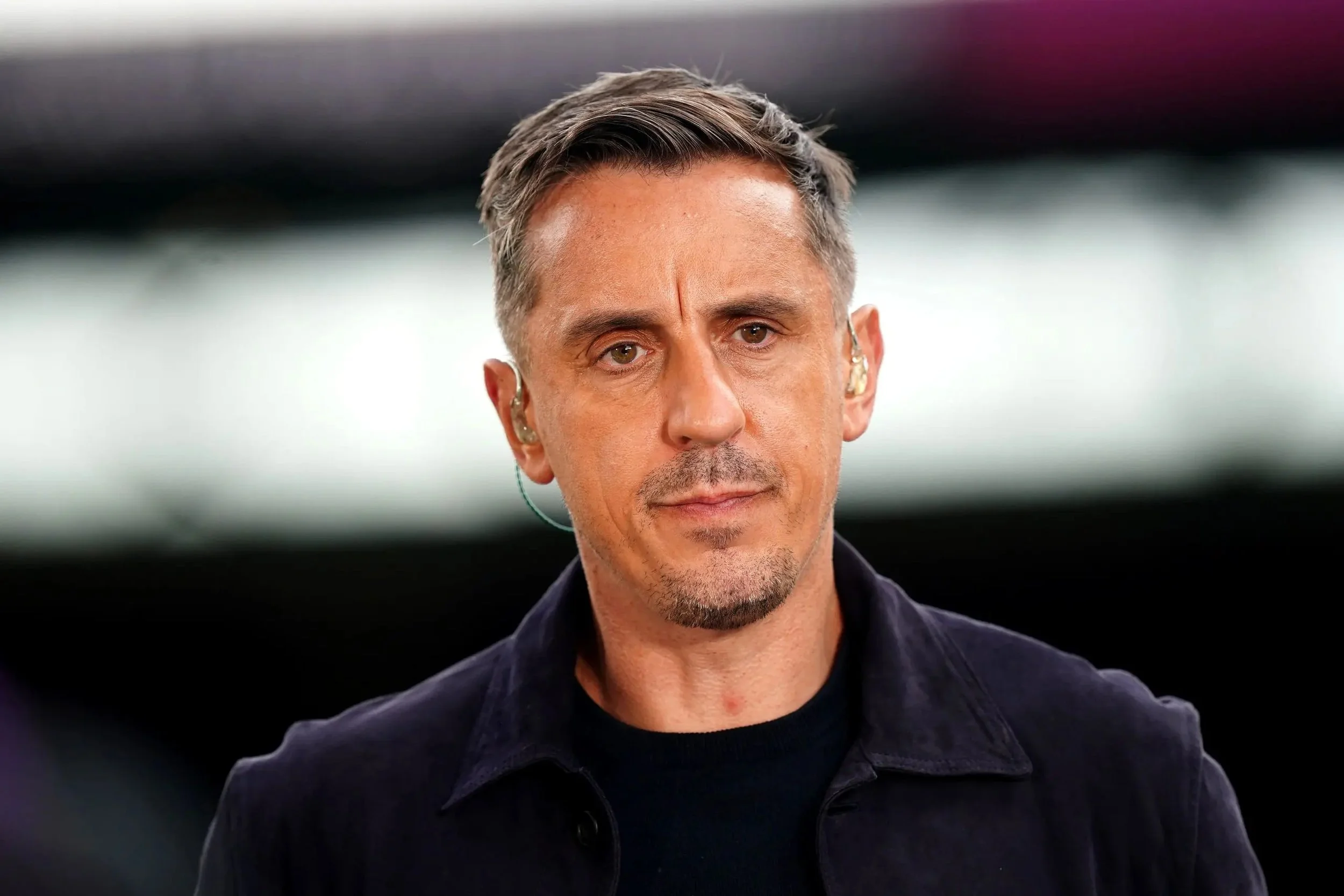
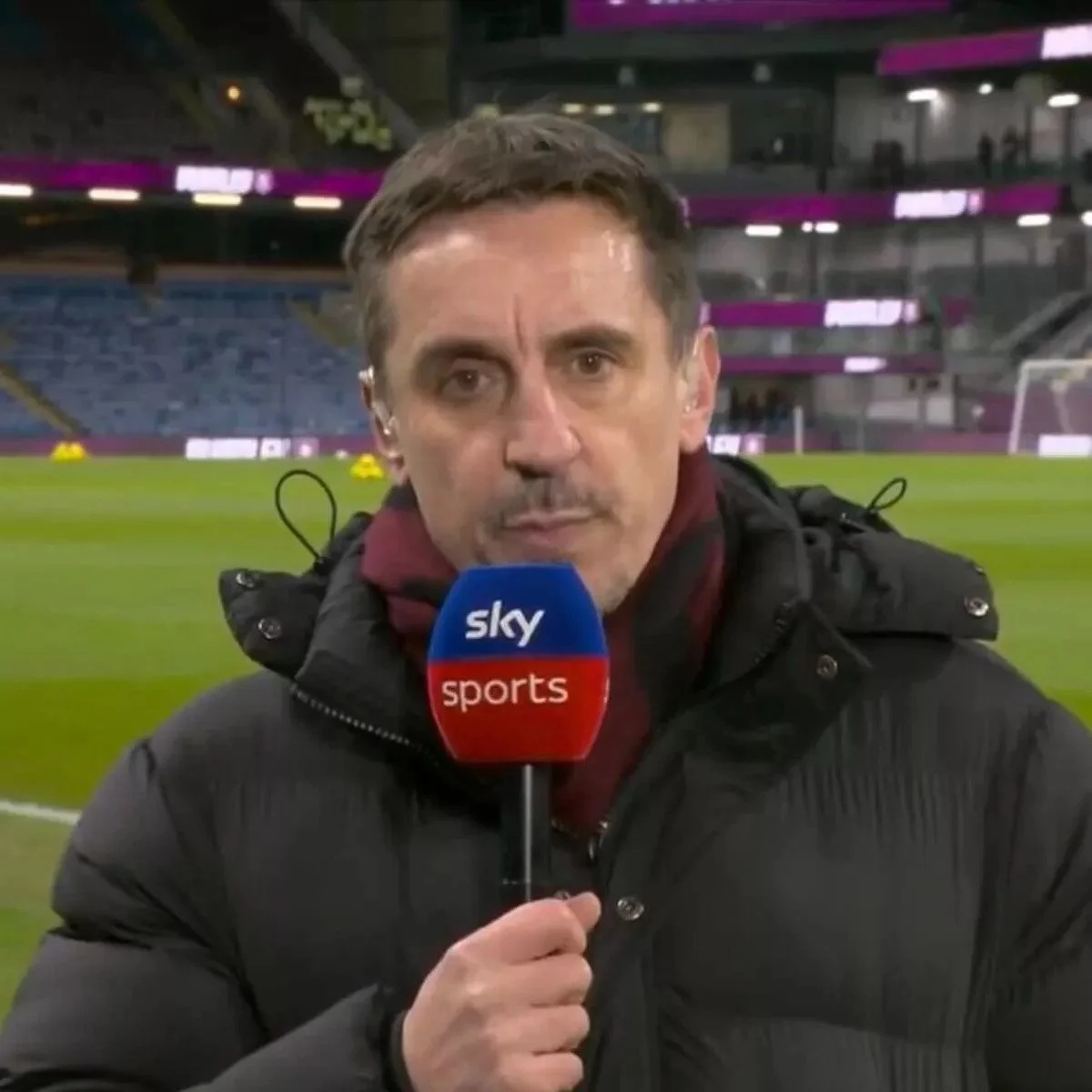
Speaking to Sky Sports after United’s draw with Burnley, Neville cautioned that the club may once again be falling into a familiar trap: relying on former players rather than proven elite managers, a mistake he believes stalled Liverpool for decades during their post-dominance years.
Neville compared United’s current situation to the period following David Moyes’ dismissal, when Ryan Giggs was appointed interim manager, and later when Solskjaer himself took over.
“United have been doing this for 12 years now,” Neville said.
“They made Ryan Giggs in charge ten years ago, then Ole took over, and it felt like going back to the old team again.”
A Familiar Cycle at Old Trafford
Neville described United’s managerial decisions as repetitive and reactionary, likening them to a football version of Groundhog Day.
“It’s like trying a new one, then another one. It’s almost like a cycle and a movie we’ve all seen before,” he added.
Despite his concerns, Neville acknowledged Solskjaer’s strengths — particularly his deep emotional connection to the club and his understanding of the job after already experiencing it firsthand.
“Ole absolutely loves the club. He understands the job well because he has been working in it,” Neville said.
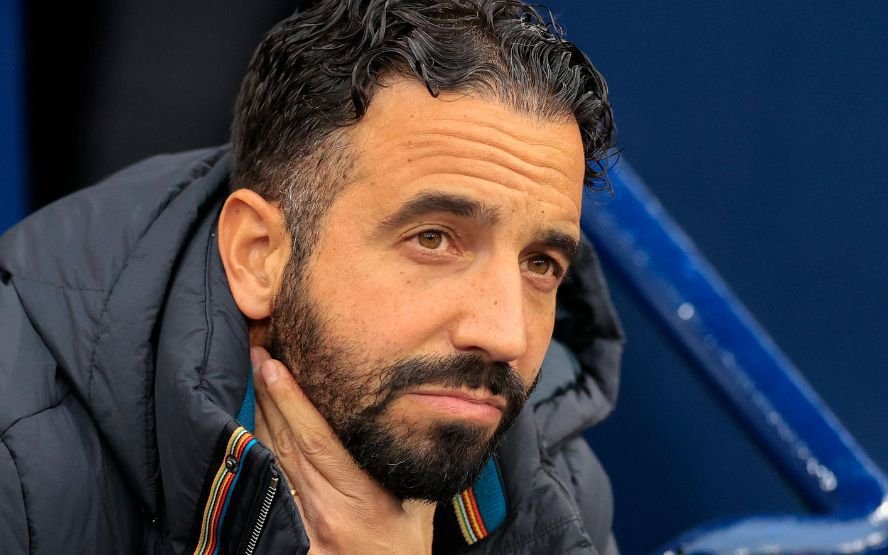
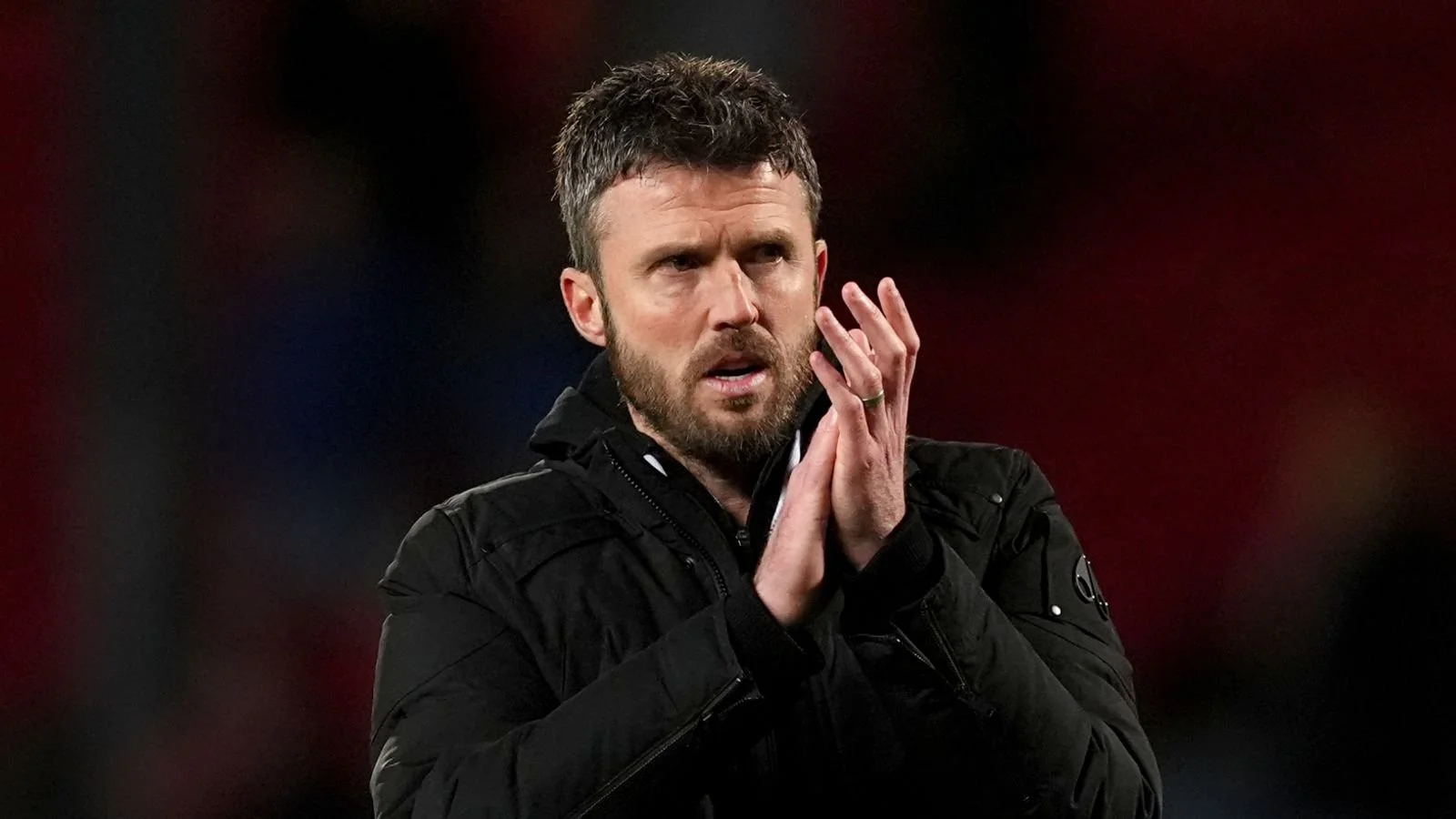
He also mentioned Michael Carrick and Ruud van Nistelrooy as potential interim options, praising their character and commitment to United, but warning that affection alone won’t shield them from pressure.
“They will get the club, but they will still face a lot of pressure in the next four or five months if their results aren’t good.”
Opinion: Sentiment vs Strategy at Manchester United
Neville’s comments strike at the heart of United’s long-running dilemma: should identity and loyalty outweigh elite-level managerial pedigree?
Former players understand the club’s DNA, but football at the top level now demands tactical innovation, authority in the dressing room, and long-term planning. Nostalgia can steady a ship in crisis — but it rarely builds dynasties.
If Solskjaer or Carrick are handed temporary control, the challenge is clear: results must justify romance. Otherwise, United risk once again delaying the hard decisions required to return to the summit of English and European football.
For a club desperate to move forward, the next appointment must be more than a comforting memory — it must be a statement of intent.