Phyna Sparks Debate With Call for Marriage Law Reform in Nigeria
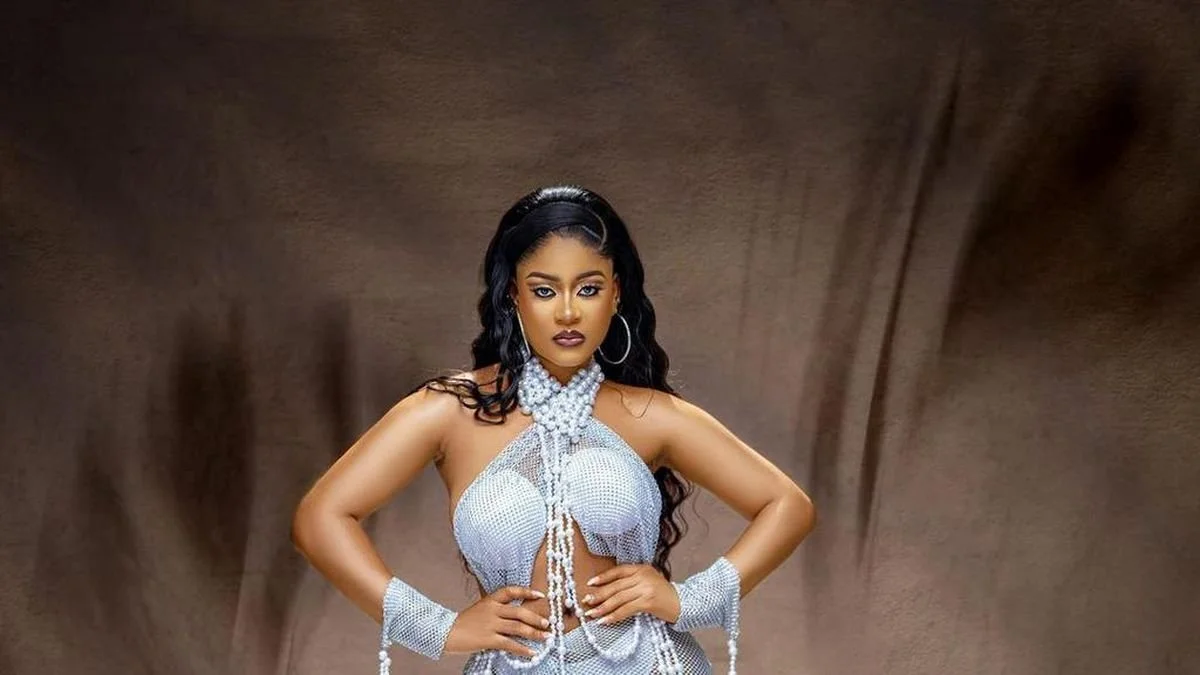
Former BBNaija winner and reality TV star Ijeoma Josephina Otabor, popularly known as Phyna, has set social media buzzing after a video of her views on marriage laws went viral.
In the video, Phyna argued that Nigerian marriage laws should be reviewed to give women the same freedom men enjoy when it comes to marriage. According to her, it is unfair that men are allowed to marry more than one wife while women are legally restricted to one husband.
The outspoken reality star stated that if the law were changed, women should be free to marry as many husbands as they choose. Using herself as an example, Phyna said she would gladly marry up to five men and treat all of them equally.
She added that there would be no favoritism, stressing that all her husbands would wear the same clothes and enjoy the same standard of living.
Phyna also referenced practices in other countries, including India, suggesting that Nigeria could explore alternative marital systems that allow women to have multiple husbands if they so desire.
Describing herself as someone ready to embrace such a lifestyle, she encouraged women to be bold and united in demanding changes that reflect equality.
“See, the only thing I want now is that they should just change the law,” she said.
“I go marry like five men… I go buy the same clothes for all of them. I’m going to be a polygamous woman.
Then we go buy Sprinter. Instead of Sienna, we’ll go buy a Sprinter.”
Opinion: Provocation, Equality, or Just Phyna Being Phyna?
Phyna’s comments may sound shocking to many, but they tap into a deeper and ongoing conversation about gender equality and double standards in society.
For decades, polygamy has been culturally and legally acceptable for men in many parts of Nigeria, while women are expected to remain monogamous without question. By flipping the script, Phyna forces people to confront an uncomfortable truth: if polygamy is justified for one gender, why is it considered outrageous for the other?
That said, her statement also walks the thin line between serious advocacy and social-media provocation. While some see her comments as a bold challenge to patriarchal norms, others view them as unrealistic or purely attention-grabbing.
Still, whether people agree with her or not, Phyna has succeeded in what many public figures aim to do—start a conversation. Marriage, culture, religion, and law are deeply intertwined issues in Nigeria, and meaningful reform requires thoughtful dialogue, not just viral soundbites.
In the end, Phyna’s remarks may not lead to immediate legal change, but they highlight growing voices among young Nigerians questioning long-standing traditions and demanding fairness. Love her or criticize her, one thing is clear: she has once again ensured that people are talking—and thinking.