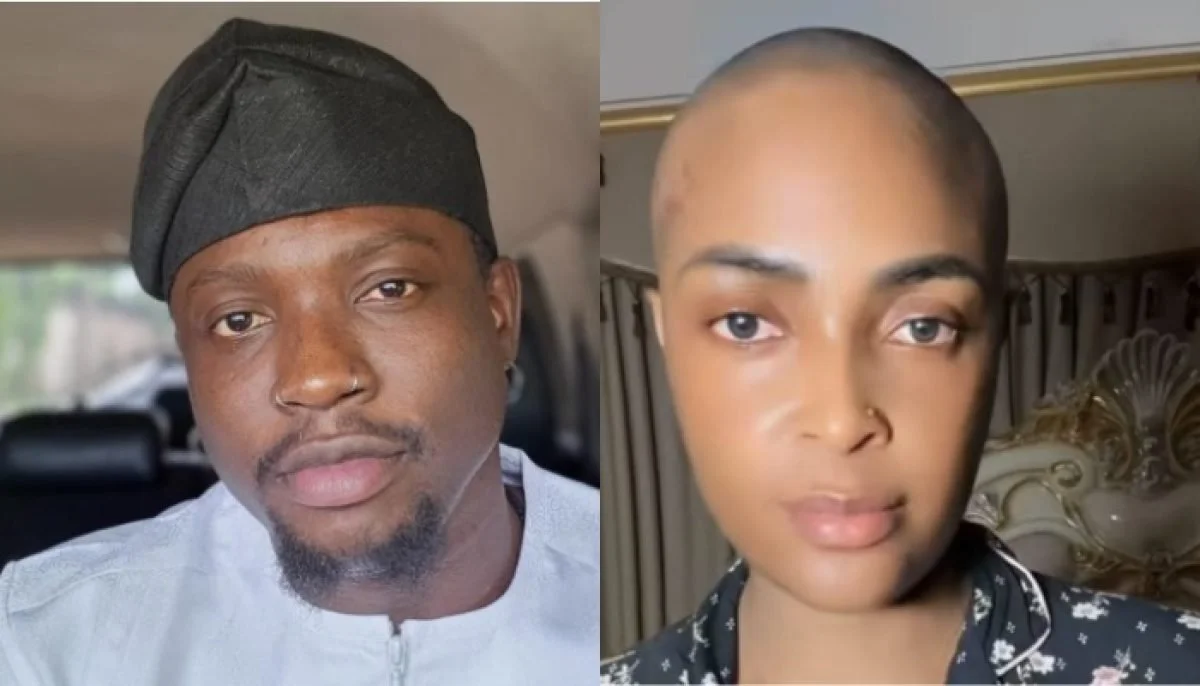
Blessing CEO Clarifies Cancer Diagnosis, Addresses Fundraising Controversy
Controversial relationship expert Blessing CEO has spoken out to clear the air surrounding her health condition and recent fundraising efforts, following widespread speculation online.
In an interview with popular content creator Egungun on the show Young and Healthy Bros, Blessing explained that earlier reports about her condition had been misunderstood.
“I don’t have stage 4 cancer. That was a miscommunication,” she said.
According to her, initial medical assessments suggested the lump was non-cancerous, but subsequent biopsy results confirmed it was cancerous. However, she emphasized that further tests are still ongoing to determine the exact stage of the illness, noting that she has not yet begun chemotherapy.
Blessing also addressed public concerns over funds raised for her treatment, dismissing claims of excessive donations.
“The money raised is not hundreds of millions as some people think. It’s just 13 million naira,” she clarified.
She maintained that she would not share her medical reports publicly, describing them as personal and stressing that she is simply relaying information provided by her doctors.
“I will not post my results online because it’s personal, and I don’t owe anyone an apology,” she added.
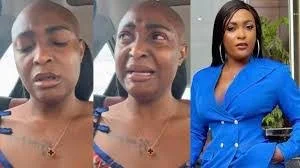
The social media personality reiterated that her priority is to carefully evaluate her treatment options and make informed decisions about her health.
Opinion: Between Public Curiosity and Personal Privacy
Blessing CEO’s situation highlights a growing tension in today’s digital age—the blurred line between public interest and personal boundaries.
As a controversial figure, she is no stranger to scrutiny. However, when it comes to health issues, especially something as serious as cancer, the expectation for full public disclosure can quickly become overwhelming and, at times, unfair.
On one hand, skepticism from the public is understandable. In an era where misinformation spreads easily, people often demand proof before offering support—especially when money is involved. Transparency builds trust.
But on the other hand, illness is deeply personal. No one should feel pressured to share medical records online just to validate their experience. There has to be a limit to what the public is entitled to know, regardless of a person’s social media presence.
What stands out here is the role of communication. The initial “stage 4 cancer” narrative—whether misunderstood or misreported—created panic and doubt. This shows how quickly narratives can spiral when information is unclear or incomplete.
Ultimately, this situation is a reminder of two things: public figures must communicate carefully, especially on sensitive issues, and audiences must learn to balance curiosity with empathy.
At the center of it all is a human being facing a serious health challenge—and that reality should never be lost in the noise of online debates.