N50 Billion In Punchlines: Who Really Pays Nigeria's Skit Stars
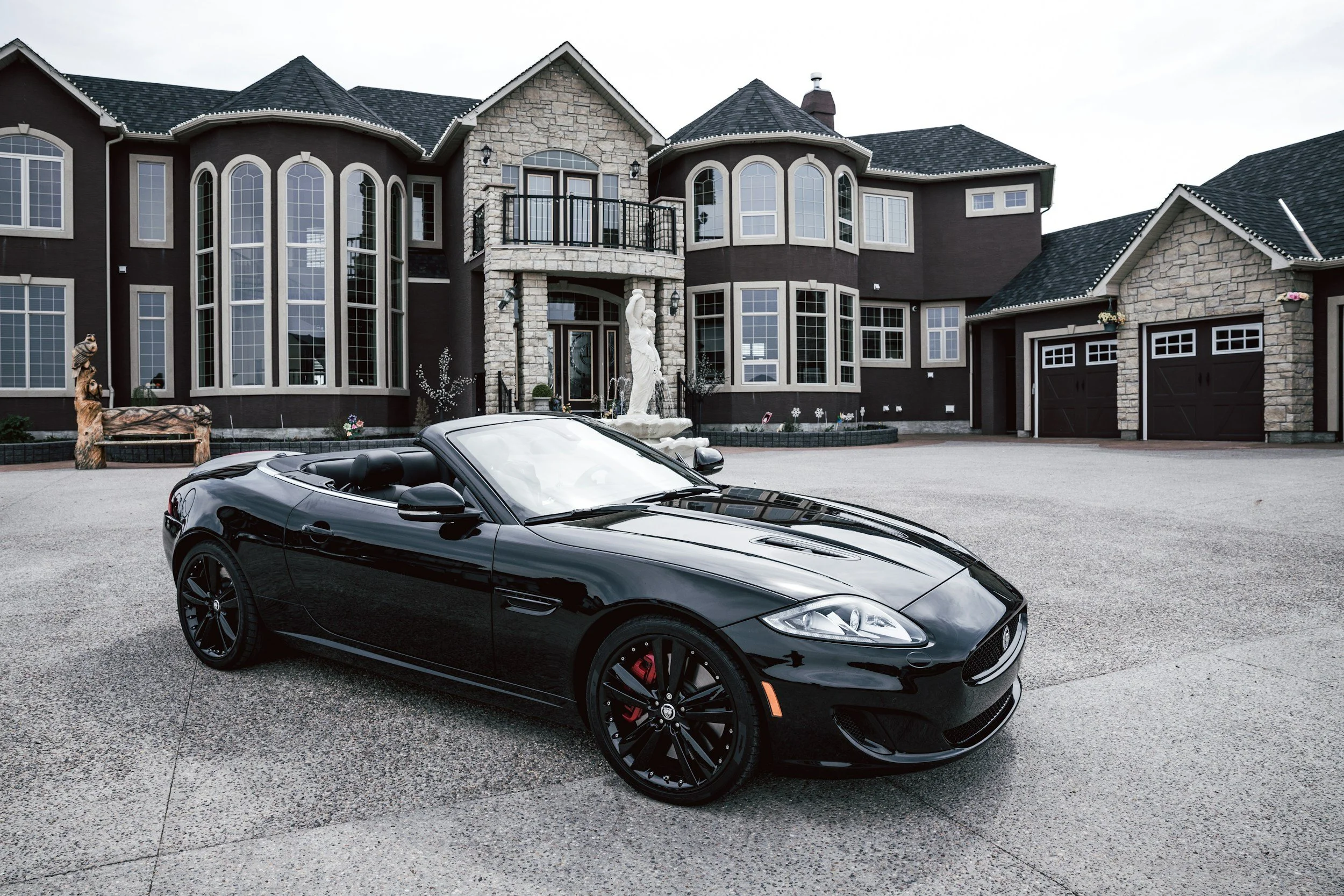
Two weeks ago, the whole country watched a real-estate mogul hand a TikTok star a N400 million mansion at his wedding. It looked like a one-off spectacle, the kind of number that exists mainly to be screenshotted. It was actually a receipt.
The Peller-Jarvis wedding on August 1, 2026 — mansion gift and all — was the most visible display yet of a wealth shift that has been building quietly in Nigeria's comedy and skit scene for years. The gist gets the headlines. The money behind it gets less attention, and it deserves more.
So where is that money actually coming from, and why is it suddenly big enough to buy houses?
Follow the cheques rather than the punchlines, and a clearer picture of Nigeria's creator economy comes into focus — one where the biggest money no longer comes from the platforms hosting the content at all.
Brand budgets, not AdSense
Per BusinessDay, brand deals now top Nigerian skit makers' earnings outright. Telecoms — Glo, MTN, Airtel — along with banks, FMCG companies and food brands are all paying directly for sponsored content, and that money now outweighs what creators pull from platform ad revenue.
Industry analysts cited by BusinessDay put Nigeria's digital comedy sector's collective worth at over N50 billion, with the biggest names pulling in millions of naira every month. That is not pocket change generated by views alone — that is a sector with its own line items inside corporate marketing budgets, the same budgets that once went almost exclusively to television and billboard campaigns.
The continental data backs up the shift: brand sponsorships are now the primary revenue source for 28.3 percent of African creators, ahead of both streaming payouts and straightforward ad revenue. Skits went from being something brands sponsored occasionally to something brands now budget for as a matter of course.
It makes sense why telecoms and banks lead the charge. Glo, MTN and Airtel are chasing the exact mass-market, mobile-first audience that skit comedy already commands, without the production costs of a traditional television commercial. A skit maker with an established audience is, in effect, a ready-made distribution channel that a brand can rent by the post.
Live-streaming's new frontier
If brand deals are the base, live-streaming ambassadorships are the new premium tier. Peller's 2026 ambassador deal with streaming platform Kick is estimated at over $500,000 annually — a single-platform arrangement worth more than many traditional Nollywood careers put together.
It marks live-streaming platforms as the newest income frontier for Nigerian creators, and it explains a lot about the confidence on display at that wedding. Money like that does not just pay bills — it buys the kind of public flex that then attracts more brand attention, in a loop that feeds itself: the bigger the display, the bigger the next offer.
An ambassador deal is also a different kind of arrangement from a one-off sponsored skit. It is recurring, it is exclusive to one platform, and it is negotiated more like a footballer's boot deal than a single piece of branded content — a sign of how seriously platforms now compete for a handful of Nigerian names with proven pulling power.
What the numbers look like by name
Put names to the figures and the spread is wide:
Mark Angel Comedy — over 8 million YouTube subscribers and billions of views, translating into substantial ad and brand income
Broda Shaggi — reportedly charges up to N1 million per show
Josh2funny — commands around N500,000 for sponsored performances
Even those "smaller" numbers, per Legit.ng, are real money for a single appearance, repeated across a busy calendar of shows, brand activations and sponsored posts. Multiply a mid-tier fee by a full month of bookings and it starts to look less like a comedian's side income and more like a proper business with a full diary.
Mark Angel Comedy sits at the very top of that ladder: eight million-plus subscribers and billions of views is the kind of scale that turns ad and brand income into a steady, compounding business rather than a one-off windfall. Broda Shaggi and Josh2funny represent the tier just below — working comedians whose per-show fees already amount to serious, repeatable income across a busy calendar.
The platforms are competing for talent too
It is not only brands chasing creators — platforms are chasing each other's creators. AllAfrica reported in March 2026 that Facebook has been targeting Nigerian TikTok and YouTube talent directly, with offers reported at $3,000 monthly to lure top names across.
That is a bidding war for attention, playing out creator by creator, and it is precisely the kind of competition that pushes numbers like Peller's Kick deal higher. When platforms compete for the same handful of top Nigerian creators, the price of the biggest names only moves in one direction.
A flat $3,000 monthly offer will not move a creator already earning half a million dollars a year from an ambassador deal. But it is a serious number for the tier of creators just below the very top — proof that the platform competition now runs several layers deep into Nigeria's skit ecosystem, not just at the Peller level.
Nigeria's digital comedy sector is now worth over N50 billion — and brand deals, not AdSense, pay the bills.
Add it up and the N400 million mansion at Peller's wedding stops looking like an outlier and starts looking like the visible tip of an economy BusinessDay values at north of N50 billion. Skit comedy used to be a side hustle that occasionally went viral. In 2026, it is a full balance sheet, with telecoms, banks and streaming platforms all writing cheques — and the punchlines are just the delivery mechanism.
The next generation of skit makers coming up now is watching all of this closely — the mansion, the ambassador deals, the brand cheques stacking up behind every viral clip — and drawing an obvious lesson. The path to Nigerian creator wealth no longer runs through going viral for its own sake. It runs through building the kind of audience a telecom, a bank or a streaming platform is willing to pay millions of naira a month to stand next to.