Fuji Is Back in the Room: Why 2026's Biggest Afrobeats Hits Keep Sampling Shina Peters and Musiliu Haruna Ishola
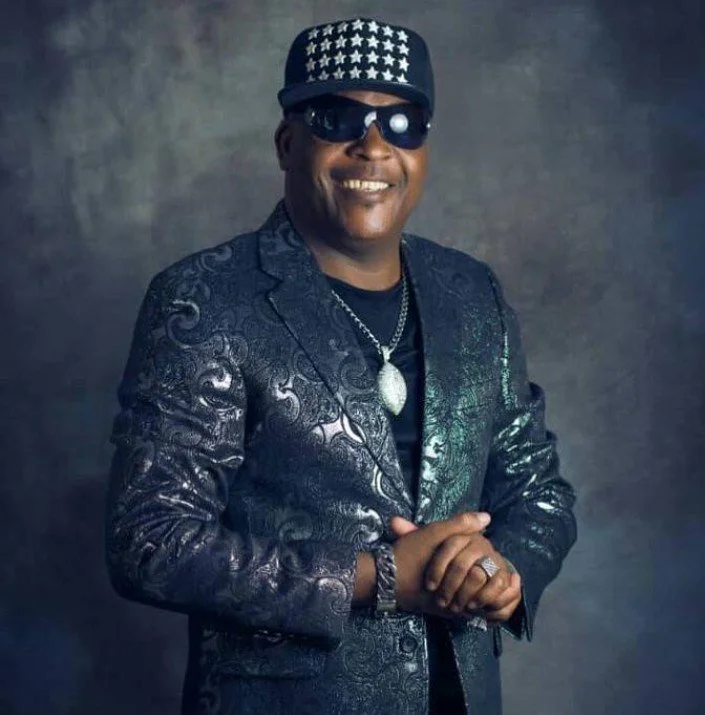
Sir Shina Peters made 'Shinamania' in 1989. Thirty-seven years later, he is in the middle of one of Nigeria's biggest viral music moments — not as a nostalgia act trotted out for a tribute medley, but as a featured guest in a 2026 music video, dancing alongside an artist who built his career long after that original record.
That song is Falz's 'Omoge,' released as a single on March 20 and given a video in June. It is built on a direct sample of Peters' 1989 hit 'Shinamania,' with Peters himself appearing in the video, BellaNaija reported. It has since gone viral on TikTok and Instagram, soundtracking everything from outfit-transition videos to wedding content.
And it is not alone. Fuji, apala and juju — the sounds of Nigeria's pre-Afrobeats elders — are having a moment inside 2026's biggest new records, and that is worth asking why.
Falz sampled Sir Shina Peters. Adekunle Gold built 'Formation' around Fuji rhythms. Asake sampled Alhaji Rasheed Ayinde Obey. Fireboy DML sampled Musiliu Haruna Ishola.
It's Not Just Falz
Adekunle Gold's 'Formation,' featuring Olamide and released April 9, fuses Fuji rhythms into what Gold himself calls his 'Electro Fuji' sound, according to the song's Wikipedia entry. It doubles as something else notable: his first collaboration with Olamide, the former YBNL label boss, since Gold left the label.
That a reunion between two artists once so closely associated lands on a Fuji-inflected record, rather than the street-pop sound that made both their names, says something about where the two see the culture heading.
Asake has sampled Alhaji Rasheed Ayinde Obey's 'Merenge' on his song 'Active.' Fireboy DML sampled Musiliu Haruna Ishola's 'Ise Oluwa Ko Seni Toye' on his own track, 'Iseoluwa,' Tooxclusive noted. Four of the year's most talked-about street-facing artists, four different elders from Fuji, apala and juju's back catalogue, all in the same stretch of 2026.
So Why Now?
Nigerian music commentary — including podcaster Joey Akan — has framed this wave as a reaction to a specific anxiety: that Amapiano's log-drum production, which swallowed Afrobeats for the past few years, was starting to make the genre sound monotonous, per Tooxclusive's editorial on the trend. That concern dates back to around 2024.
That anxiety was never really about Amapiano itself so much as what happens to any sound once every producer reaches for the same drum pattern. A genre can lose its edges fast when everyone is borrowing from the same three records.
Read that way, this isn't nostalgia for its own sake. It's a production reset. When every other record leans on the same log-drum foundation, reaching for Shina Peters' horns or Musiliu Haruna Ishola's percussion is the fastest way to sound different from everything else on the same playlist.
Credibility, Not Just Texture
There's a second thing happening here beyond the sonics. Having Sir Shina Peters physically in your video, or naming your sound after Fuji rather than disguising the sample, buys something Amapiano's log drum never could: a direct handshake with Nigerian musical history, on camera, from the man who made the original.
That is a currency of its own. Falz didn't just clear a sample — he got Shina Peters showing up and dancing alongside him in the video. That is co-sign as much as it is composition.
It is the difference between a producer quietly flipping a loop and an artist building an entire rollout, video included, around the idea that the original creator deserves to be seen, not just heard in the background.
Does It Actually Fix the Monotony Problem?
Here's where we should be honest: four songs from four artists is a trend, not yet a rescue. Fuji and apala sampling gives 2026's biggest records a distinct texture, but it does not automatically fix an industry-wide production habit if everyone converges on the same handful of Shina Peters and Musiliu Haruna Ishola records to flip.
It is also worth remembering that trends like this have a short shelf life once every act on the chart tries the same move. The credibility only works while the gesture still feels rare.
The real test is whether this stays a rotating cast of elders — Peters, Obey, Haruna Ishola, and whoever comes next — or collapses into its own new formula the way Amapiano's log drum did. Sampling your way out of monotony only works if artists keep digging for new crates instead of returning to the same two or three records.
What the Elders Get Out of It
It's worth sitting with what this trade looks like from both sides. A younger generation gets instant credibility and a sound nothing else on the chart has right now. The Fuji, apala and juju originators — some of them, like Peters, still very much active — get their catalogue back in front of an audience two generations removed from the originals, on camera and credited.
That is a better deal than most sampling relationships in Nigerian music have historically offered the artists being sampled. Whether it lasts, or whether 2026 is remembered as the year Fuji had one good run before the algorithm moved on, is the actual question hiding underneath all those outfit-transition videos.