While Nigerian Football Mourns, Team Nigeria's Other Athletes Just Had Their Best Commonwealth Games Ever
Ask the average Nigerian sports fan how 2026 has gone, and you'll get a football answer. The Super Eagles missed the World Cup. The Super Falcons missed the Women's World Cup for the first time in their history. Both are real, both are painful, and both have dominated the conversation for months. Almost nobody is talking about the 24 medals.
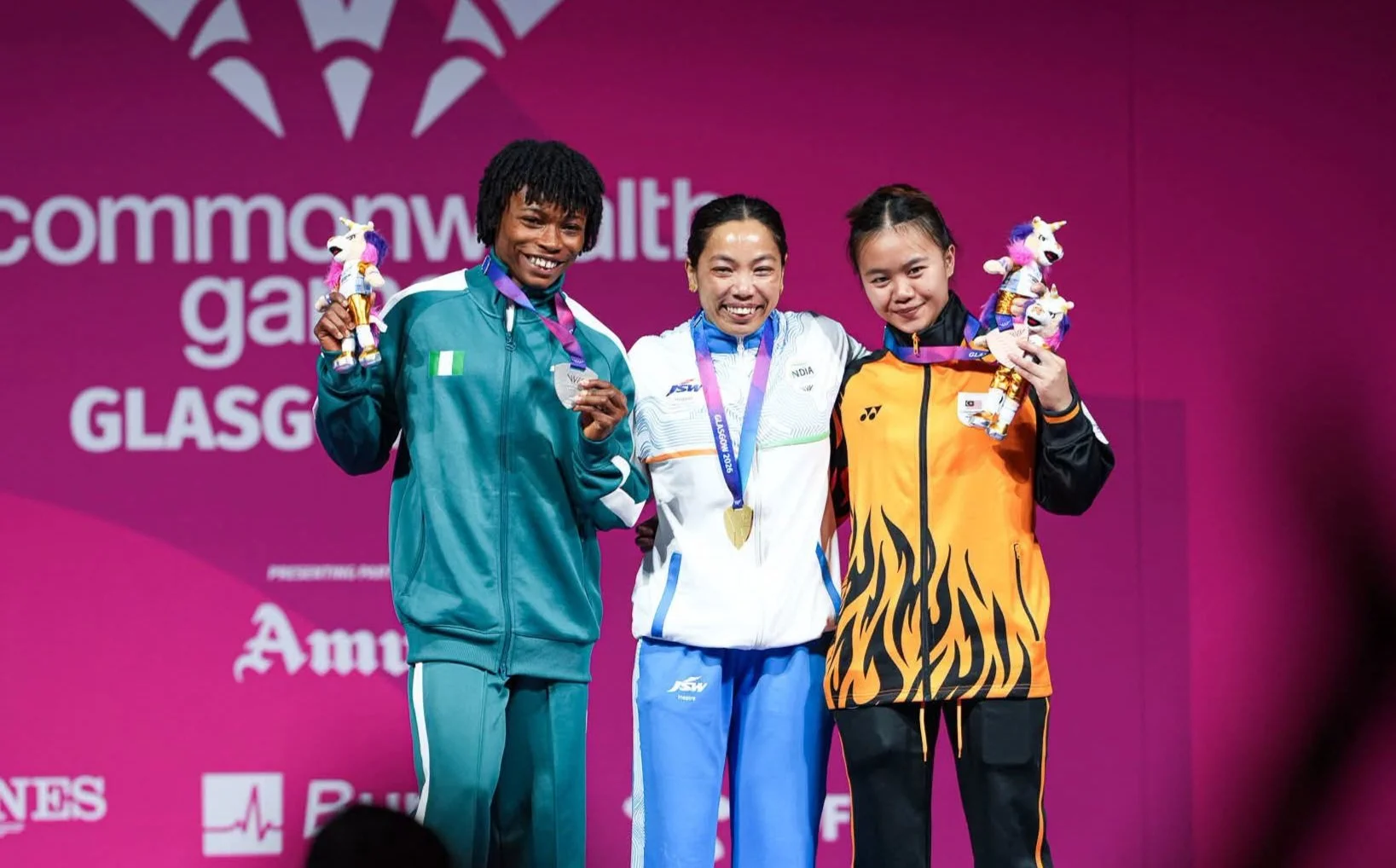
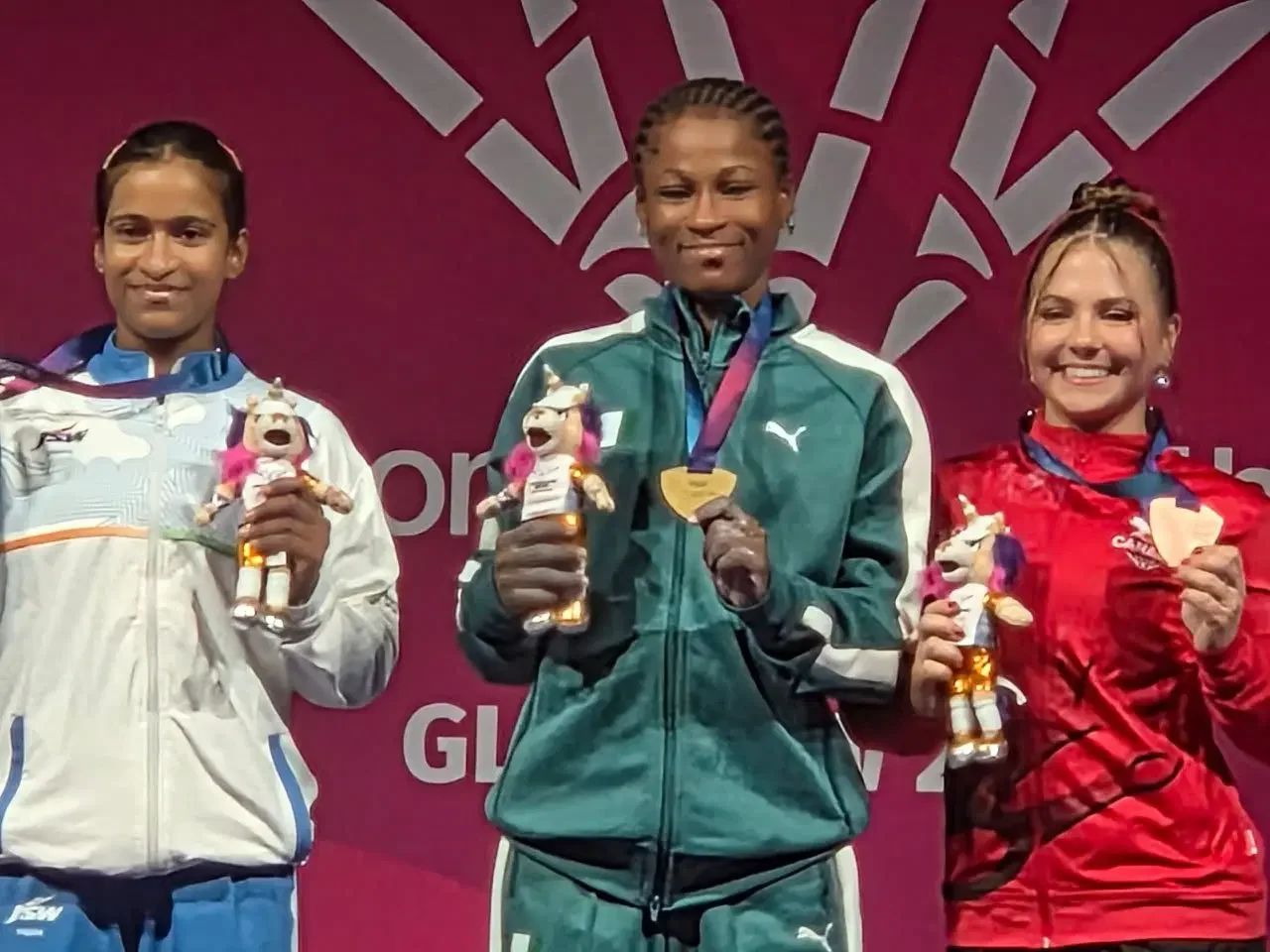
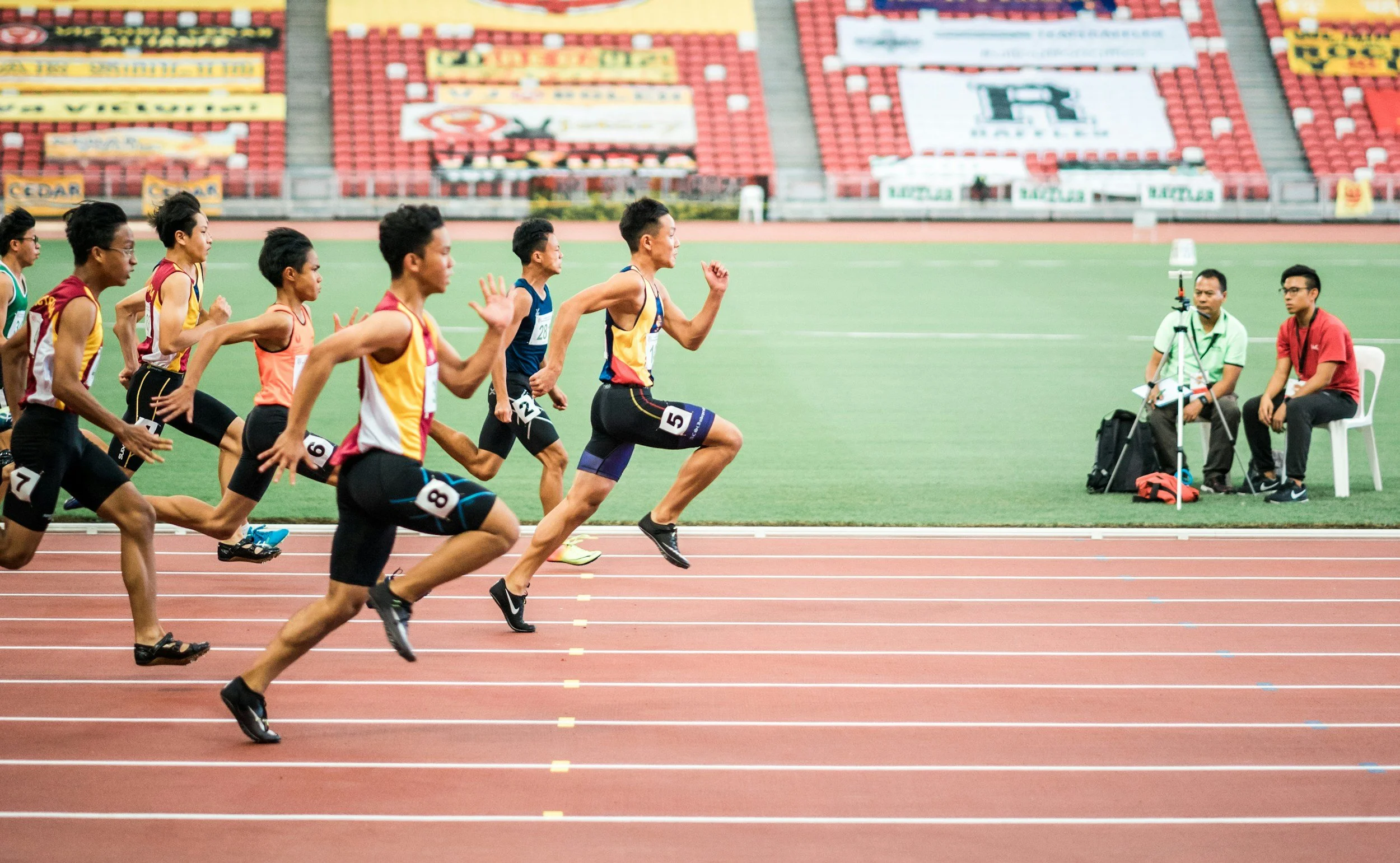
Between July 23 and August 2, at the Glasgow 2026 Commonwealth Games, Team Nigeria had what officials are calling the country's best-ever outing at the event — 10 gold, 7 silver, 7 bronze, and the best-performing African nation on the medal table, according to BellaNaija. That story deserves at least as much attention as the football gloom it's been buried under.
This is not a call to forget about football, or to pretend the World Cup misses didn't happen. It is an argument that Nigerian sport had a genuinely good year in 2026, and that football's very public grief has been allowed to speak for the whole country's sporting year when it should only be speaking for itself.
The Numbers Football Fans Skipped Past
Twenty-four medals is not a marginal haul, and ten of them were gold. Nigeria finished as the best-performing African nation at the Games — reports differ on the exact overall placing, with Guardian Nigeria putting the country sixth overall and other outlets citing seventh. Either way, Nigeria sat ahead of every other African nation that competed.
24 medals. 10 gold. Weightlifting, para powerlifting, athletics — not a football pitch in sight.
Officials didn't hedge about what it meant. Punch quoted officials describing it as the country's best-ever Commonwealth Games outing, full stop — not best in years, best ever. That is not a small thing to say about a country with as long a Commonwealth Games history as Nigeria's.
Where the Golds Actually Came From
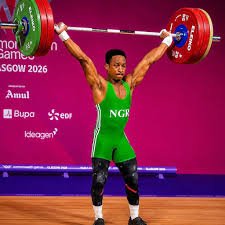
Weightlifting did the heavy lifting, literally: three golds, from Rafiatu Lawal in the women's 58kg, Onome Didih in the women's 53kg, and Edidiong Umuofia in the men's 71kg. That's a clean sweep of national anthems from one discipline alone.
Para powerlifting added one of the more remarkable individual stories of the Games. Folashade Oluwafemiayo retained her title in the women's heavyweight category — and broke her own world record doing it. Retaining a Commonwealth title is one achievement. Breaking your own world record while doing it is another level entirely.
The Comeback Nobody Scripted
Not every headline was about someone who made the podium as planned. Ese Brume, Nigeria's long jump star, withdrew from the Games through injury — the kind of loss that usually just becomes a footnote of misfortune. Her replacement, Ruth Usoro, won silver instead.
A withdrawal that could have been a straightforward blow to the medal table instead produced another medal. That is not the profile of a federation short on depth.
So Why Does Football Still Own the Narrative?
Here's the uncomfortable question worth asking directly: why does a football team missing a World Cup dominate the national sporting mood for months, while a genuinely historic multi-sport performance barely registers past the week it happened? Part of the answer is obvious — football is Nigeria's most popular sport by a wide margin, and the Super Eagles and Super Falcons carry a symbolic weight no weightlifter or para-powerlifter currently commands.
But popularity is not the same as performance, and 2026 is a year where the two have pulled in completely opposite directions. The sport everyone watches had a historic failure. Several sports almost nobody watches had a historic success. Both things are true about the same country in the same twelve months.
What Nigeria Actually Got Right in Glasgow
Look at where the medals came from and a pattern emerges: weightlifting, para powerlifting, athletics. These are not the sports that dominate Nigerian sponsorship conversations or back-page headlines. They are disciplines where Nigerian athletes, and the federations behind them, quietly did their jobs — qualified athletes, prepared them, and got them to Glasgow in shape to win.
That's worth saying plainly, because "Nigerian sports administration" has become shorthand this year for NFF election disputes and World Cup qualification post-mortems. Whatever went right in Glasgow happened somewhere else in the system, under different administrators, largely without the noise that follows football.
None of it required a change in leadership, a federation election or a public inquiry — just athletes and coaches doing preparation work away from the cameras, the unglamorous part of sport that never trends on its own.
None of these athletes needed a World Cup to have a historic year. Weightlifters, a para-powerlifting world record holder, a long jump squad deep enough to lose its headline name and still find a silver medallist — that is a sporting system working, even while the sport everyone watches was falling apart in public.
Nigerian football gets to keep mourning 2026 — it earned that right honestly. But the next time someone says it's been a bad year for Nigerian sport, point them to Glasgow: 24 medals, 10 of them gold, and a country's best-ever Commonwealth Games outing, delivered by athletes who did it without a single World Cup between them.