'We Only Kiss in Movies': Bolaji Ogunmola Answers the Question Nollywood Keeps Asking Her
It is a strange position for a working actress to keep finding herself in: defending a kiss that exists only inside a film, against an audience convinced it means something outside of one. Bolaji Ogunmola has addressed the speculation again this week, pushing back at online commentary over her on-screen romantic scenes with co-star Daniel Etim-Effiong.
"We only kiss in movies," she said, dismissing suggestions of an off-screen relationship — a rumour made more pointed by the fact that Etim-Effiong is married, per Leadership. It is not the first time she has had to say some version of that sentence in public.
The Case She's Making
Ogunmola's defence rests on a distinction that sounds obvious stated plainly, and yet keeps needing to be restated: acting is a craft that requires immersion in a role, including scenes a script calls for, whatever the actor's personal feelings about performing them. Intimate scenes serve the story being told, she argued, and sometimes contractual promotional obligations require actors to participate in the marketing built around those scenes as well — a detail that complicates the idea that an actress can simply opt out of the conversation once filming wraps.
She also pushed back on the broader assumption underneath the speculation: that what happens on screen must, in some way, reflect something real happening between the performers. What appears in the finished film, she maintains, does not reflect the actors' real-life relationships or feelings toward each other.
Why This Particular Pairing Keeps Generating Noise
Ogunmola and Etim-Effiong have built a recognisable on-screen partnership across several Nollywood romance and drama productions, the kind of repeated pairing that studios lean on specifically because audiences respond to the chemistry. That same chemistry, though, is exactly what fuels the recurring speculation — a byproduct of the pairing working too well on screen for some viewers to fully separate from the actors' real lives.
It is a familiar bind across film industries generally: the more convincing two actors are together in a role, the more an audience segment tends to assume something real is being hidden behind it. Nollywood's increasingly online, comment-driven fan culture has only sharpened that tendency, giving every clip from a romantic scene the potential to circulate for days, stripped of its surrounding context in the film itself.
A Pattern, Not a One-Off
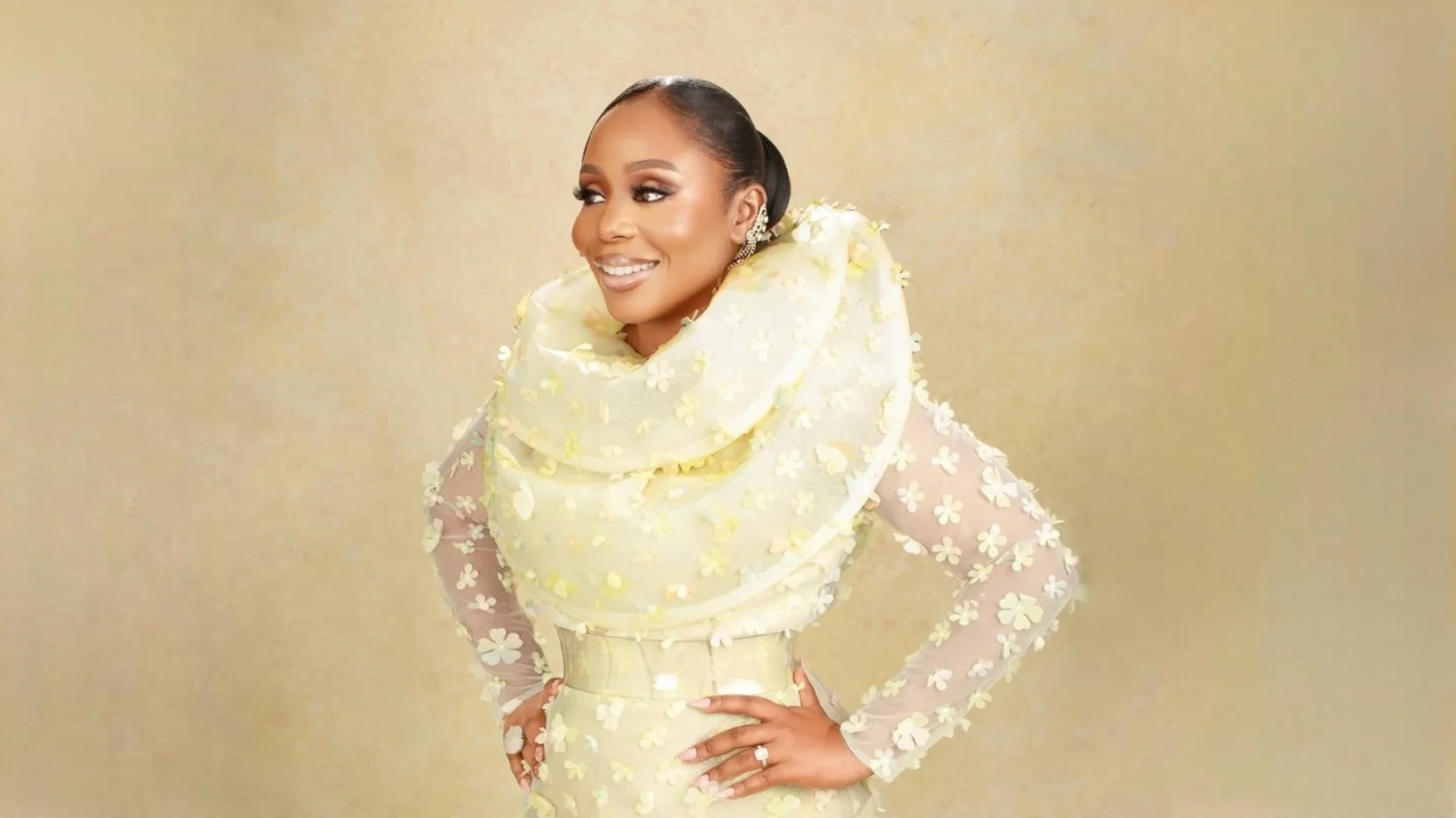
"We only kiss in movies," Bolaji Ogunmola said, addressing renewed public speculation about her on-screen chemistry with co-star Daniel Etim-Effiong, who is married.
This is not new territory for Ogunmola. Similar backlash has followed her before over on-screen scenes with Etim-Effiong, and The Guardian previously reported that she had considered quitting social media altogether after an earlier round of the same criticism. That she is fielding a recognisably similar wave of commentary again now suggests the issue is less about any single film and more about a recurring public discomfort with screen intimacy involving actors who are, in real life, married to other people.
It is a discomfort that, fairly or not, tends to land disproportionately on the actress rather than her male co-star in these situations — a pattern visible across Nollywood's celebrity press coverage well beyond this specific case.
Where It Started for Her
Ogunmola has spoken previously about facing typecasting earlier in her Nollywood career, describing being pushed toward "side chick" roles before she was able to broaden the kinds of parts she was offered. That history gives her current defence of romantic and intimate scenes an added layer: for an actress who had to fight against being reduced to a narrow category of role early on, the current backlash risks repeating a version of the same reduction — being defined by a scene rather than by the range of work surrounding it.
It is a tension that many Nollywood actresses navigate quietly, without their specific case becoming a recurring press story. Ogunmola's has, largely because of the particular visibility of her scenes with Etim-Effiong and the attention his marital status brings to the coverage.
The Bigger Conversation Underneath
Nollywood, like most film industries, has never fully settled the public's relationship with on-screen intimacy — how much of it is normal craft, how much of it invites real scrutiny, and where the line between the two actually sits. Ogunmola's repeated need to publicly clarify the difference, using nearly identical language each time, suggests the industry and its audience are still some distance from a shared understanding.
For now, her position is consistent: the work is the work, the story requires what it requires, and the people living their real lives outside the frame are not the characters they play inside it. Whether that argument settles the conversation this time, or simply pauses it until her next romantic role, is not really up to her to decide.
What Actually Changes for Her Career
Practically, none of this appears to have slowed Ogunmola's workload. She remains one of the more visible working actresses in Nollywood's current commercial output, with new titles continuing to reach cinemas and streaming platforms under her name through this year. The controversy cycle, however uncomfortable, has not translated into the kind of career cost that similar backlash has occasionally imposed on other actors in other industries — a sign, perhaps, that Nollywood's audience, however loud its commentary gets in the moment, ultimately separates its opinion of an actress's personal life from its appetite for her work.
That distinction may be the most useful thing to take from this entire cycle: the noise is real, the scrutiny is exhausting by her own account, but it has not, so far, cost her the career she is defending it in service of.