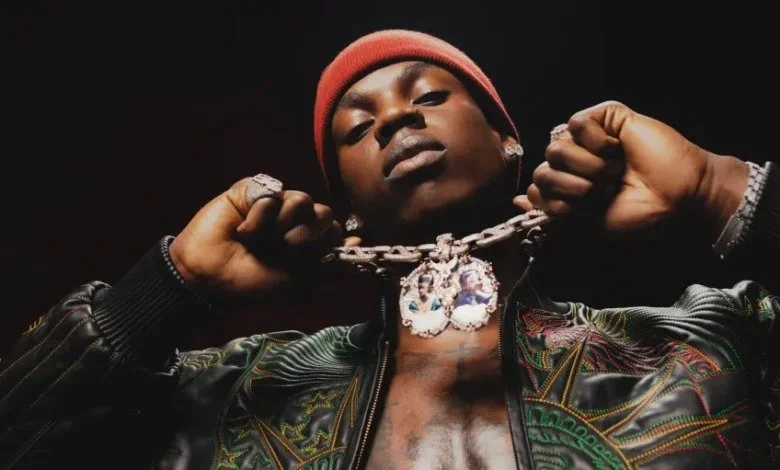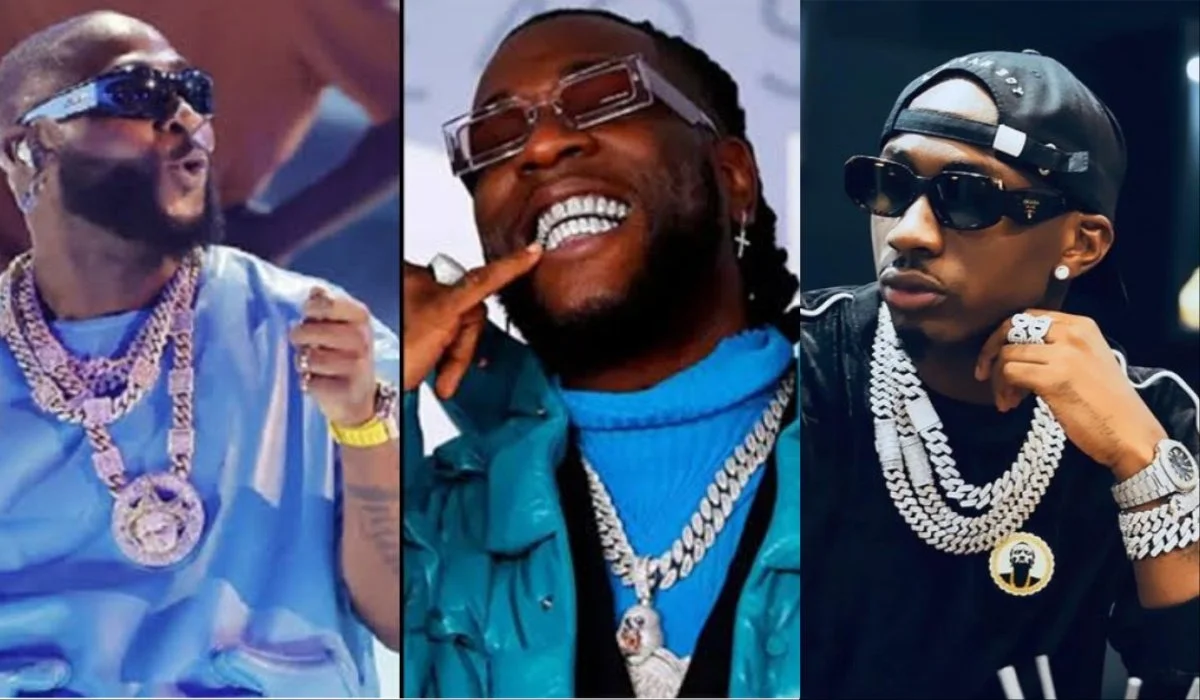
Four Nigerians Are On The FIFA World Cup 2026 Album
Rema, Davido, Burna Boy and Ayra Starr all feature on the official album for a tournament Nigeria did not qualify for. That combination is the whole story of Afrobeats right now.
Rema, Davido, Burna Boy and Ayra Starr are all on the official FIFA World Cup 2026 album, flying the Nigerian flag at a tournament the Super Eagles will not be playing in.
That sentence contains everything you need to know about the current position of Nigerian music relative to Nigerian institutions.
The soft power arithmetic
A World Cup album is one of the most valuable pieces of global cultural real estate that exists. It is heard by an audience measured in billions across a month, in territories that have no other regular exposure to the artists involved.
Four Nigerians on it, without the country qualifying, means the music has achieved a level of international standing that does not depend on any Nigerian institution performing well. The artists got there on their own.
What it does not translate into
Money that stays in Nigeria, mostly.
The artists are paid. But the infrastructure that captures the value of a global music moment, the publishing administration, the collection societies, the master ownership, the sync agencies, is overwhelmingly located outside the country. A Nigerian song generating enormous international revenue routes most of that revenue through non-Nigerian entities.
This is the recurring, unglamorous story underneath every Afrobeats success headline. The cultural export is spectacular. The economic capture is poor.
The four names
The selection is also interesting on its own terms. Burna Boy and Davido represent the established global tier. Rema represents the streaming-native generation whose reach was built on platforms rather than radio. Ayra Starr is the youngest and the only woman, arriving at a World Cup album two studio records into her career.
That spread suggests whoever assembled the tracklist has a reasonably current understanding of Nigerian music, which has not always been true of international projects reaching for an African sound.
Sources: Legit.ng; OloriSuperGal; Music In Africa.
Nigeria spends money on international image. Delegations, summits, campaigns, agencies. It is very difficult to identify anything that programme has achieved which is remotely comparable to what four musicians have done for the country's global standing in a decade.
Afrobeats has changed how Nigeria is perceived by young people across Europe, the Americas and much of Asia, from a country associated primarily with negative headlines to one associated with a sound people actively seek out. No government campaign has ever come close.
And the state's contribution to this has been essentially nil. No meaningful export funding, no serious copyright infrastructure, no collection framework that reliably returns international royalties, no touring support, no visa advocacy for artists who are routinely refused entry to the markets that stream them most.
The artists did it themselves, and the country gets the benefit for free.
A sensible state would treat this as strategic infrastructure and fund it accordingly. Nigeria treats it as a nice thing that happens to be occurring, and then wonders why the money stays abroad.