The Street-Pop Generation Is Now The Main Event
Seyi Vibez, Mavo and LeoStayTrill are producing some of the most-played records in Nigeria. The sound that mainstream Afrobeats spent years ignoring has become its centre.
For most of the last decade, Nigerian street-pop occupied a specific position in the national music conversation: enormously popular, commercially significant, and treated by the mainstream industry as a feeder category rather than a destination.
That framing has stopped being tenable. 2026 has delivered chart records from Nigeria's biggest stars alongside a new generation of street-pop breakout acts including Seyi Vibez, Mavo and LeoStayTrill.
What street-pop actually is
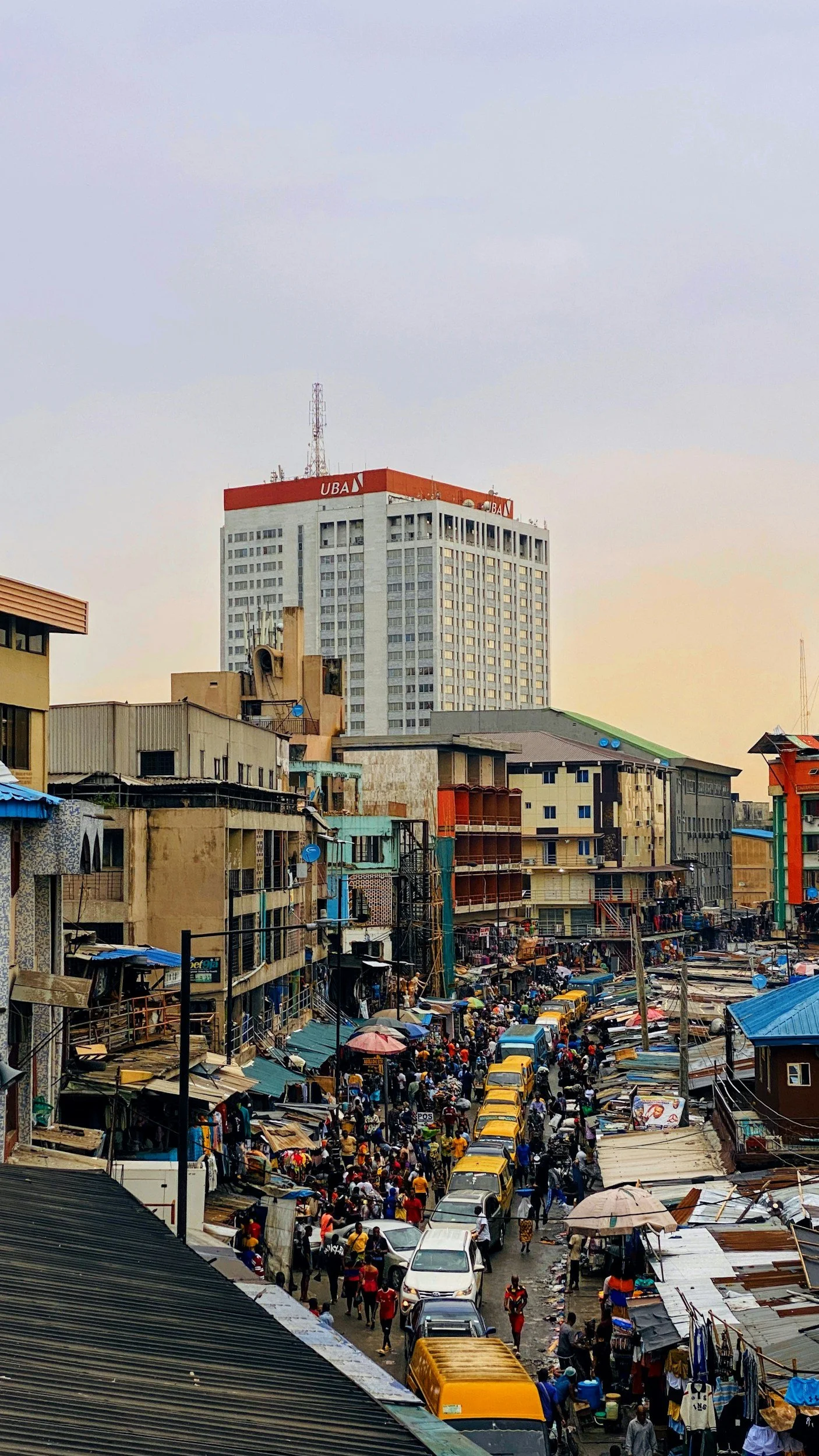
It is the descendant of a lineage running through Ajegunle music, konto, shaku shaku and zanku: music made in and for working-class Lagos and its equivalents, with production built on cheap tools, vocals delivered in a dense mix of Yoruba, pidgin and coded slang, and subject matter concerned with money, survival, faith and status.
It has always outsold what the industry considered its premium product, in the informal economy where most Nigerian music consumption has historically happened.
Why the mainstream had to move
Streaming made the numbers visible.
When consumption ran through CD sales in Alaba, radio rotation and club play, the industry could tell itself a story about which acts mattered based on which acts it was promoting. Once every play became a measurable data point, the story stopped holding, because street-pop acts were generating volumes that made a lot of well-funded mainstream campaigns look modest.
You cannot argue with a play count in front of a brand partner.
The collaboration flow has reversed
The clearest evidence is in who features on whom. Where street acts once sought verses from established stars to gain legitimacy, established stars now seek street features to gain currency and rhythmic credibility.
A collaboration between LeoStayTrill and Shoday with a chant-heavy hook has become a favourite for short-form video trends, which is now among the most valuable distribution channels in existence.
That is what a genuine shift in power looks like: not an argument won, but a change in who calls whom.
Sources: Music In Africa; Tooxclusive; Afrobeats Magazine.
There is a flattering story the Nigerian music industry tells about street-pop's rise, in which enlightened executives recognised the talent bubbling up from the streets and gave it a platform.
That is not what happened. What happened is that streaming made consumption legible, and the data embarrassed everybody.
For years the industry allocated attention and money according to a hierarchy that reflected class and language far more than popularity. Music made in dense Yoruba and pidgin, by artists from areas with no industry connections, was categorised as local and regional. Music made in English with international production was categorised as the serious business.
Then the play counts arrived and it turned out the country had been listening to the other thing the whole time.
The lesson is not really about music. It is about how easily an industry can mistake its own preferences for its audience's, and how long that mistake can persist when nobody is measuring properly.
Which is worth remembering, because the next sound the industry is currently ignoring is already out there and already outperforming what it is funding.