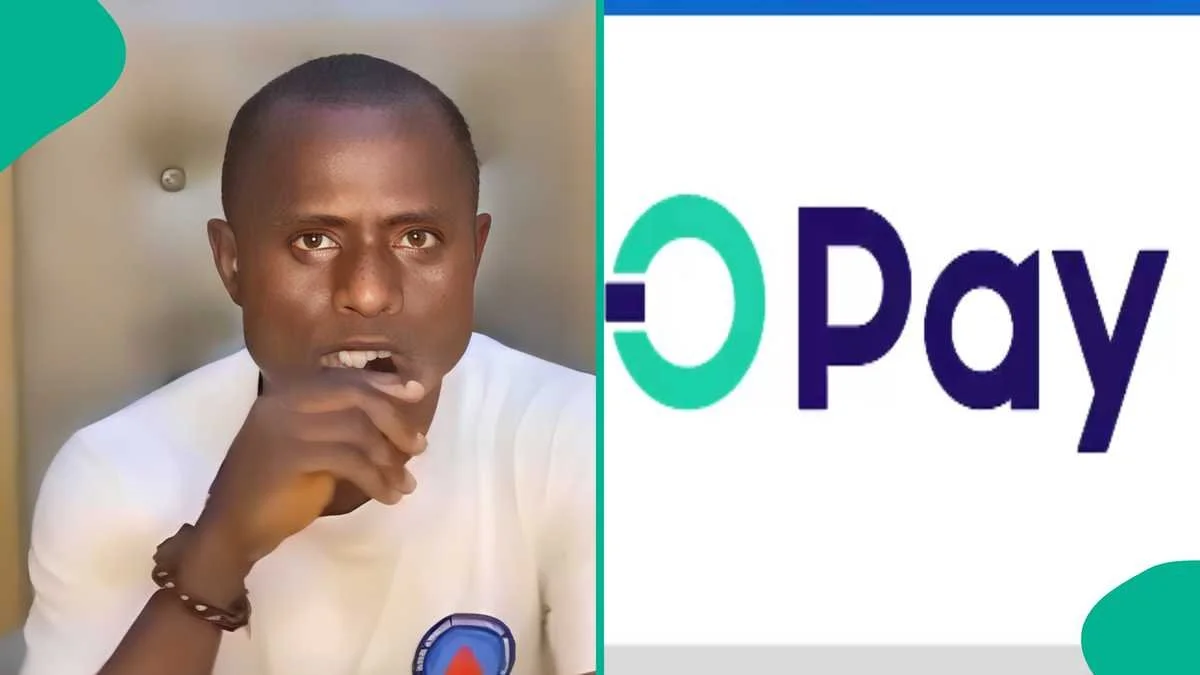
Prophet Apologizes After Claiming OPAY Would Crash — When “Prophecy” Meets Accountability
A self-acclaimed Nigerian prophet, Aliyu Barnabas, has publicly apologized to OPAY, the leading fintech company, after making a prophecy that the online banking platform would soon crash.
The controversial claim, which quickly went viral, stirred tension among OPAY users and investors — prompting the company to threaten legal action against him for spreading false and damaging information.
In a video shared online, the prophet withdrew his statement, saying he never intended to harm anyone’s business but was only sharing what he believed was a divine message.
He said:
“As una know, I did prophecy concerning OPAY. I no get intention to spoil any person business. I’m sorry if that prophecy spoil any person business. I no just purpose to prophecy, na wetin God send me to do. I’m sorry, that prophecy is withdrawn in Jesus name. Let love lead.”
His apology, however, didn’t stop the flood of reactions from Nigerians online — many of whom accused him of using “prophecies” for clout rather than spiritual guidance.
One user, King, wrote:
“Had it been it actually happened, he would have been termed the anointed one from God. That’s how they deceive people in the name of prophecy.”
Another user, Israel Usolor, added:
“Why are you prophesying that an important institution should fail? Do you know the consequences of such prophecy?”
Others echoed the sentiment, calling for more responsibility among religious figures who use social media to spread fear under the guise of revelation.

Opinion:
In a country where millions rely on OPAY for daily transactions, words carry weight — especially when they come from someone claiming divine authority. Prophet Barnabas’ prophecy wasn’t just “harmless talk”; it had the potential to cause panic, disrupt trust, and even affect livelihoods.
This incident serves as a wake-up call about how easily misinformation can spread when cloaked in spirituality. Faith leaders must remember that prophecy isn’t a performance — it’s a sacred duty that requires discernment, timing, and truth.
At the same time, OPAY’s swift reaction shows how modern companies are no longer taking reputational risks lightly. Their stance reflects a new era of accountability, where digital speech — even “prophetic” speech — has real-world consequences.
While it’s commendable that Prophet Barnabas apologized, this episode should spark reflection within Nigeria’s growing circle of online prophets:
If every word truly comes from God, then why do so many “prophecies” end in backpedaling and public apologies?
Sometimes, silence speaks louder than false visions.