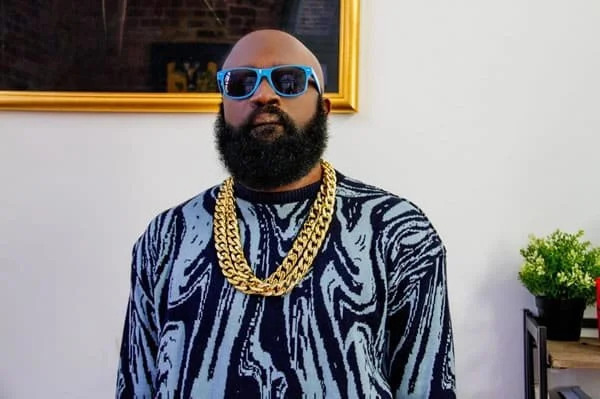
Sean Dampte Urges Empathy in Discussions About Regina Daniels’ Marital Issues
Afrobeats star Sean Dampte has called for maturity and compassion in conversations about celebrities’ private lives, using the high-profile marriage of Regina Daniels and Senator Ned Nwoko as an example.
Speaking amid widespread online commentary, Dampte emphasized that social media should not be a platform for turning personal struggles into entertainment.
“Marriage is a journey that doesn’t play out on Instagram timelines or Twitter threads,” he said.
“For every story people think they understand, there are layers they do not see. Regina is a young woman with a lot of spotlight on her. The situation requires empathy and measured conversations, not mockery.”
The “Dem Go Dance” singer noted that today’s online culture often capitalizes on gossip and controversy at the expense of human compassion.
“We live in a time where people want to trend off other people’s pain,” he said. “But at the end of the day, these are human beings. Real emotions, real family, real consequences.”
Dampte also urged fellow entertainers and influencers to exercise emotional intelligence when commenting on sensitive issues.
“As entertainers, we need to be careful about how we contribute to sensitive conversations,” he added. “Let them handle what they need to handle personally. Not everything is for public entertainment. Social media is a loud place, but peace is quiet. Sometimes the best support is silence and prayer.”

Opinion: Dampte’s Call for Compassion Highlights a Needed Shift in Online Culture
Sean Dampte’s remarks are a timely reminder that empathy should guide social media discourse, especially around personal and marital matters of public figures. In an era where viral trends often prioritize shock value over human dignity, his caution underscores the real-life impact of online commentary.
This perspective is particularly relevant for high-profile celebrities like Regina Daniels, whose private life is constantly under scrutiny. Dampte’s insistence on measured conversations reminds audiences that celebrity lives involve real emotions, families, and consequences, and that excessive gossip or ridicule can exacerbate their struggles.
Ultimately, his advice is a call for responsible engagement online: a push to prioritize empathy over virality, understanding over mockery, and reflection over reaction. For public figures navigating the relentless spotlight, such restraint is not just courteous—it is necessary for preserving dignity and mental health.