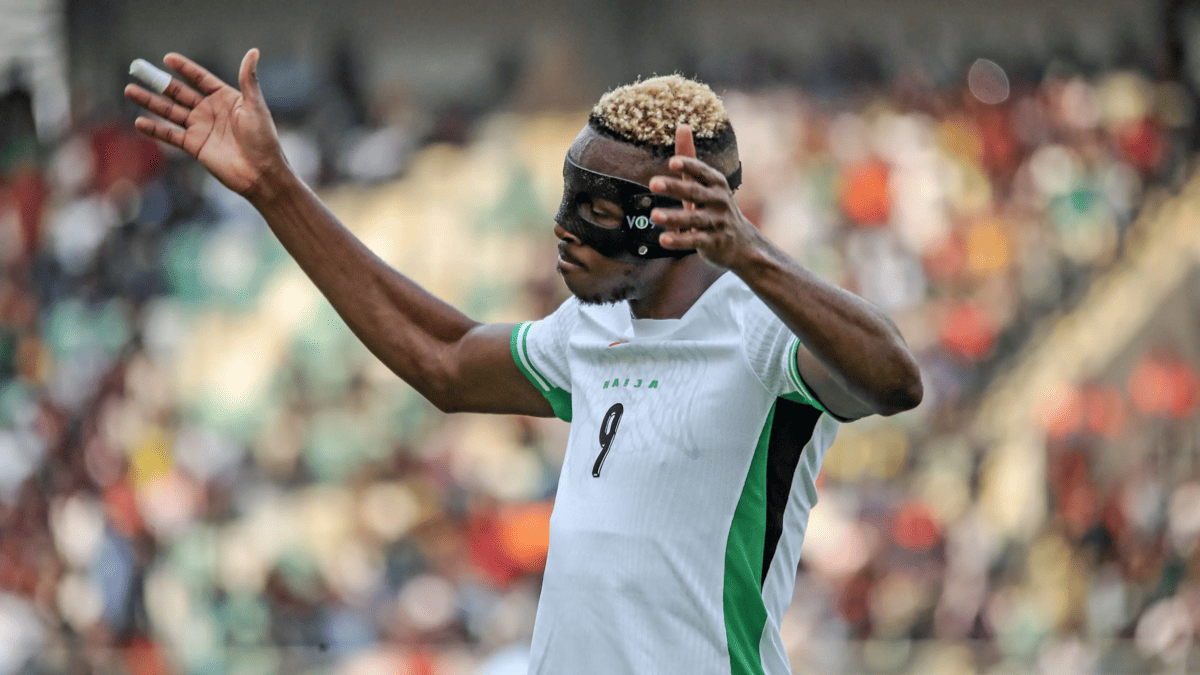
DR Congo Defender Sadiki Admits Osimhen’s Injury Gave Them Advantage Against Super Eagles
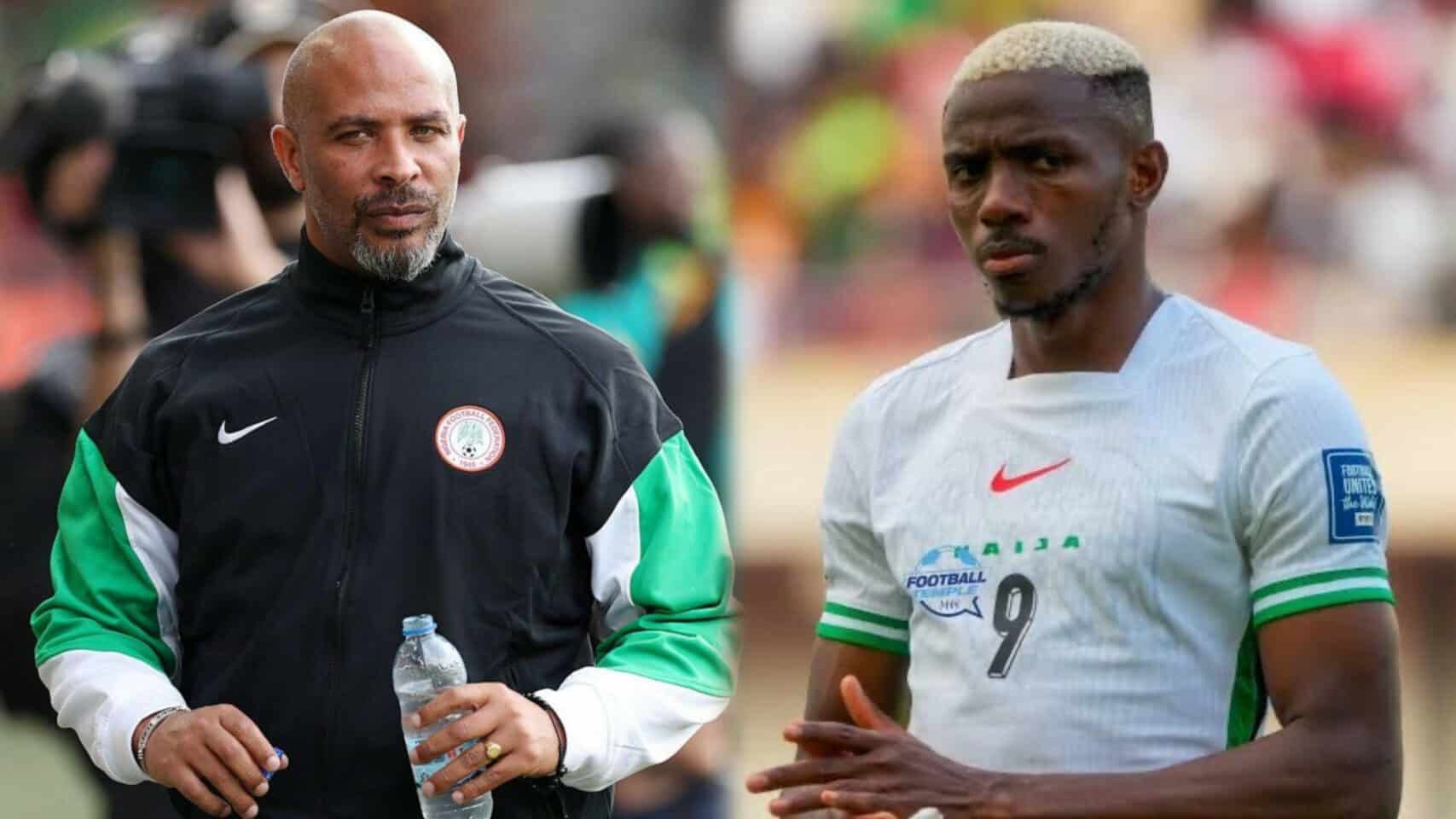
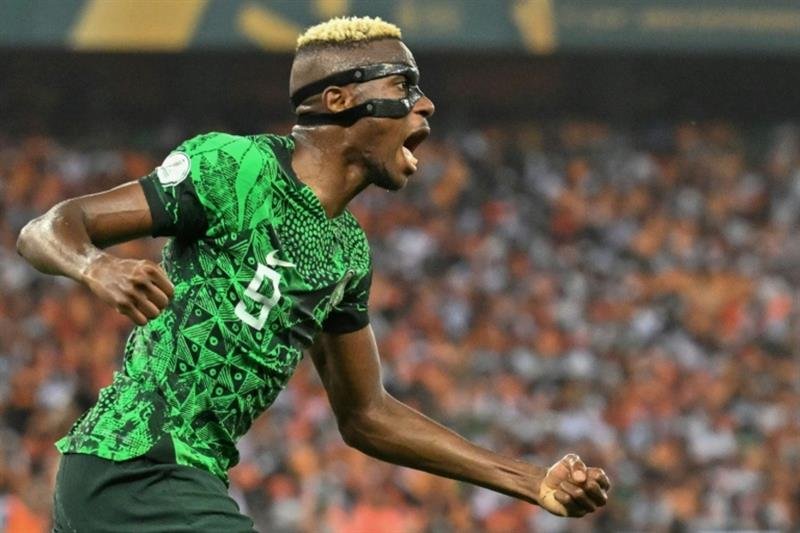
DR Congo defender Noah Sadiki has openly admitted that the injury suffered by Nigerian striker Victor Osimhen gave his team a significant advantage during Sunday’s dramatic World Cup qualifying playoff final in Morocco.
Osimhen, who had been a constant threat during Nigeria’s earlier matches, was forced off at halftime and replaced by Akor Adams. With the Super Eagles losing their most dangerous forward, the Leopards saw an opportunity—and they took it.
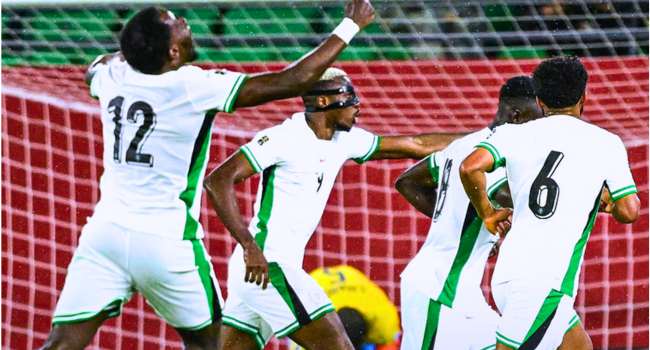
The tense encounter ended 1-1 after 120 minutes, with Frank Onyeka scoring for Nigeria and Mechak Elia equalizing for DR Congo. The Leopards eventually sealed their spot in the 2026 intercontinental playoffs with a 4-3 win on penalties.
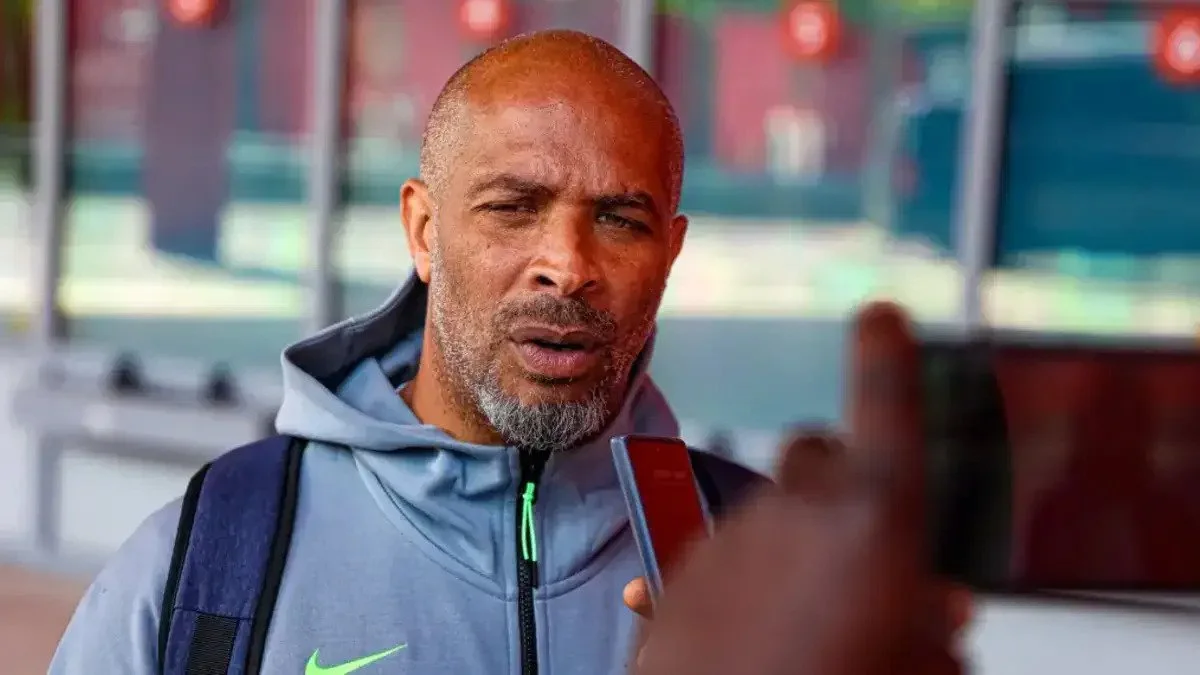
Speaking after the match, Sadiki—who currently plies his trade with Sunderland—did not hide the truth:
“It helps [Osimhen’s injury]. We know Osimhen is a big player. They have other qualities in front,”
he told reporters.“We knew he was their star player, and if he was out, it would be a bit easier, and we practiced penalties.”
His honesty underscores what many fans noticed: Nigeria’s rhythm changed drastically without Osimhen’s presence.

Opinion: Osimhen’s Exit Exposed Nigeria’s Overdependence — and DR Congo’s Smartness
Sadiki’s statement might sting Nigerian fans, but it highlights a deeper issue facing the Super Eagles:
an unhealthy over-reliance on Victor Osimhen.
Football is a team sport, yet Nigeria’s play often collapses when their talisman is unavailable. A nation with such attacking talent should not fall apart because one superstar steps off the pitch.
Osimhen is exceptional—world-class, fearless, and explosive—but a great national team must have multiple match-winners. DR Congo understood this, and their game plan reflected discipline, organization, and preparation. They:
identified Nigeria’s biggest threat
neutralized him through circumstance
increased their confidence
perfected their penalty routine
Sadiki’s comments also show something Nigeria lacked: ruthless clarity.
DR Congo didn’t pretend. They didn’t apologize. They saw an advantage and capitalized on it—exactly what winning teams do on the continent and around the world.
Meanwhile, Nigeria struggled to adapt without Osimhen, revealing:
poor attacking coordination
lack of tactical depth
no backup structure when star players are missing
If the Super Eagles want to return to the global stage, they must build a system—not a dependence. A football powerhouse succeeds because everyone can rise when one player falls.
DR Congo taught Nigeria a hard lesson:
football rewards preparation, not reputation.
And until the Super Eagles internalize that, heartbreaks like this will continue.