TG Omori Raises Alarm Over Alleged Death Threats After His Comment on Same-Sex Relationships
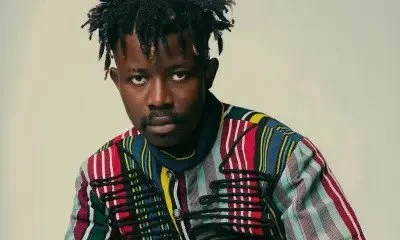
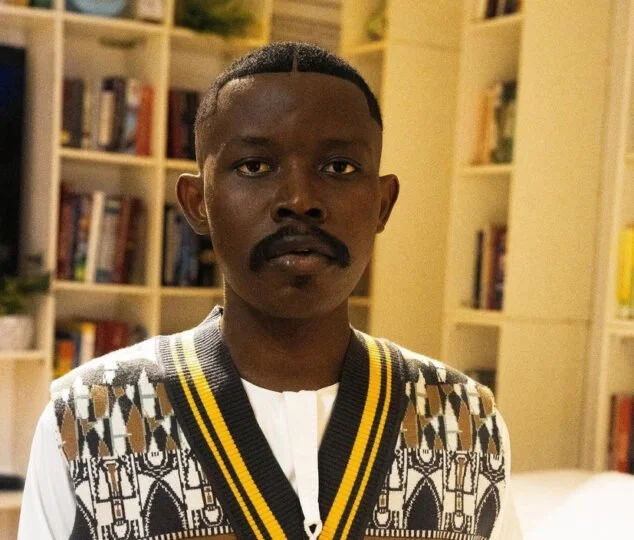
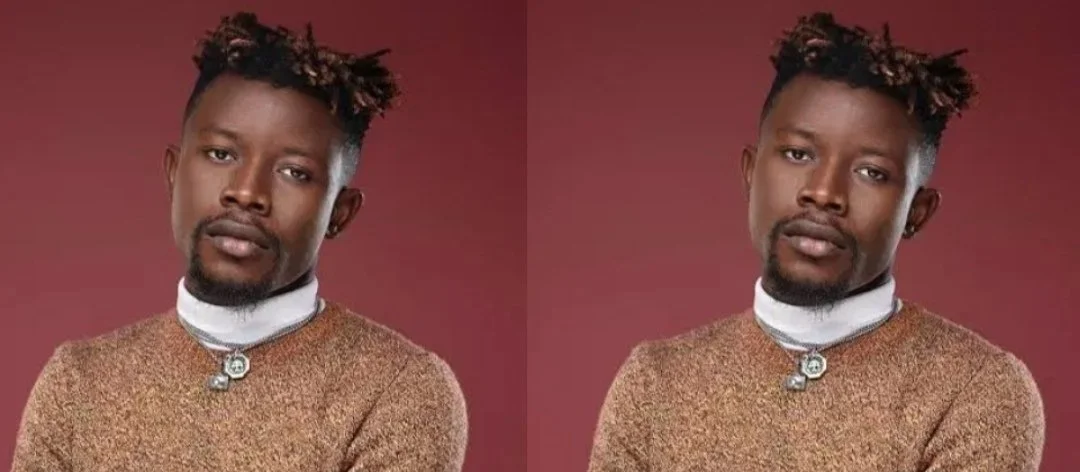
Popular Nigerian music video director, ThankGod Omori, widely known as TG Omori, has claimed that he is facing threats to his life after expressing his personal stance on same-sex relationships—an online controversy that has dominated social media discussions since the weekend.
Omori sparked heated reactions after he posted on X, stating:
“Having same gender s*x is evil.”
The comment, which many considered insensitive and inflammatory, quickly went viral, drawing backlash from supporters of LGBTQ+ communities, human rights advocates, and neutral observers who felt his position was harshly worded.
TG Omori Claims Media Attempted to “Set Him Up”
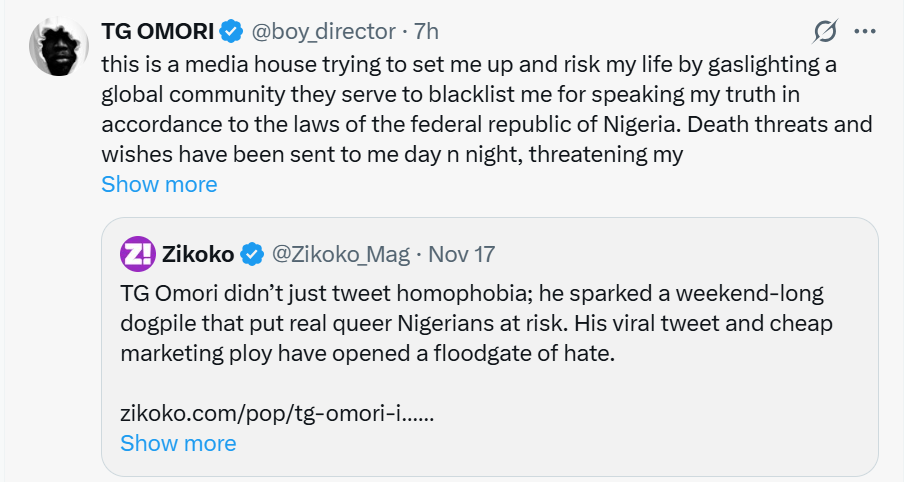
In a new post on Monday, TG Omori alleged that he has been receiving death threats following an article published by Zikoko Magazine, a digital media platform known for youth-centered storytelling.
According to him, the publication’s framing of his comment has painted him in a harmful light, leaving him targeted by a “global community.”
He wrote:
“This is a media house trying to set me up and risk my life by gaslighting a global community they serve to blacklist me for speaking my truth in accordance to the laws of the Federal Republic of Nigeria.”
“De@th threats and wishes have been sent to me day n night, threatening my safety n security as a citizen, since after this article was published by @Zikoko_Mag.”
He also quoted the magazine’s post, suggesting the platform misrepresented his intention and intensified the backlash against him.
Zikoko Magazine is yet to officially respond to his allegations.
Opinion: A Reminder That Public Voices Carry Heavy Consequences in a Digital Age
TG Omori’s situation is a complicated reflection of the world we currently live in—where personal opinions, once whispered privately, now echo through millions of screens within minutes.
While Omori’s statement may align with certain cultural and legal beliefs in Nigeria, the language and tone were bound to spark controversy in an age where conversations about sexuality are global, sensitive, and emotionally charged. Words now travel farther than ever, and public figures carry a heavier responsibility.
However, the response he claims to be receiving—death threats—is unacceptable, regardless of anyone’s stance. Digital disagreement should not escalate into threats to human life. Online spaces must allow debate without degenerating into hatred or violence.
This episode also raises an important question about media responsibility. If a publication amplifies a controversial take in a way that feels provocative or slanted, it can fuel tension instead of fostering understanding. The media holds the power to shape narratives, and with that power must come fairness and balance.
A Need for Balance in Public Conversations
This incident highlights two critical truths:
Public figures must communicate with care, especially on sensitive issues that transcend borders.
The public must learn to disagree without dehumanizing those with opposing views.
In the end, Nigeria’s cultural, religious, and legal positions on same-sex relationships are deeply rooted—but the global digital community operates differently. When these worlds collide online, friction becomes almost inevitable.
TG Omori’s claim of threats should be taken seriously. Disagreement should spark dialogue, not danger.