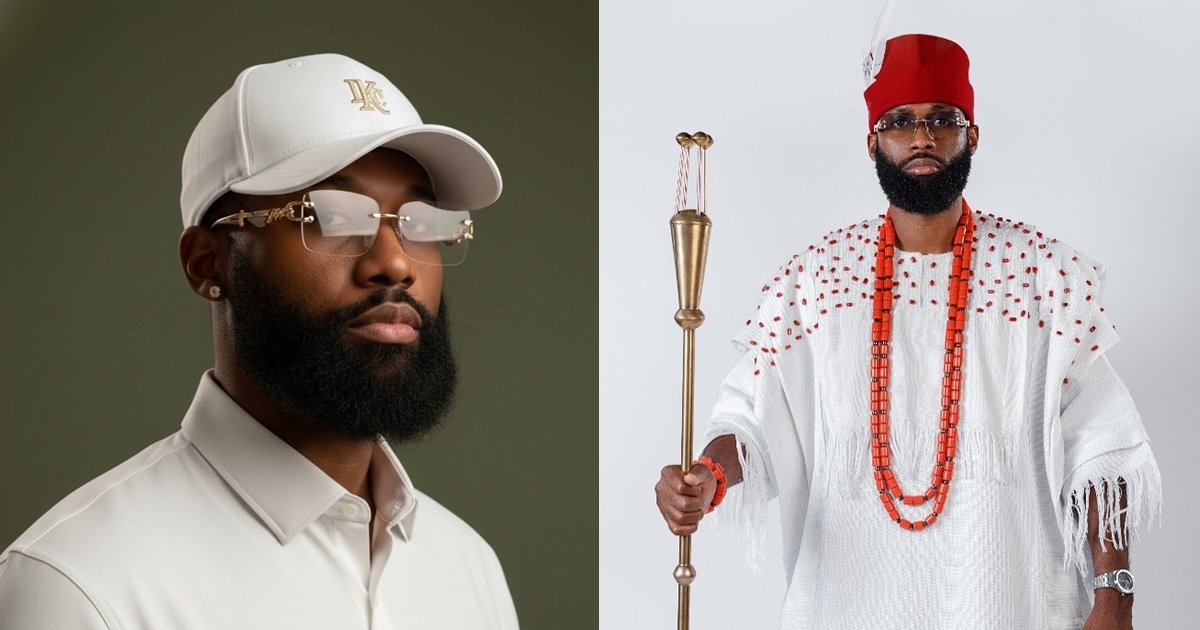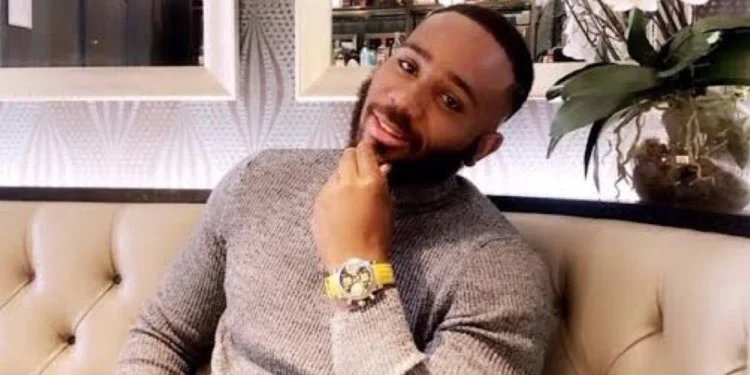
Kiddwaya Criticises Nigerians for Idolising Politicians, Sparks Heated Online Debate
Former Big Brother Naija housemate Kiddwaya has sparked conversations on social media after calling out Nigerians for publicly praising politicians while failing to hold them accountable for bad governance.
In a candid post on 𝕏, the reality TV star expressed frustration over what he described as a culture of hypocrisy, where citizens “hail and beg” politicians in person but return online only to complain when decisions negatively affect everyone.
He wrote:
"You keyboard idiots will be worshipping politicians. Praising their bad behaviour. Hailing and begging when you see them, not bold enough to do anything when they make bad decisions that affect all of us, yet the only power you have is to come online and cry like a bitch. Why don’t you grow some balls and start holding them accountable. The only thing most of you can do is insult people like me and make stupid jokes. The joke is on you."
Kiddwaya’s post drew mixed reactions from netizens. Some agreed with his point, noting that many Nigerians attack celebrities and pastors online but continue to praise politicians in public, only to return to social media to vent when governance fails.
Others challenged him, questioning his own involvement in political accountability and pointing out that his father has connections in politics, suggesting that Nigerians often rely on external influence rather than taking direct action themselves.

Opinion: Kiddwaya’s Call Is a Wake-Up for Nigerians to Stop Being Passive Observers
Kiddwaya’s statement is provocative, but it touches on a real problem: the gap between public perception and civic action. Too often, citizens are quick to idolise politicians during events, parades, or social gatherings, yet remain passive when those same leaders make harmful or unpopular decisions.
His frustration highlights a deeper truth: real accountability requires courage and action, not just online commentary. Social media complaints, hashtags, and jokes are fleeting; tangible change comes when citizens actively engage, question, vote responsibly, and demand transparency.
At the same time, his post reminds us that celebrity commentary can provoke meaningful reflection. By holding a mirror to society’s inconsistencies, Kiddwaya is encouraging Nigerians to stop being passive observers and start recognising the power of their voices.
If more people acted on the principle he highlights — engaging directly with governance, attending town halls, reporting corruption, and demanding accountability — social media outrage would no longer be the only response to failed leadership.
In essence, Kiddwaya is urging a shift from performative outrage to practical activism, a challenge that, if taken seriously, could help reshape civic responsibility in Nigeria.