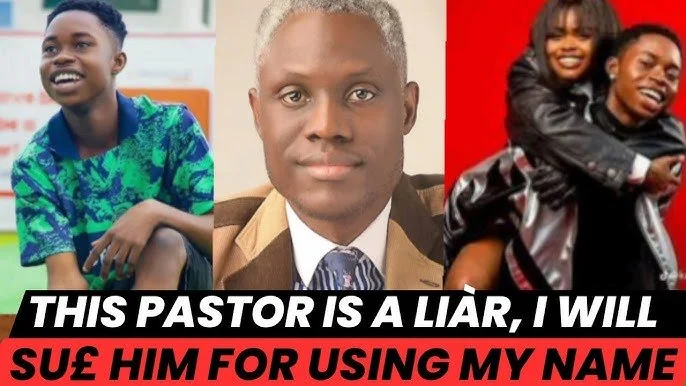
TikTok Star Jarvis Threatens Legal Action Against Peller Over Money Laundering Allegations
The ongoing tension between Nigerian TikTok sensations Jarvis and Peller has taken a legal turn as Jarvis, through her management Aiso Entertainment, has issued a 48-hour ultimatum to Peller to retract alleged defamatory statements linking her to money laundering.
The controversy began after Peller, during a recent livestream, claimed that money laundering activities were being conducted through TikTok’s gifting system — a feature that allows fans to send monetary gifts to creators. He further hinted that Jarvis might be involved, sharing an experience where a supporter once proposed splitting proceeds from gifts, a move he described as a “common disguise for illicit funds.”
Although the two creators appeared to have made peace shortly after through friendly interactions online, the issue reignited when Jarvis’s management released a strongly worded statement on Sunday, condemning the allegations as false, damaging, and defamatory.
“She has never engaged in any form of illicit financial conduct,” the statement read.
“We hereby demand that Peller and his management issue an immediate, unconditional, and publicly disseminated apology to Jadrolita and her team.”
The management further warned that failure to comply would lead to legal action to safeguard Jarvis’s reputation.

💭 Opinion: When Clout Crosses the Line — The Cost of Loose Talk in the Social Media Age
The Jarvis–Peller saga isn’t just another online spat — it’s a sharp reminder of how words can carry real-world consequences in the age of social media fame.
While TikTok thrives on entertainment and spontaneity, creators often blur the line between content and controversy, chasing views without considering the reputational harm that unfounded claims can cause. In Nigeria’s digital scene, where influencers are quickly becoming as recognizable as mainstream celebrities, credibility has become currency — and losing it can be more damaging than losing followers.
If Peller’s remarks were made without evidence, then Jarvis’s legal threat is not only justified but necessary. Public allegations of criminal activity, especially involving money laundering, are too serious to be treated as “content.”
Still, this episode also sheds light on a deeper issue: the growing lack of accountability among digital creators who wield massive influence without media ethics training.
At its core, this isn’t just about Jarvis or Peller — it’s about responsibility in the influencer era. As the line between entertainment and defamation continues to blur, one thing remains clear: in the court of public opinion, clout can be fleeting, but reputation lasts forever.