Trump’s New Visa Restrictions Could Hit Nigerian Fans Ahead of 2026 World Cup
Nigerians planning to travel to the United States for the 2026 FIFA World Cup may now face fresh hurdles following new visa restrictions signed by former U.S. President Donald Trump.
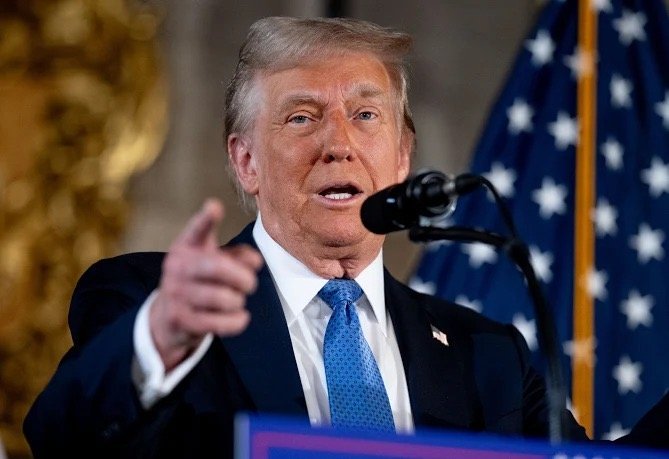
On Tuesday, Trump signed a proclamation imposing tighter entry rules on countries classified as high-risk due to what the U.S. government described as “persistent and severe deficiencies in screening, vetting, and information-sharing” that could threaten national security and public safety.
Nigeria is among 15 additional countries placed under partial restrictions. As a result, the issuance of both immigrant and non-immigrant visas in categories B-1, B-2, B-1/B-2 (business and tourism), as well as F, M, and J visas (largely student and exchange programmes), has been suspended for Nigerian applicants.
In addition, officials at the U.S. Embassy have reportedly been instructed to reduce the validity period of other non-immigrant visas already issued to Nigerians. One of the key reasons cited for the move is the high rate of visa overstays by some Nigerian visitors to the United States.
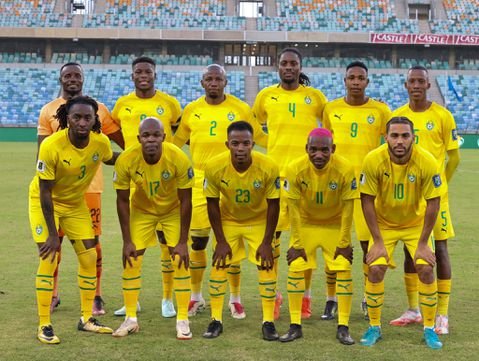
The development comes at a sensitive time, as Nigeria’s football hopes are still flickering. The Super Eagles could yet feature at the 2026 World Cup if their appeal to FIFA—challenging the eligibility of certain DR Congo players used during the qualifiers—is upheld.
Opinion: Football Dreams Meet Political Reality
While the World Cup is meant to unite nations through sport, this decision highlights how global politics can quickly spill into football dreams. For many Nigerian fans, attending a World Cup—especially one hosted across the U.S., Canada, and Mexico—is a once-in-a-lifetime ambition. These restrictions threaten to shut the door on that experience, even before qualification matters are resolved on the pitch.
At the same time, the policy raises uncomfortable questions. Blanket restrictions, driven partly by the actions of a few who overstay visas, risk punishing thousands of genuine travelers—students, tourists, and football lovers alike. It reinforces the need for Nigeria to strengthen travel compliance and international trust, while also reminding citizens of the long-term consequences of visa abuse.
If the Super Eagles do make it to the World Cup, the irony would be hard to ignore: a nation cheering from home not by choice, but by policy. For now, Nigerian fans are left hoping not just for FIFA’s verdict, but also for diplomacy and fairness to prevail—because football, at its best, should build bridges, not borders.