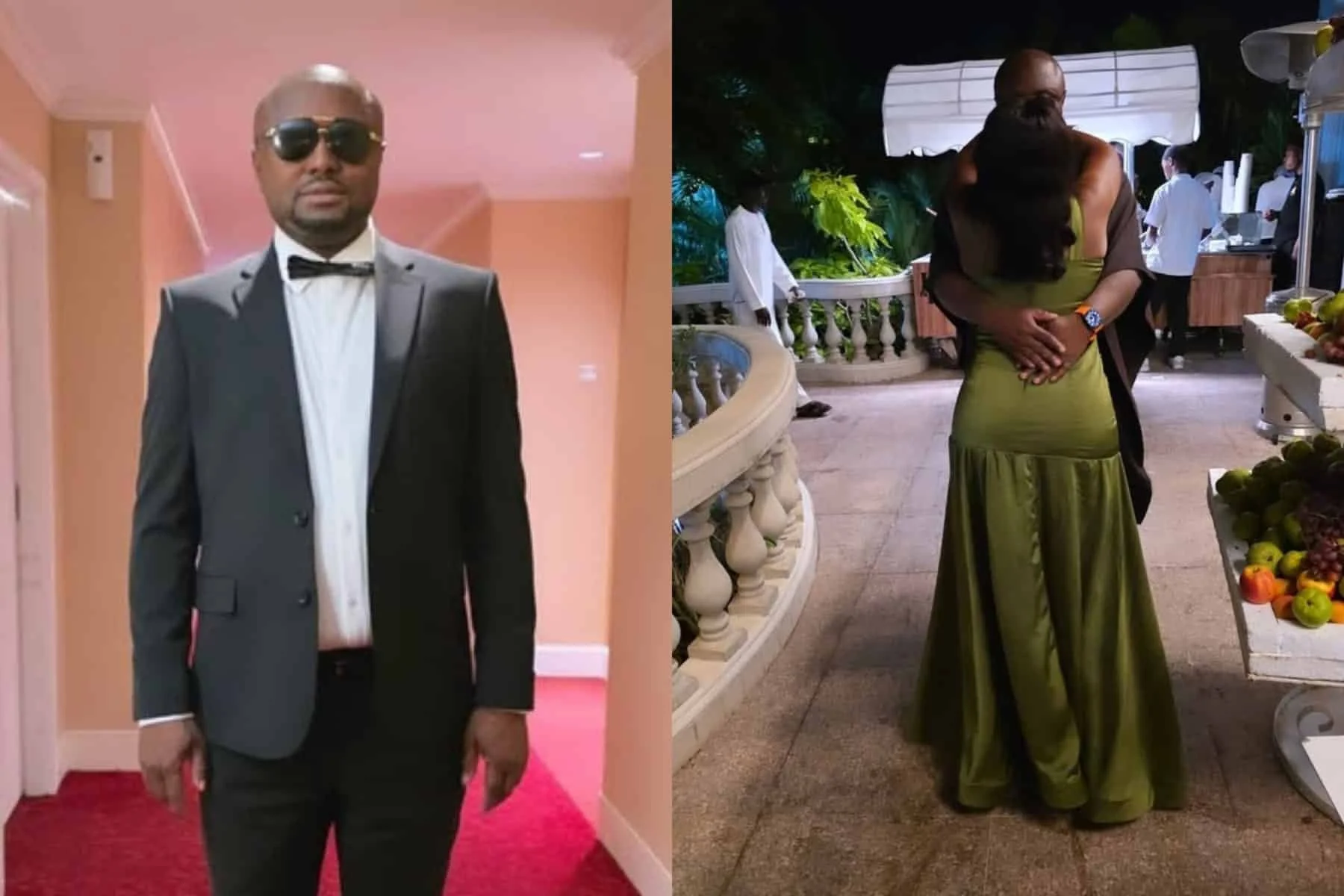
Doris Ogala Reacts to Pastor Chris Okafor’s Wedding, Raises Fresh Allegations
Nollywood actress Doris Ogala has reacted strongly to the recent wedding of popular cleric Pastor Chris Okafor, insisting that the public celebration does not reflect what she claims is the true story behind the union.
In a fresh outburst on social media following reports of the wedding, Doris alleged that the marriage was forced and surrounded by circumstances far more troubling than what has been made public. According to her claims, the bride was allegedly assaulted, became pregnant, and the marriage was arranged to prevent public scandal.
She further alleged that the bride’s mother, whom she described as the church’s choir coordinator, insisted on the marriage to protect the church’s image and avoid controversy. Doris also claimed that Pastor Chris was allegedly planning to marry another woman on the 24th, adding that she possesses chats and videos which she says support her version of events.
Describing the situation as “darker than it appears,” Doris maintained that her decision to speak out was intentional, despite the backlash it may attract. She said her revelations form part of what she described as a personal and spiritual reckoning, adding that she felt compelled to expose what she believes has been deliberately hidden from the public.

Opinion: Allegations That Demand Caution, Not Conclusions
Doris Ogala’s latest claims have once again thrown social media into debate, highlighting the growing tension between public perception and private realities surrounding high-profile religious figures. However, while her allegations are serious and emotionally charged, they remain unproven and should be treated with caution.
In situations like this, public opinion can quickly turn into judgment without facts being established. Allegations of this nature require proper investigation by the appropriate authorities rather than trial by social media. At the same time, her willingness to speak—regardless of motive—underscores a wider conversation about accountability, power dynamics, and transparency within religious institutions.
Ultimately, truth thrives on evidence, not outrage. Until the claims are independently verified, it is only fair that all parties involved are given the opportunity to respond, while the public exercises restraint and empathy in navigating such sensitive matters.