AFCON to Hold Every Four Years from 2028 as CAF Unveils Major Calendar Shift
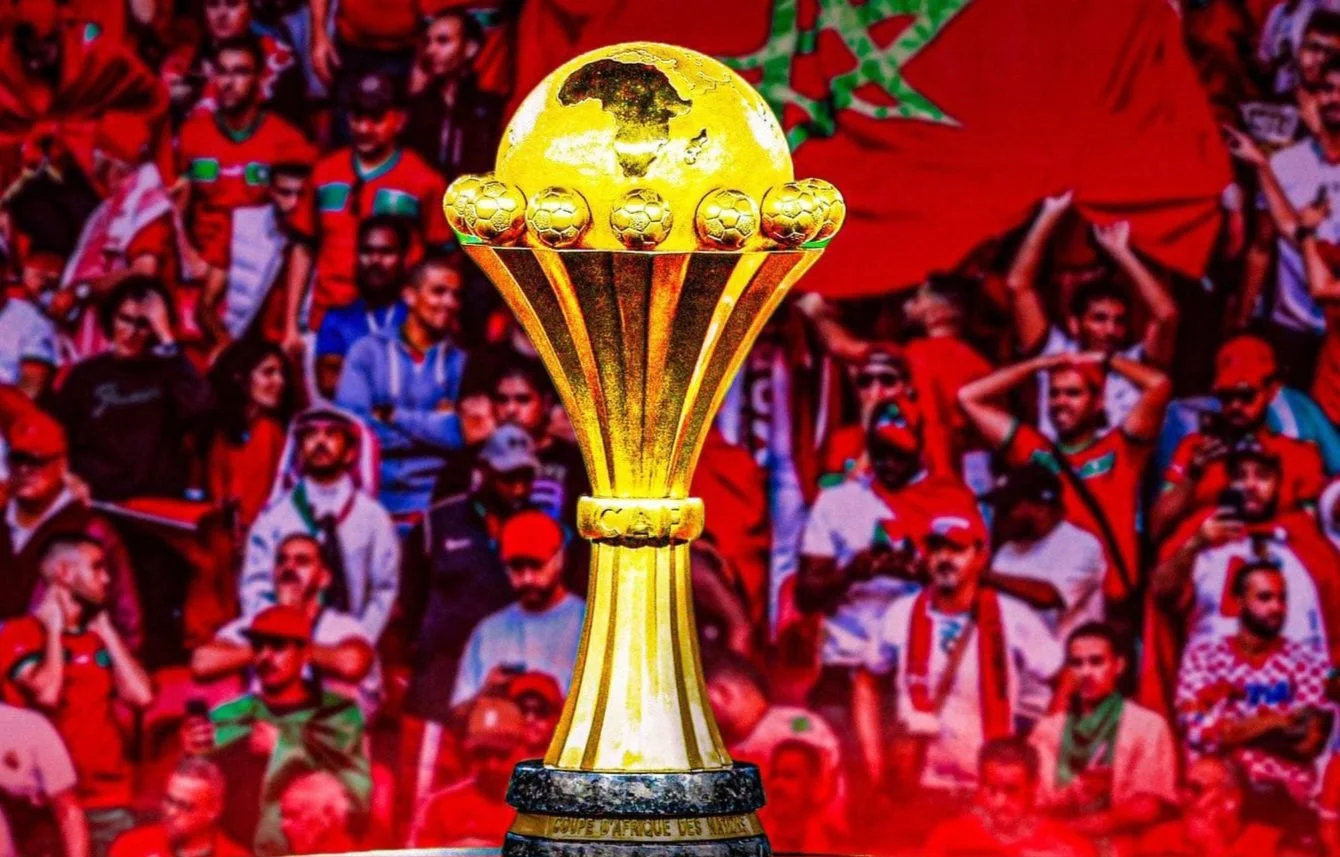
The Africa Cup of Nations (AFCON) will officially move from a biennial tournament to a four-year cycle starting from 2028, the Confederation of African Football (CAF) has announced.
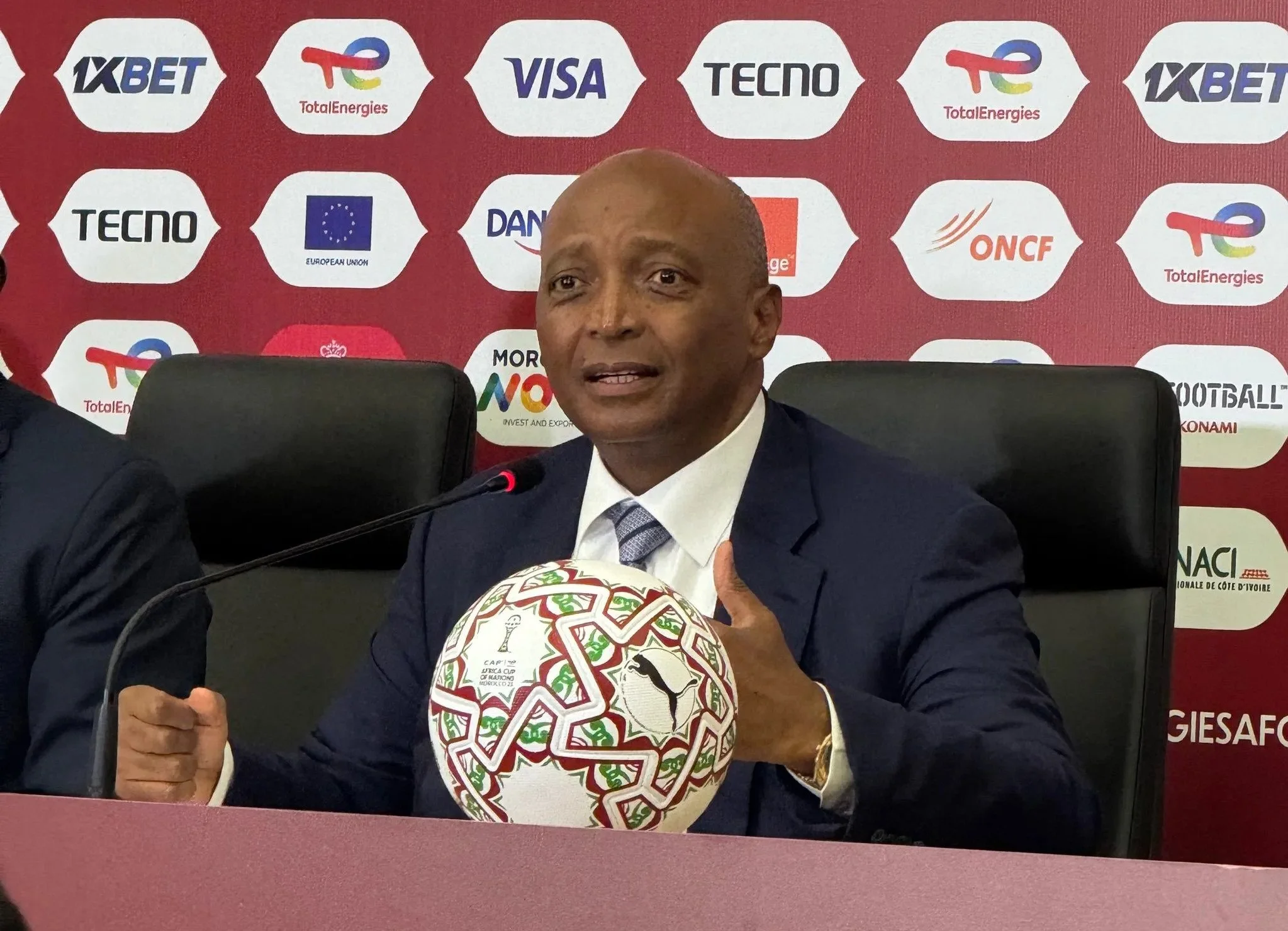
CAF President, Patrice Motsepe, revealed the decision on Saturday, marking one of the most significant structural changes in the competition’s history. Since 1968, AFCON has traditionally been staged every two years, with the only major deviation being the one-year gap between the 2012 and 2013 editions.
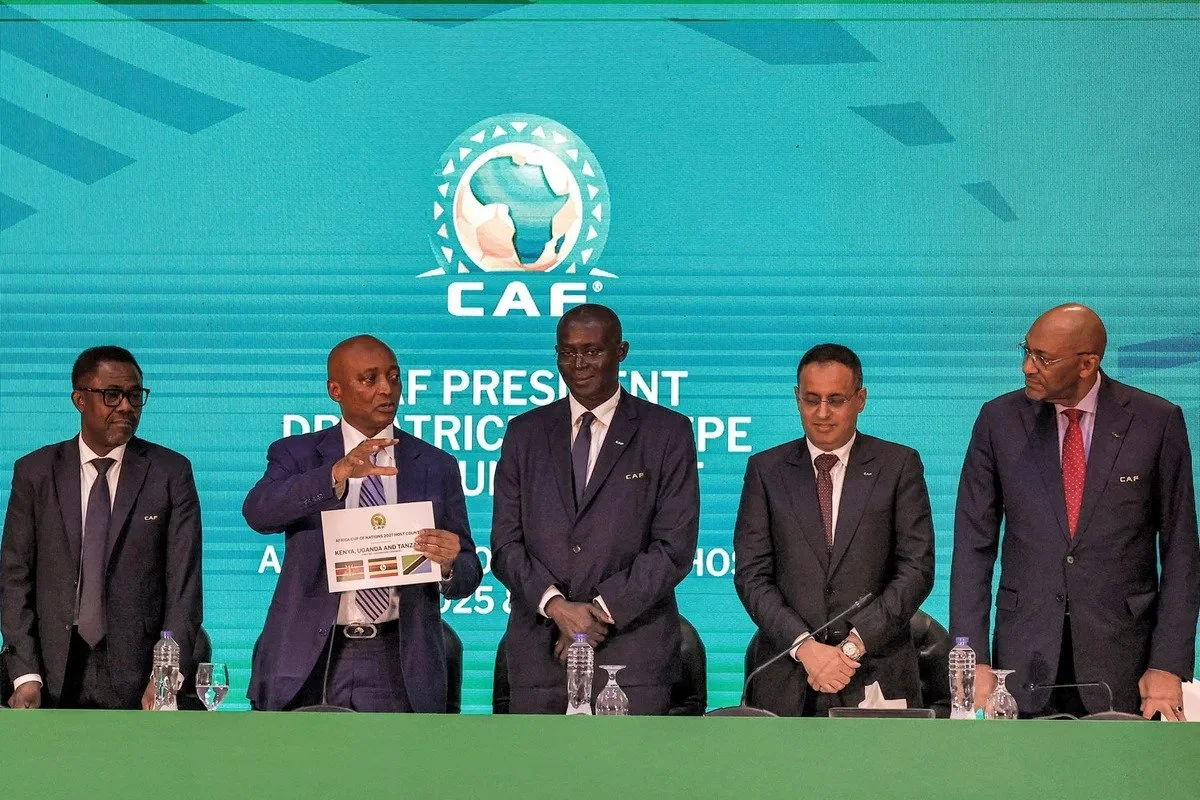
Under the new arrangement, AFCON 2027, to be hosted jointly by East African nations, will be followed by the next edition in 2028. After that, the tournament will fully transition to a four-year cycle.
“We have the most exciting new structure for African football,” Motsepe said.
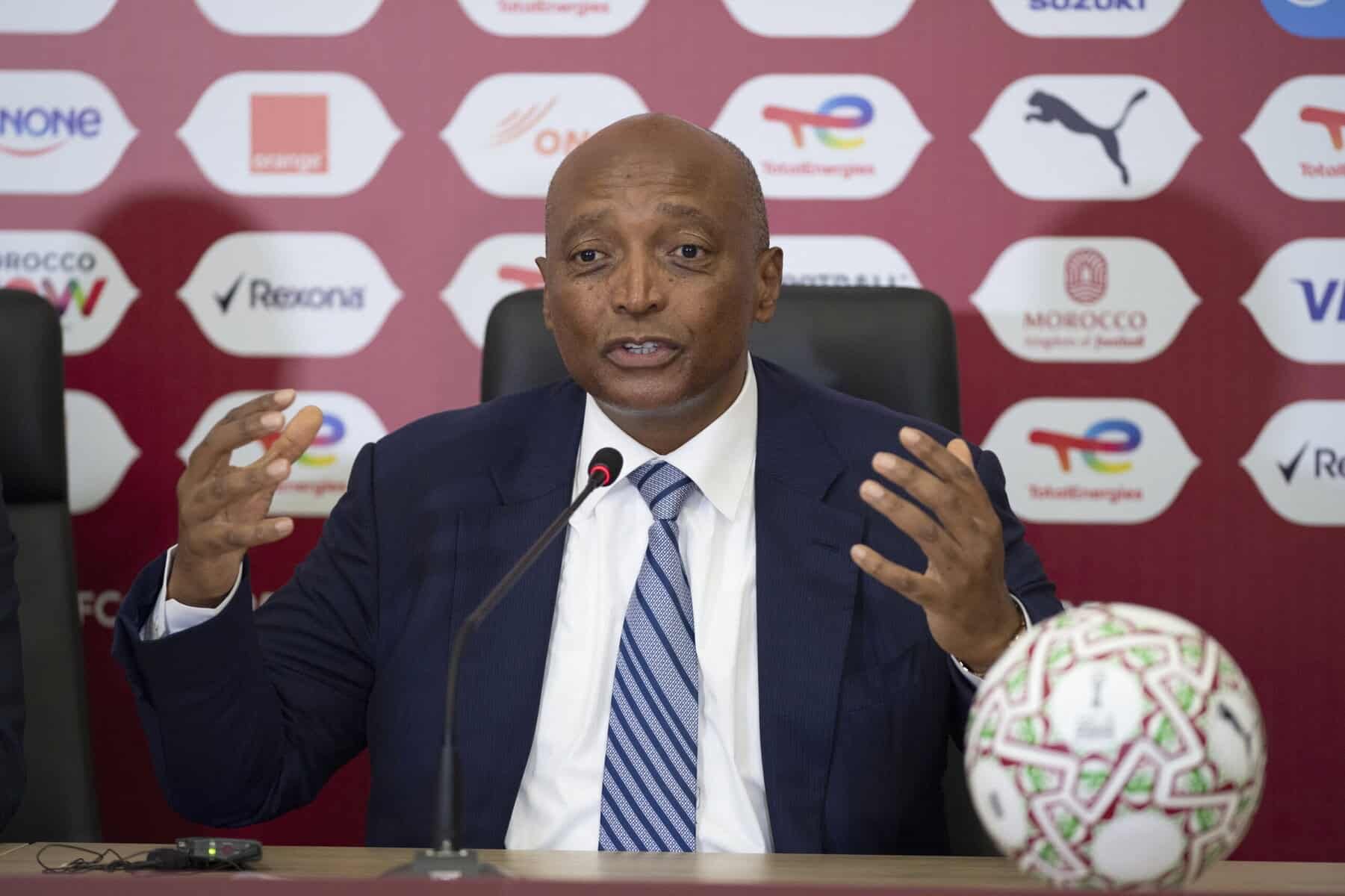
“I do what is in the interests of Africa. The global calendar has to be significantly more synchronised and harmonised.”
What This Means for African Football
This decision is widely seen as CAF’s response to long-standing concerns about fixture congestion and the frequent clashes between AFCON and Europe’s domestic football calendar. African players, especially those plying their trade in Europe, have often been caught in the middle—missing club matches, facing pressure from managers, and sometimes being unfairly judged for prioritising national duty.
A four-year cycle brings AFCON closer in structure to major global tournaments like the FIFA World Cup and the UEFA European Championship, potentially increasing its prestige and commercial appeal. Fewer tournaments could also mean better preparation, higher-quality pitches, improved organisation, and stronger storytelling around rivalries and champions.
Opinion: Quality Over Frequency?
While some fans may miss the excitement of AFCON every two years, this shift could ultimately benefit African football. Scarcity often increases value, and a four-year wait may heighten anticipation and global attention. It also gives host nations more time to prepare infrastructure and logistics, reducing last-minute rushes that have plagued past editions.
However, CAF must ensure that the longer gap does not weaken grassroots engagement or momentum across the continent. Domestic competitions, youth tournaments, and qualifiers will need to be strengthened to keep African football vibrant between AFCON cycles.
If managed well, this bold move could mark the beginning of a new era—one where AFCON is not just frequent, but flawless, fiercely competitive, and globally respected.