Arne Slot Says Liverpool Must Blame Themselves After 3–3 Draw at Leeds
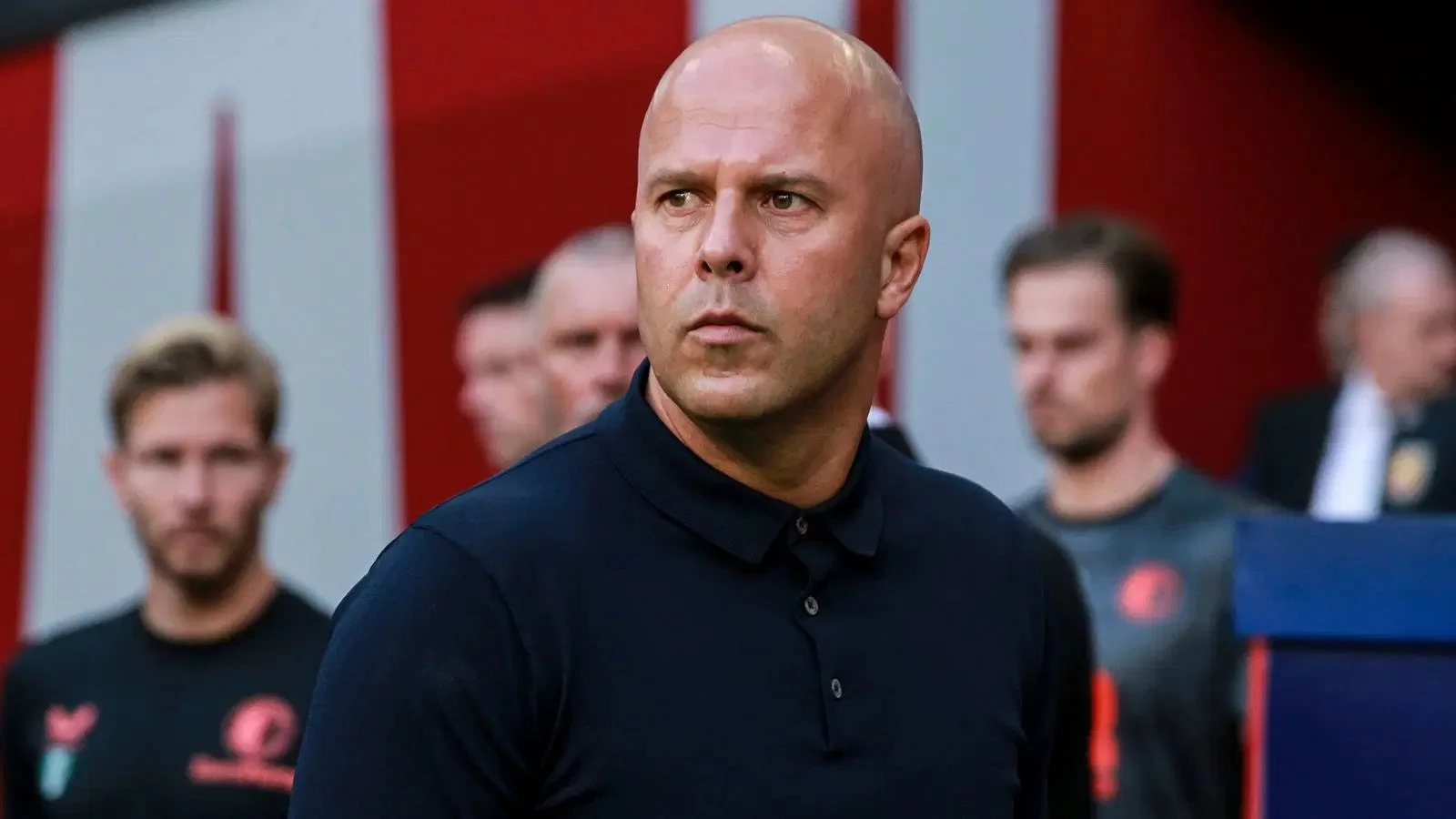
Liverpool manager Arne Slot has admitted that his side have only themselves to blame following their dramatic 3–3 draw with Leeds United on Saturday evening.
The Reds had raced into a two-goal lead at Elland Road thanks to a brace from Hugo Ekitike. They appeared to be in control even after Dominik Szoboszlai put them 3–2 ahead.
Yet Leeds mounted a memorable fightback — with Dominic Calvert-Lewin and Anton Stach first equalising, and then Ao Tanaka drilling home a late goal during nine minutes of added time to rescue a point for the hosts.
Slot reflected on the collapse with candour:
“At 2-1, then maybe their first chance of the game led to 2-2. We showed mentality to go 3-2 up.”
“I think after that we had control. Of course, there’s always the long ball, second ball, which you can’t always make sure it doesn’t happen.”
“And then a set-piece comes in nine minutes of extra time and they score. That is part of our season. But the ones to blame are us. We concede these chances.”
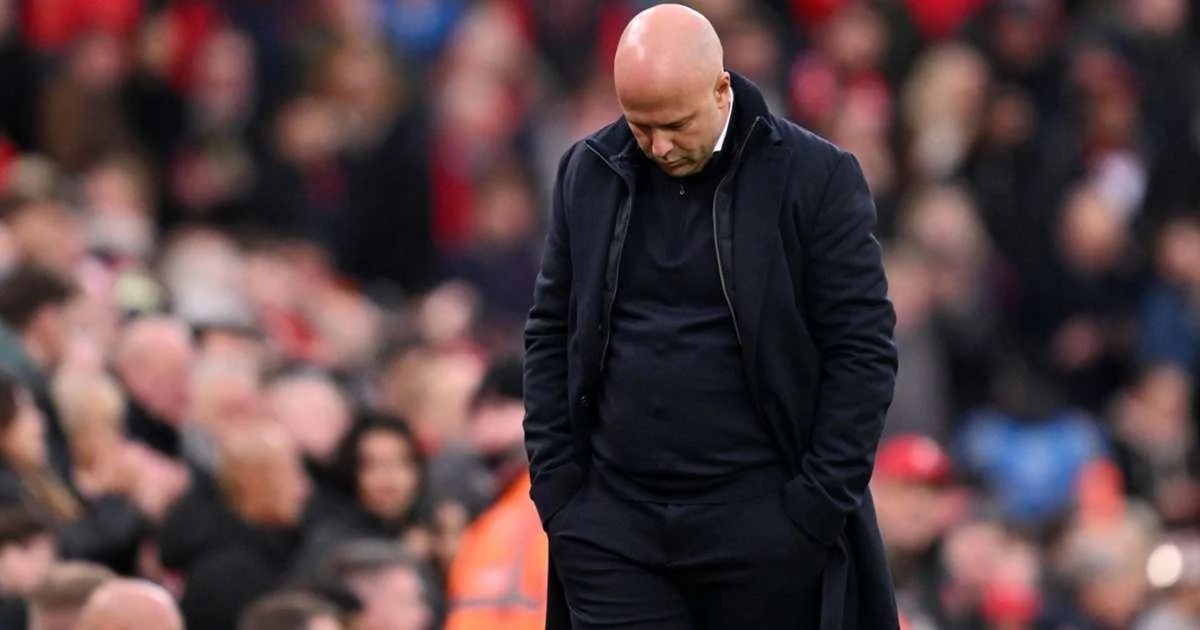
Opinion: Talent Won the Game — But Lapses Keep Dropping the Points
Liverpool showed the attacking flair they’ve become known for: aggression, creativity, and an ability to score. Ekitike’s brace echoed the promise many fans believe he still carries; Szoboszlai’s strike offered hope that Liverpool’s engine room remains dangerous even without key players.
But for all the flair — it was complacency and defensive lapses that cost them dearly.
💔 Conceding a soft equaliser early.
💔 Letting Leeds stay alive after going 3–2 up.
💔 Crumbling during a set-piece in stoppage time.
That pattern shouldn’t exist at a club of Liverpool’s history and ambitions.
Fans can tolerate the unpredictable brilliance. But what they can’t accept is inconsistency — especially when it comes to staying tight at the back.
If Liverpool want to challenge for the title, this kind of result cannot become their new norm. Because in the Premier League, even fleeting lapses are punished — heavily.
They showed what they can do going forward. Now, they must show what they can do when defending forward-looking optimism.