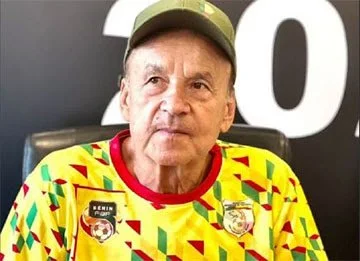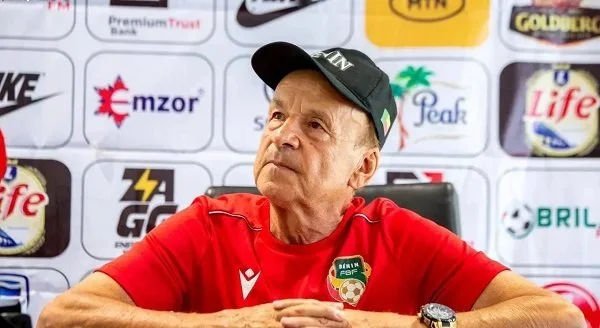
Benin Coach Gernot Rohr Questions FIFA and CAF Over South Africa’s Eligibility Case
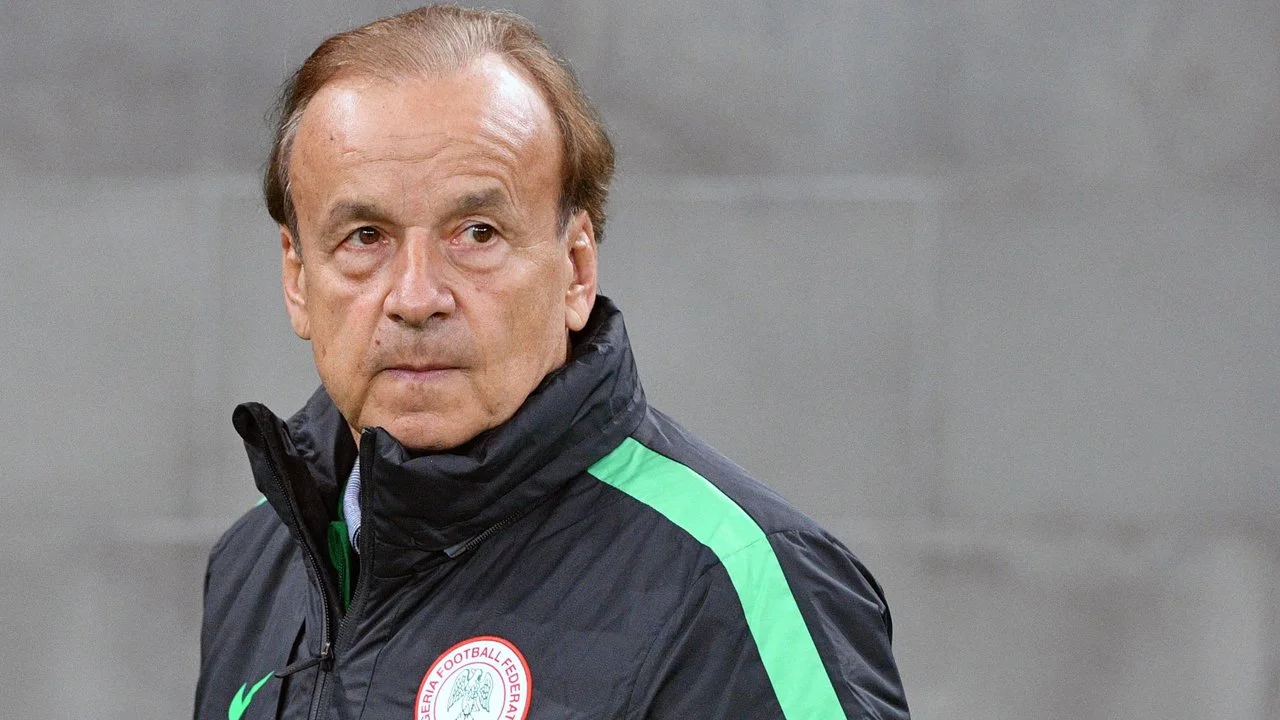
Benin Republic’s head coach, Gernot Rohr, has openly criticized FIFA and CAF for their silence on the alleged ineligible player case involving South Africa, a matter that could significantly alter the 2026 World Cup qualifiers Group C standings.
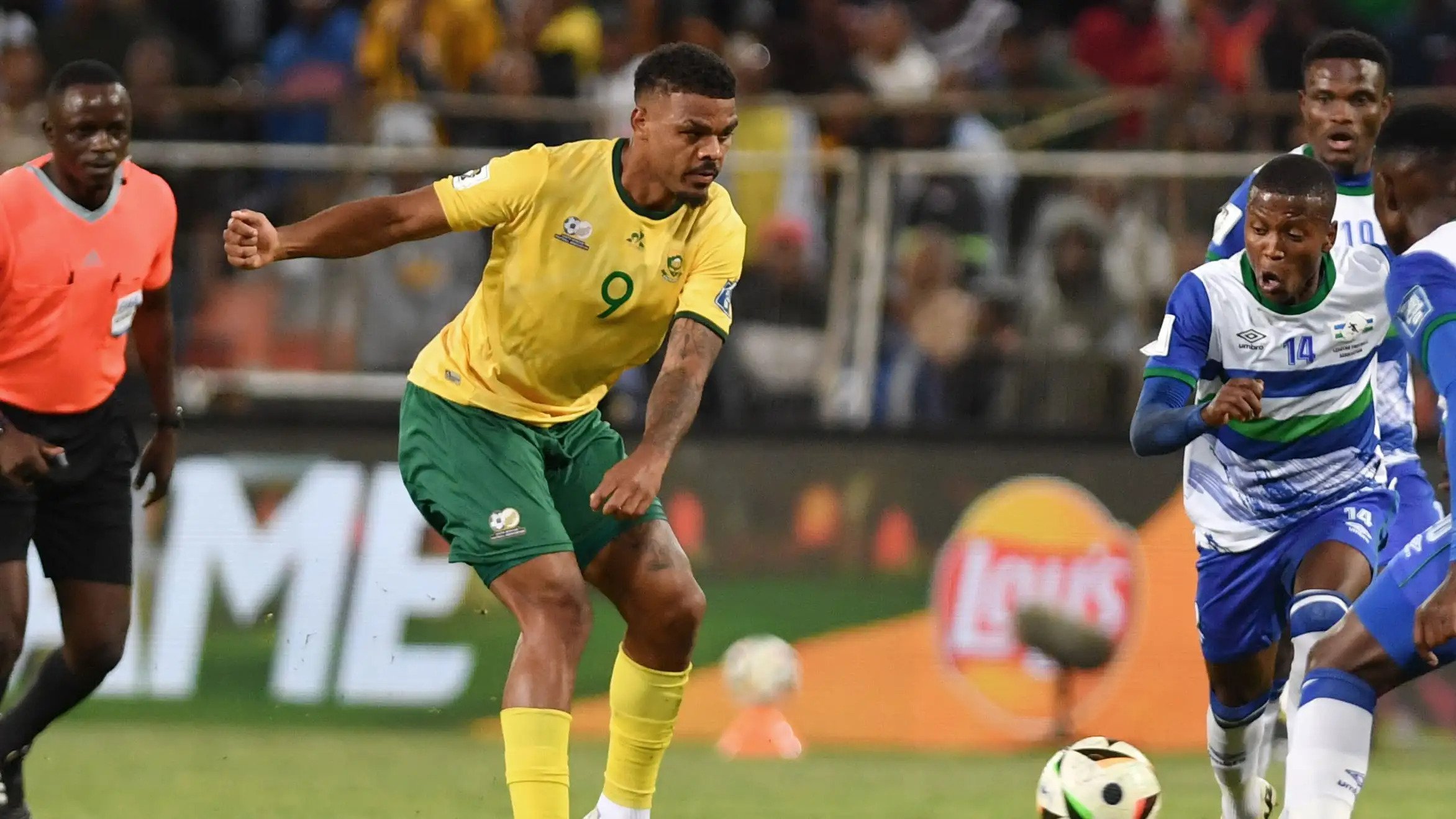
At the center of the controversy is midfielder Teboho Mokoena, who reportedly featured in South Africa’s 2-0 win over Lesotho in March despite questions surrounding his eligibility. While many expected swift action, football’s governing bodies have yet to issue a ruling—leaving nations like Nigeria, Benin, and Rwanda uncertain about the true state of the group table.
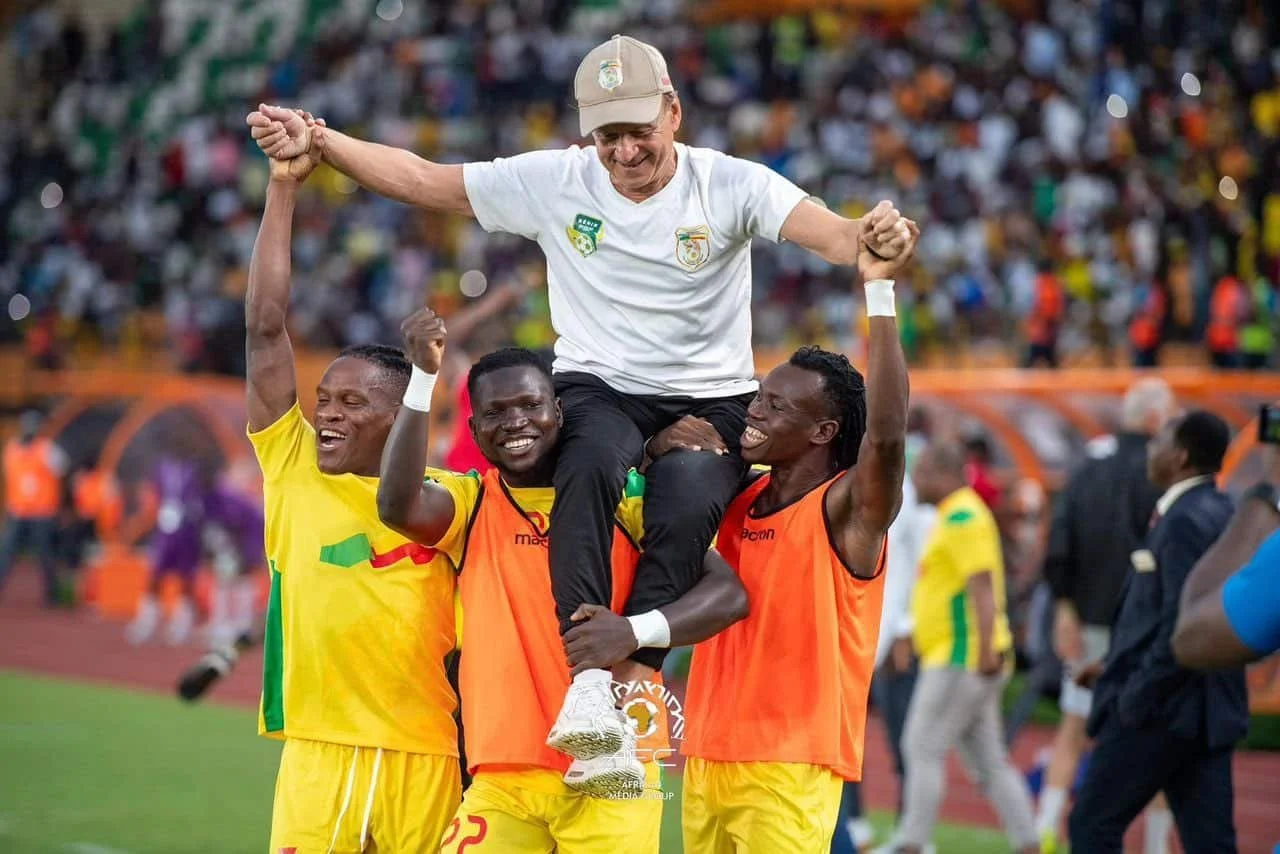
Speaking after Benin’s hard-fought 1-0 victory over Zimbabwe, Rohr didn’t mince words:
“South Africa won against Lesotho? Okay, but the match that matters is the first leg, where they have to lose the three points.
It is very clear. The rules are very, very clear. We don’t know why FIFA and CAF haven’t yet decided to take the points away from them.
It is not normal. We don’t know where we stand. We have 11 points after this match today.
South Africa has to lose three points and then we will be only two points behind our opponent. What are they waiting for? I don’t know. It is incomprehensible.”
If the ruling goes against South Africa, the group dynamics would be dramatically altered—putting Nigeria and Benin in a stronger position to chase a World Cup ticket.
Opinion
Rohr’s frustration is not misplaced. In football, clarity and fairness are everything. Qualification campaigns are built on fine margins—every point counts, every game matters. When a potential regulatory breach drags on unresolved, it not only undermines the competition’s integrity but also leaves players, coaches, and fans in limbo.
For Nigeria and Benin, the uncertainty is more than just a matter of mathematics—it shapes strategy, mindset, and morale. Should Rohr prepare his team as if they are chasing three points, or as if the table already favors them? Should Nigeria count South Africa’s result as valid, or keep hope alive for a recalculation that could boost their chances?
The truth is, football justice delayed feels like football justice denied. CAF and FIFA owe it to the competing nations, and to the fans who invest their emotions, to make timely decisions. Whether South Africa is guilty or not, the matter must be settled quickly, decisively, and transparently.
Because at the end of the day, the World Cup is about merit—and every team deserves to know exactly what they are fighting for.