“Two Different Realms”: Kunle Kuti Reacts to Wizkid–Seun Kuti Fan War, Calls for Perspective
Kunle Kuti, son of Afrobeat pioneer Fela Anikulapo Kuti, has weighed in on the online tension between Grammy-winning singer Wizkid and his brother, Seun Kuti—urging fans to stop comparisons he believes blur history and hurt legacies.
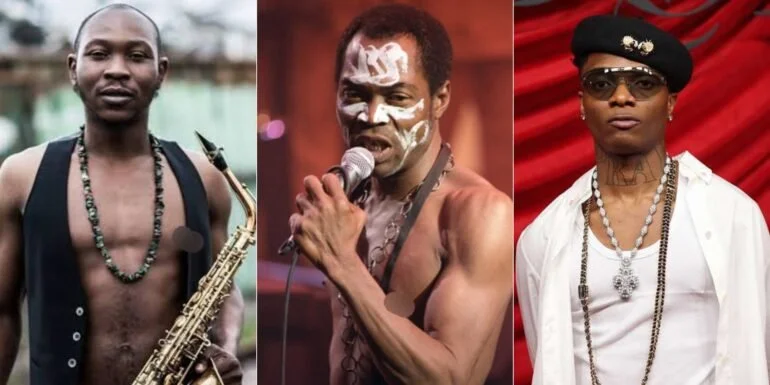
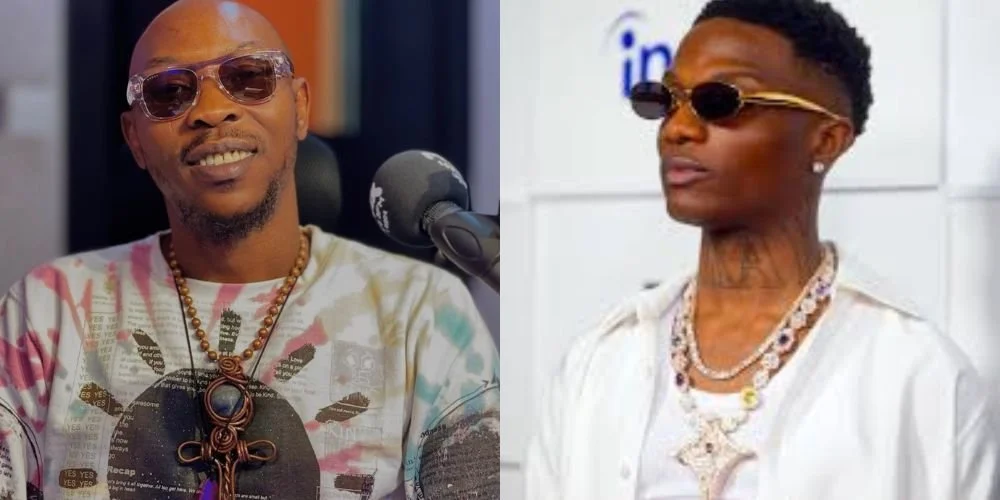
The controversy erupted after Seun Kuti criticised Wizkid’s fanbase for likening the Ojuelegba hitmaker to Fela. Seun argued that such parallels diminish the depth and historical weight of his father’s contribution to music and activism.
Speaking on TheCable’s Our Two Kobo podcast, Kunle Kuti made his position clear: comparisons between Wizkid and Fela miss the point entirely.
“I do not want anybody to compare them; it is two different things,” he said, stressing that both artists operate in separate creative and cultural spaces.
Beyond disagreement, Kunle revealed a deeply personal reaction to the feud—one of heartbreak. He described Wizkid as an artist he genuinely admires and has long hoped to meet, pointing to the singer’s tattoo of Fela as a symbol of respect that moved him.
“That is what I am saying, I was heartbroken. What is this going on?” Kunle said. “Wizkid is the only artist that I have kind of begged people that I want to meet in my life… For the fact that he has Fela’s tattoo. We, his kids, do not even have his tattoo on our bodies.”
Why This Matters
At its core, this debate isn’t just about fandom—it’s about how we remember icons and celebrate today’s stars without forcing them into the same mould. Fela was a revolutionary force whose music fused sound with political resistance. Wizkid, on the other hand, represents a modern global wave—bridging Afrobeats to the world through pop influence, style, and mass appeal.

Opinion: Celebration Shouldn’t Become Comparison
Here’s the truth many fans miss: honoring Fela doesn’t require crowning a “new Fela,” and appreciating Wizkid doesn’t mean rewriting history. Greatness can exist in parallel lanes.
Kunle Kuti’s response is refreshing because it rejects rivalry in favour of respect. His admiration for Wizkid—rooted in the artist’s visible reverence for Fela—shows that influence doesn’t always need imitation. Sometimes, legacy lives best when it inspires freely, not competitively.
If anything, this moment should remind fans to celebrate artists for who they are, not who they’re compared to. Fela’s legacy is secure. Wizkid’s journey is his own. And Afrobeats is richer when we let both truths breathe.