Seun Kuti, Wizkid Feud Deepens Over Fela Tattoo Controversy
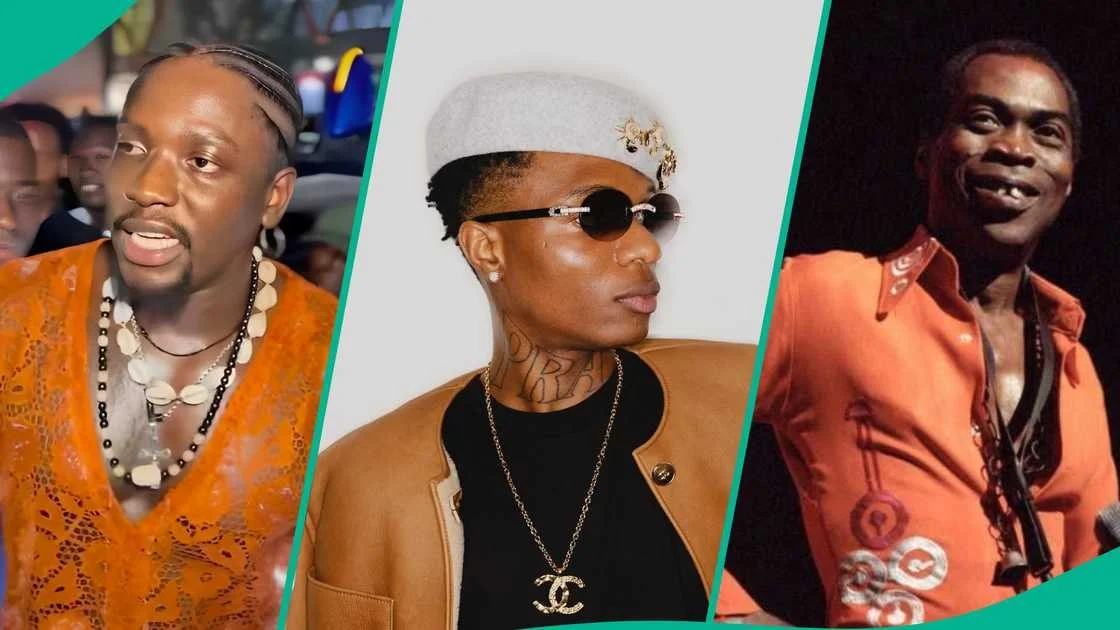
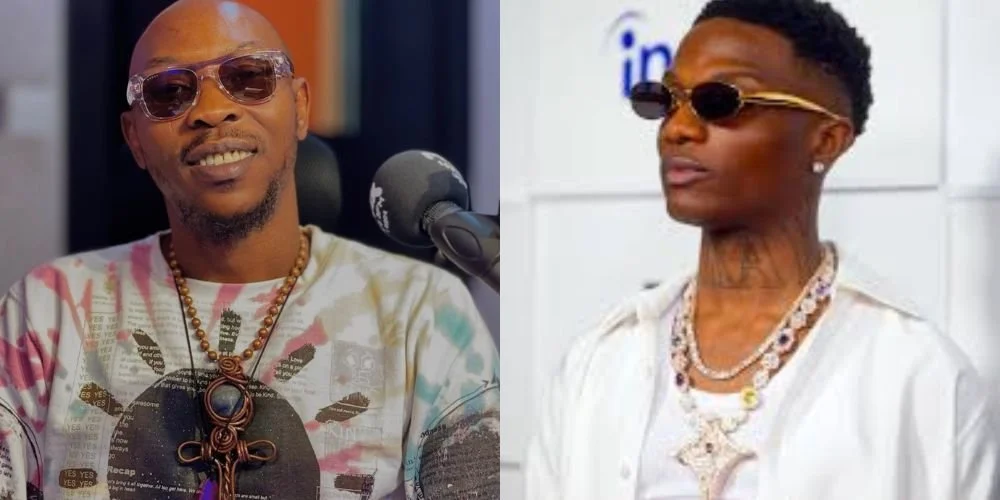
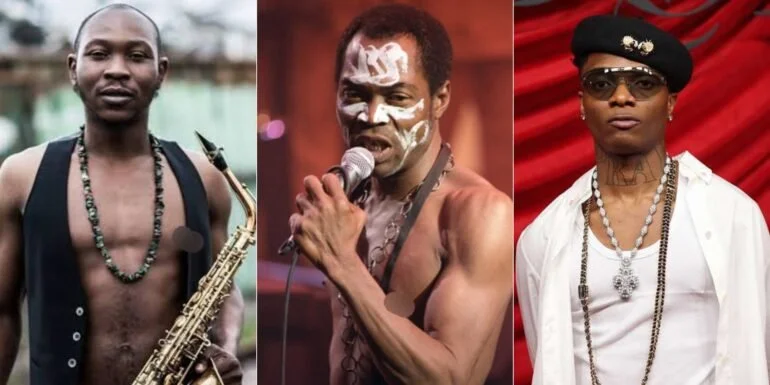
The simmering feud between Afrobeat heir Seun Kuti and Nigerian music superstar Wizkid has taken a dramatic new turn, following Seun’s strong reaction to Wizkid’s tattoo of his late father, legendary musician and activist Fela Anikulapo Kuti.
During an Instagram Live session that has since gone viral, Seun openly criticized Wizkid for wearing the tattoo, insisting that the singer remove it. In a fiery moment, he suggested Wizkid should replace the tattoo with an image of his own father instead.
“Remove my father’s tattoo on your arm and replace it with your father’s head. If you won’t do it, you will never use your hands to do great things in life,” Seun said, a statement that sparked widespread reactions across social media.
The tension between both figures did not start with the tattoo. Seun Kuti has repeatedly pushed back against comparisons between Wizkid and Fela, arguing that such narratives diminish his father’s historical significance. According to him, Fela’s legacy extends far beyond music into politics, activism, and cultural resistance, areas he believes cannot be measured by charts, awards, or commercial success.
Seun has also taken aim at Wizkid’s fanbase, accusing them of being disrespectful by constantly dragging Fela’s name into online debates. He further questioned why modern success is often used as a yardstick to judge historical influence, describing it as a misunderstanding of history.
Adding another layer to the feud, Seun accused Wizkid of copying his nickname “Big Bird,” claiming it was originally associated with him.
Wizkid, on his part, responded via Instagram by distancing himself from comparisons to Fela. While rejecting being placed in the same category, he maintained that he considers himself “bigger” in terms of modern-day success.

Opinion: Legacy, Respect, and the Weight of Icons
This clash goes beyond tattoos and social media exchanges; it touches on a deeper conversation about legacy, respect, and generational differences. Fela Kuti is not just a music legend—he is a symbol of resistance, cultural pride, and political courage. For Seun, protecting that legacy is personal and non-negotiable.
On the other hand, Wizkid represents a new era of African global dominance, where success is often measured by international reach, numbers, and influence in pop culture. Both realities can coexist without one diminishing the other.
However, the public nature of this feud risks turning a meaningful conversation into unnecessary hostility. Tattoos are often personal expressions of admiration, but when they involve cultural icons, emotions are bound to run high.
In the end, African music thrives when its legends—past and present—are celebrated with mutual respect. Rather than competing across generations, there is room for acknowledgment, understanding, and dialogue. That, perhaps, would be a greater tribute to Fela’s enduring legacy than any ink on skin.