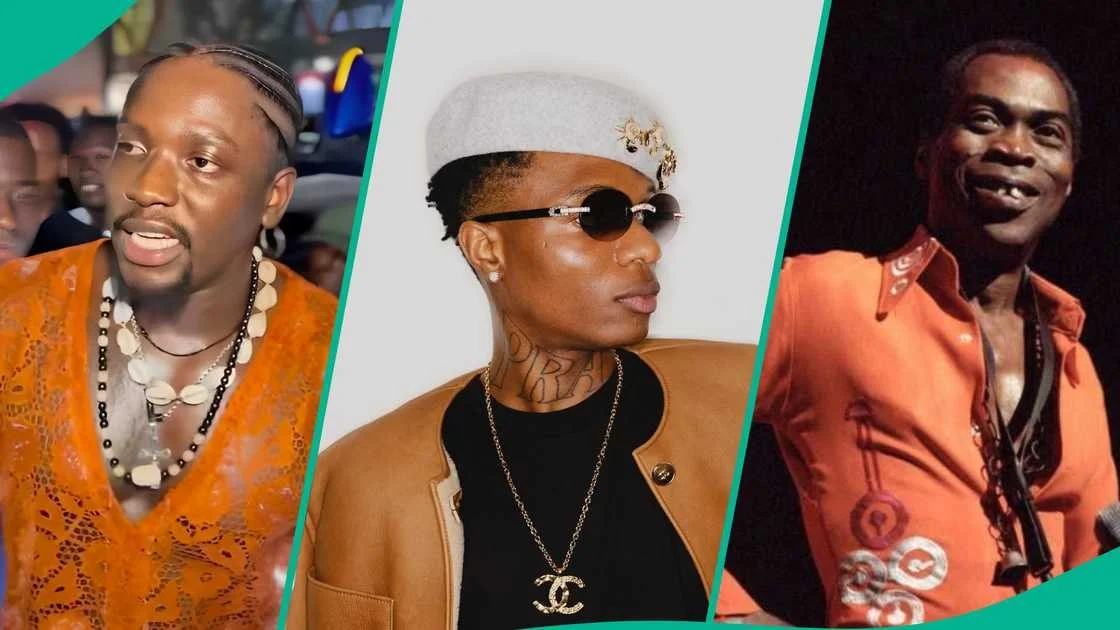
VeryDarkMan Accuses Wizkid of Disrespecting Fela Kuti Amid Ongoing Feud
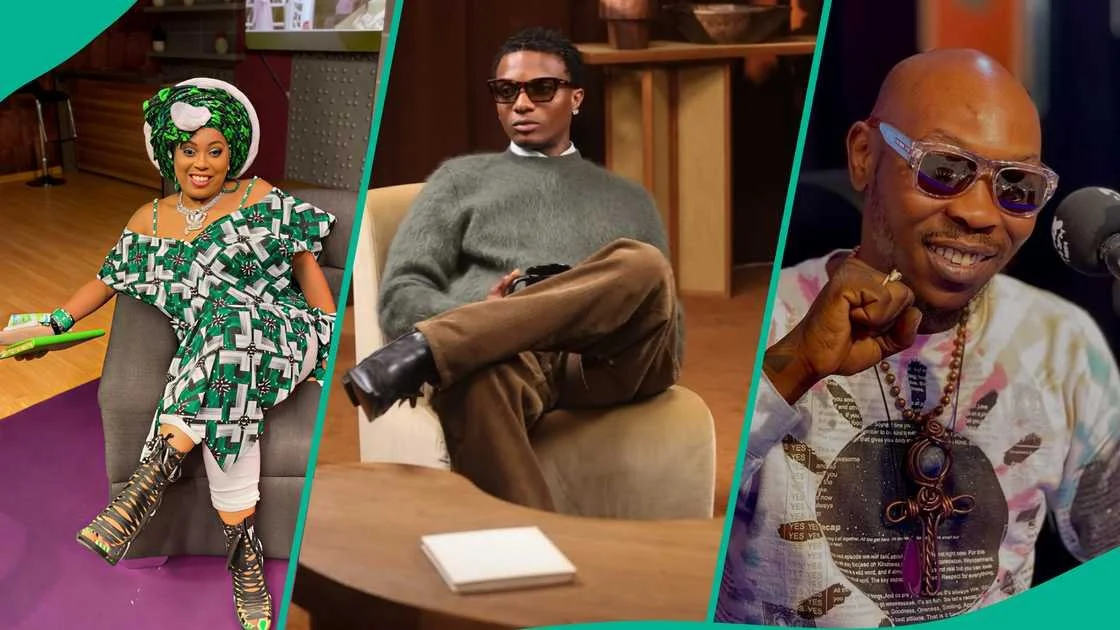
Social media influencer and activist VeryDarkMan (VDM) has weighed in on the growing controversy surrounding Wizkid and the Kuti family, accusing the Afrobeats star of showing disrespect to the late Afrobeat legend, Fela Anikulapo Kuti.
In a viral video released on Thursday, VDM lamented what he described as Nigeria’s failure to properly honour its music legends, arguing that while other countries celebrate their cultural icons, Nigerians are quick to dismiss theirs as “past glory.”
According to him, the problem goes beyond Wizkid alone. VDM noted that many music pioneers and veterans who speak out on national or industry issues are often ignored, ridiculed, or insulted, rather than respected for their contributions.
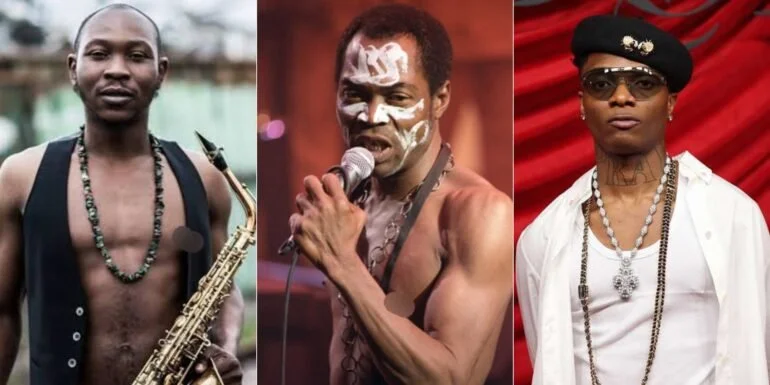
Referencing the ongoing clash between Seun Kuti and Wizkid, VDM listed several respected names in Nigerian music history, including Eedris Abdulkareem (Eldee the Don), African China, Plantation Boiz, P-Square, Remedies, Tony Tetuila, Jazzman Olofin, 9ice, Vector, Sasha P, Asa, Weird MC, 2Face Idibia, and Blackface, stressing that these are people who should be celebrated, not written off.
“People you are supposed to idolise and respect are called ‘past glory’ in this country,” he said.
VDM also criticised Wizkid’s recent comments, claiming they emboldened some of his fans to insult Fela Kuti, something he described as deeply troubling. While acknowledging that disagreements are normal, he insisted that Wizkid should have handled the situation with more maturity, given Fela’s historical significance.
Addressing comparisons between Wizkid and Fela—especially those centred on Grammy Awards—VDM dismissed claims that Wizkid’s Grammy win places him above the Afrobeat pioneer. He argued that Wizkid’s 2021 Grammy win for Best Music Video on Beyoncé’s Brown Skin Girl was largely influenced by Beyoncé’s global stature, describing it as not a “real solo Grammy.”
VDM contrasted this with Burna Boy and Tems, whose Grammy wins, he said, were based on individual artistic merit, citing Burna Boy’s Twice As Tall and Tems’ multiple Grammy recognitions.
He further defended Fela Kuti against criticisms of his personal life, particularly his multiple marriages, questioning why figures like King Solomon are widely revered despite similar controversies, while Fela continues to face judgment.
VDM also pointed out that Beyoncé herself has repeatedly honoured Fela Kuti, including performing Zombie as a tribute and praising him in interviews. He noted that Zombie was inducted into the Grammy Hall of Fame in 2025, with Fela also expected to receive a posthumous Lifetime Achievement Award.
In conclusion, VDM insisted that Wizkid has not surpassed Fela Kuti musically or culturally, nor the broader Kuti lineage, including Femi Kuti, Seun Kuti, and Made Kuti, whose influence on African music and global discourse remains enduring.

Opinion: Fame Is Loud, Legacy Is Eternal
VeryDarkMan’s comments may be controversial, but they touch a sensitive truth Nigerians often avoid: we celebrate success today but struggle to respect legacy.
Wizkid is undeniably one of Africa’s biggest modern music exports, but Fela Kuti was more than a musician—he was a movement, a voice of resistance, and a cultural force whose influence still shapes global conversations about African identity, politics, and art. Comparing the two purely on awards or commercial success misses the bigger picture.
Grammys, charts, and streaming numbers reflect momentary dominance, but legacy is built on impact across generations. Fela’s music continues to inspire activism, scholarship, and artistic expression decades after his death—something few artistes, no matter how successful, achieve.
That said, the situation also highlights a broader issue: fan culture turning disagreement into disrespect. Healthy debate should never descend into insults, especially when it involves families, history, or cultural icons.
Wizkid does not need to be “greater than Fela” to be great. Nigerian music is rich enough to celebrate both past giants and present stars without tearing one down to uplift another.
In the end, trends fade, but legacies endure—and how today’s stars treat yesterday’s legends may one day determine how history treats them.