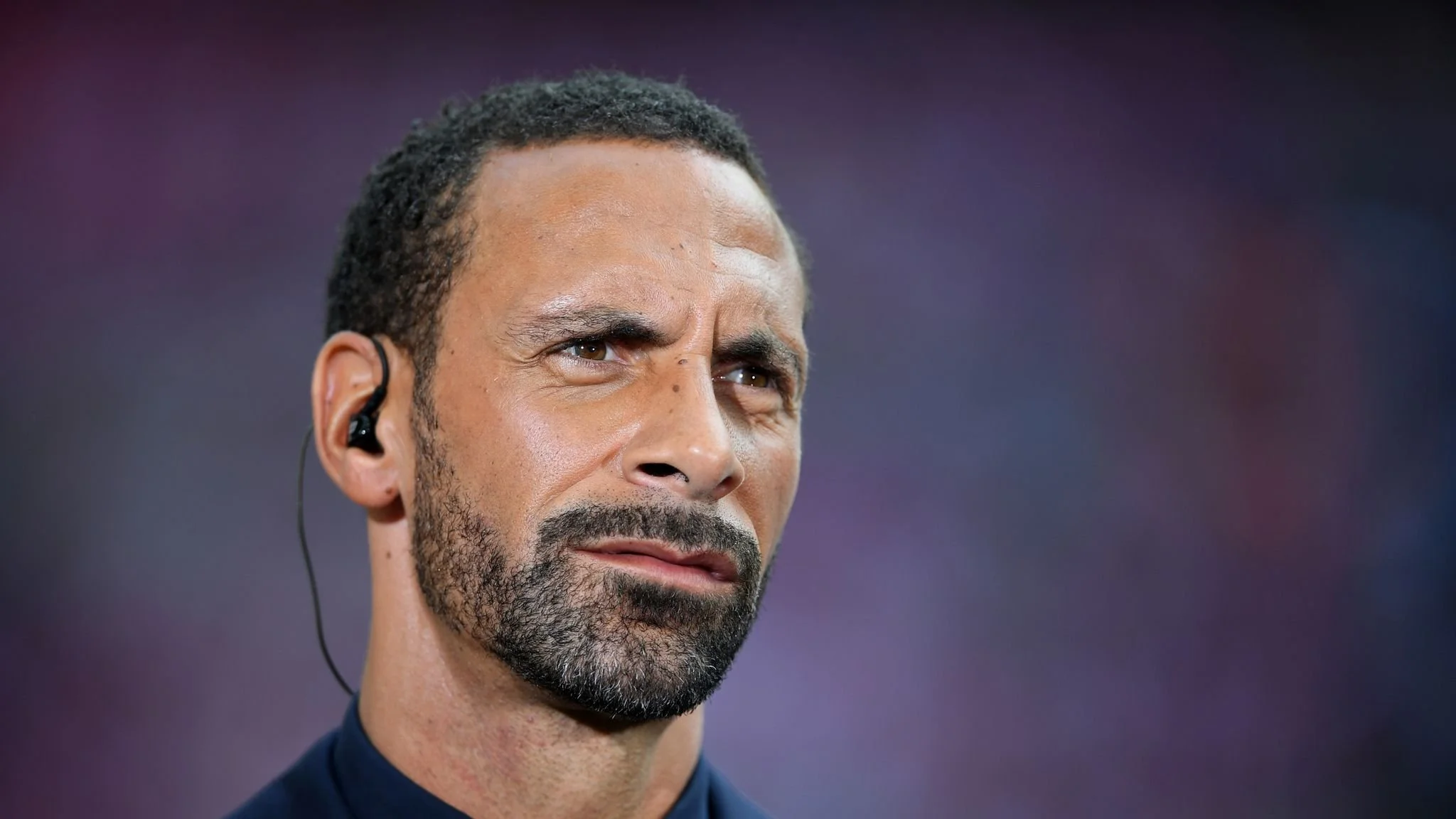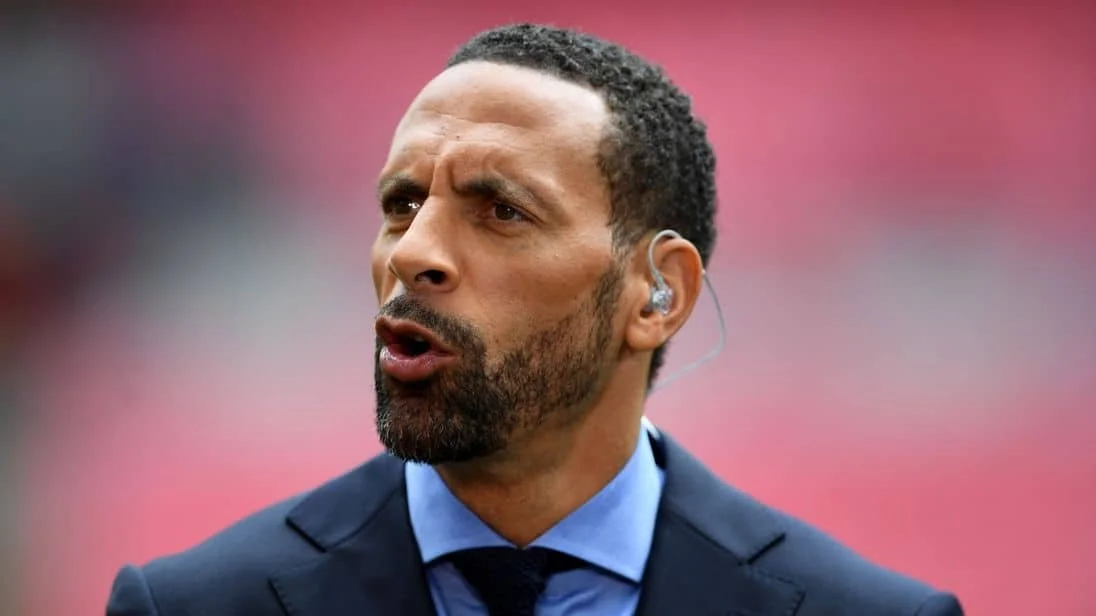
Rio Ferdinand Calls for AFCON to Align with Euros and Copa America
Manchester United legend Rio Ferdinand has sparked fresh debate around the scheduling of the Africa Cup of Nations (AFCON), arguing that the tournament should be held at the same time as the UEFA European Championship and the Copa America.
Speaking on his talk show Rio Ferdinand Presents, the former England defender pointed out that the growing influence of African players in top European leagues means AFCON now has a significant impact on competitions such as the Premier League and LaLiga when it takes place mid-season.
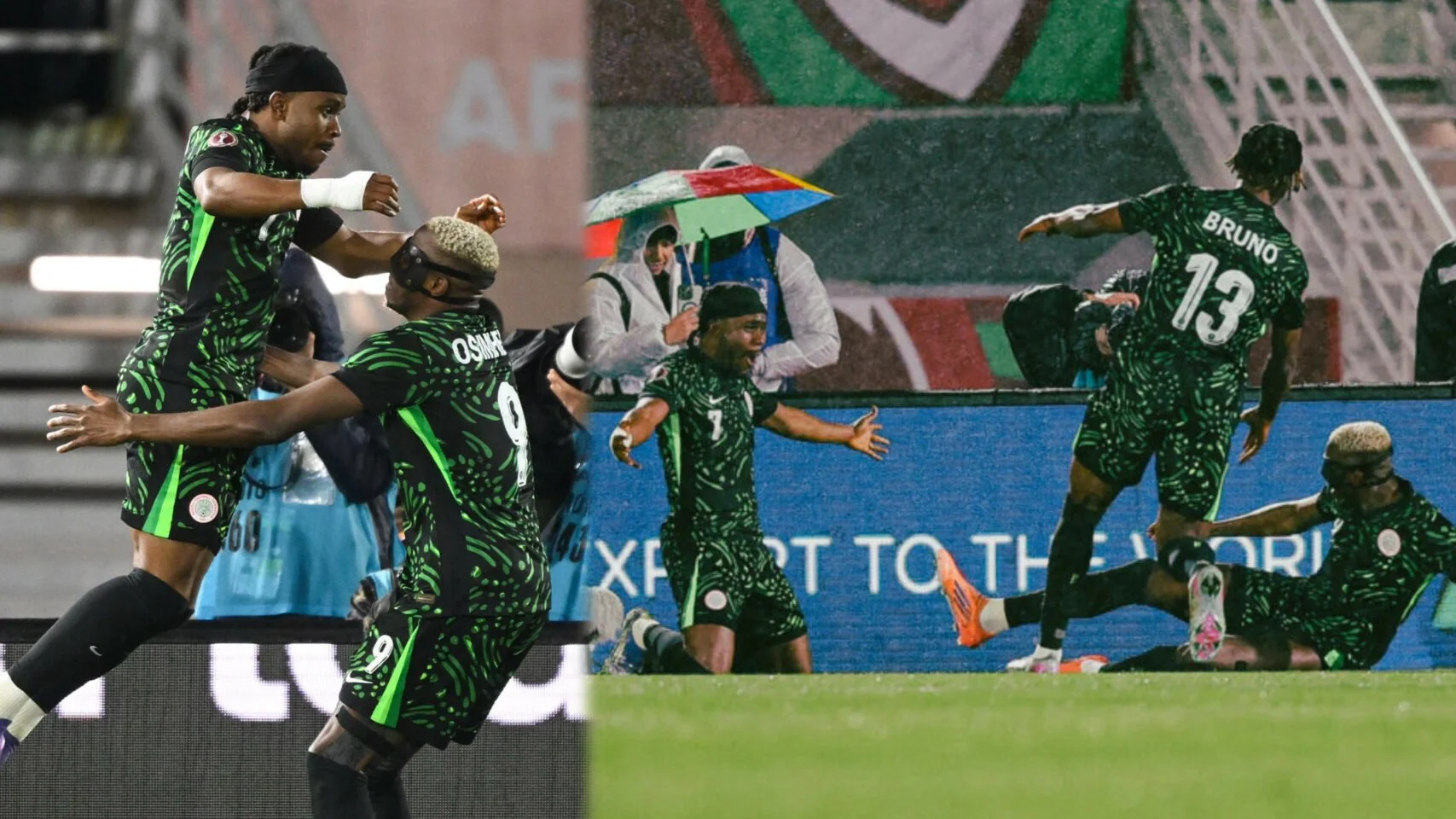
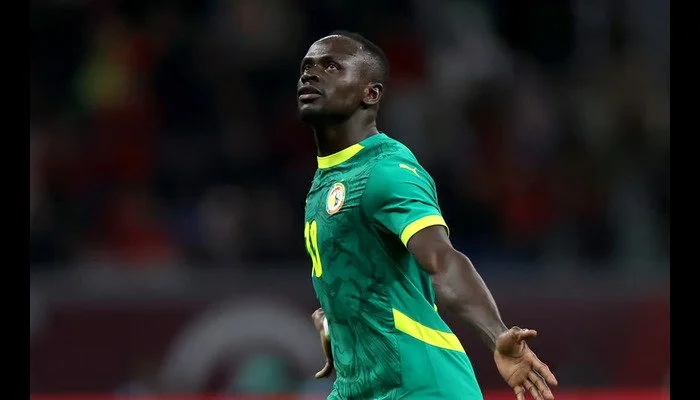
Ferdinand noted that some of Europe’s biggest stars — including Mohamed Salah, Victor Osimhen, Ademola Lookman, Amad Diallo and Bryan Mbeumo — are currently representing their countries at the ongoing 2025 AFCON in Morocco. Their absence, he argued, inevitably affects the overall quality and competitiveness of European leagues.
“African players are so prominent now. There are so many African players playing on the biggest stage, in the Premier League, other European leagues and the Champions League,” Ferdinand said.
“When they leave for the AFCON, it dilutes the overall quality of the Premier League, LaLiga and all the other European leagues. There should be a push for the AFCON to be put at the same time as the Euros and Copa America. Why are they playing when leagues around the world are off, but the African version isn’t?”

Opinion: Ferdinand’s argument reflects a long-standing concern among European clubs and broadcasters, but it also opens up a deeper conversation about fairness and respect for African football. While aligning AFCON with the Euros and Copa America could reduce disruption to club seasons, the unique climate conditions across Africa have historically influenced its scheduling. That said, as African football continues to produce global superstars and command worldwide attention, there is a growing case for modernising the tournament’s calendar.
Ultimately, the debate is not just about convenience for European leagues, but about giving African football the same structural consideration afforded to other major international competitions. Whether CAF can find a solution that balances climate realities with global football demands remains a question that will continue to divide opinion.