Funke Akindele Fires Back at Kunle Afolayan Over Cinema Marketing Debate
Renowned Nollywood actress and filmmaker Funke Akindele has responded sharply to comments made by her colleague Kunle Afolayan regarding cinema marketing strategies and the much-talked-about ₦2 billion box office milestone.
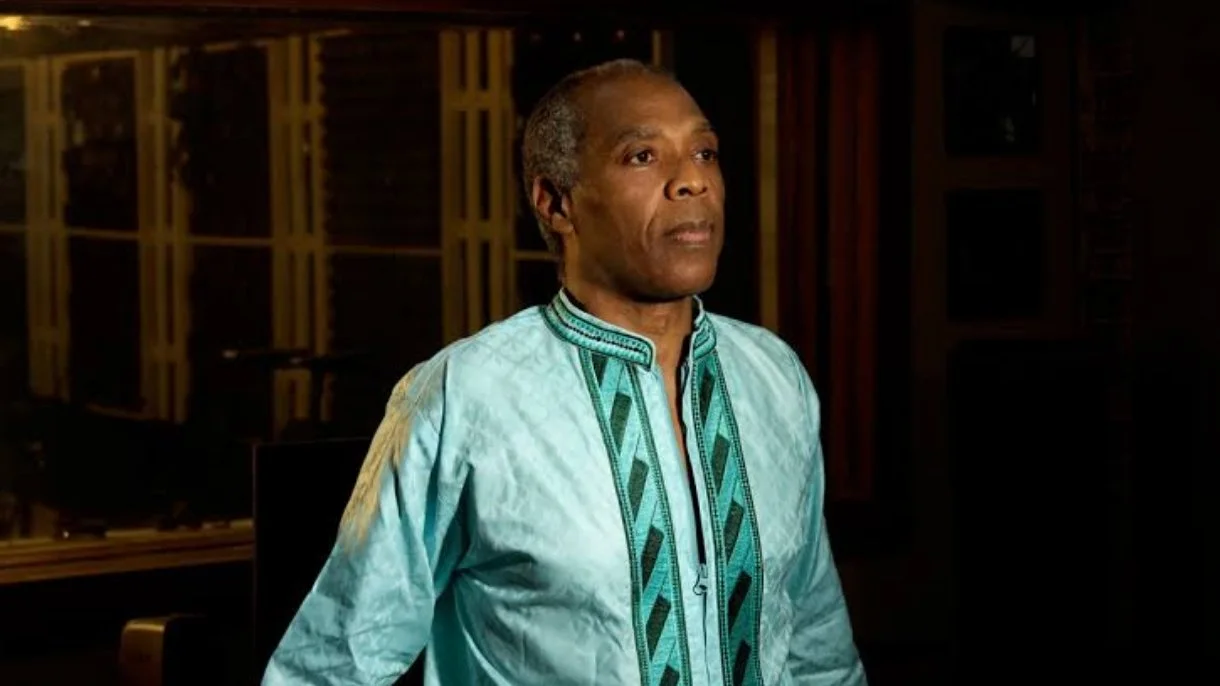
Kunle Afolayan, in a series of recent videos and public appearances, openly criticised what he described as the exhausting and performative nature of modern movie promotion, particularly on social media. Speaking during the launch of his film Anikulapo, the filmmaker stressed that box office figures alone do not equate to real profit.
“There is no competition between us. I don’t just want ₦1 billion or ₦2 billion in the cinema that I won’t be able to personally receive ₦10 million from,” Afolayan said.
He doubled down on his stance during his appearance at the Lagos Business of Film Summit, where he questioned the sustainability of aggressive social media promotions.
“I want to make a film if you can guarantee I don’t have to dance to sell. We need other strategies. I don’t know how the likes of Funke Akindele are doing it — creating skits every day, changing costumes all the time. I can’t do it,” he added.
However, Funke Akindele did not take the remarks lightly.
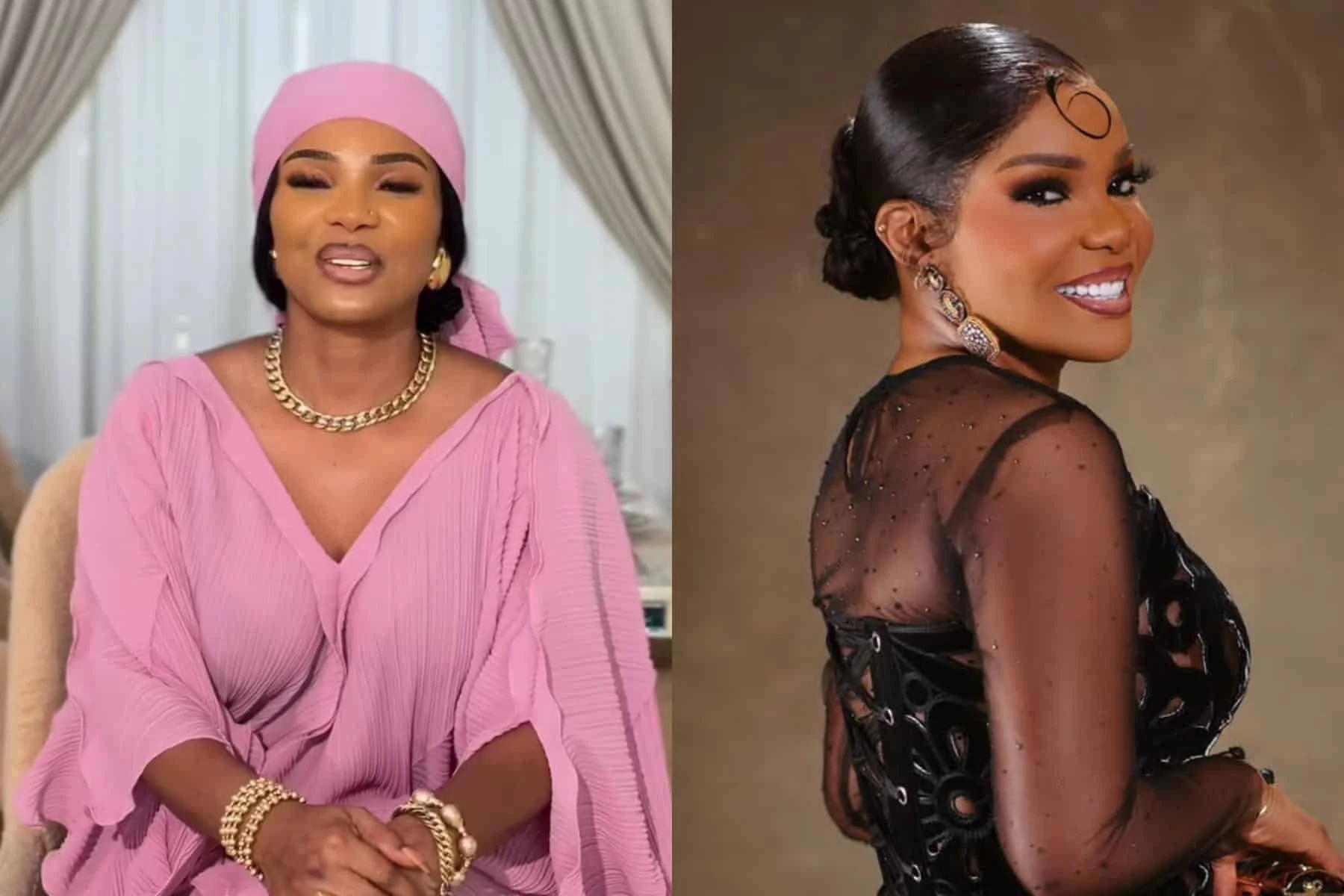
Reacting via her Instagram Story, the box office queen suggested that Afolayan’s comments stemmed from jealousy rather than genuine concern. In a mix of English and Yoruba, she made her position clear.
“I’m not the one hindering your progress. Ka rin ka po, yiye ni n ye ni,” she wrote.
She added pointedly:
“If you can’t beat them or join them, create your own path. No allow jealousy burn you. The sky is so big for everybody to fly… Go ahead and create alternative promotion or marketing strategies for promoting your business, or hire a company to handle it.”
Funke emphasized that everyone has their own journey in the industry and insisted she remains focused on hers, trusting God’s plan for her career.

Opinion: Clash of Ideologies or a Necessary Industry Conversation?
Beyond the fiery exchange, this moment highlights a deeper debate within Nollywood — tradition versus adaptation.
Kunle Afolayan represents a school of thought that prioritizes artistic process, long-term value, and structured film economics. Funke Akindele, on the other hand, embodies the new-age Nollywood hustle, where visibility, consistency, and audience engagement drive massive returns.
Neither approach is wrong.
What works for Funke may not work for Kunle, and vice versa. But in an industry as dynamic as Nollywood, adaptability often determines reach and revenue. Social media promotion may be exhausting, but it has undeniably rewritten the rules of success.
Rather than rivalry, this moment could serve as a teachable moment — proof that Nollywood is big enough for different strategies, styles, and success stories to coexist.
At the end of the day, the real win is a thriving film industry where everyone finds their lane and flies freely.