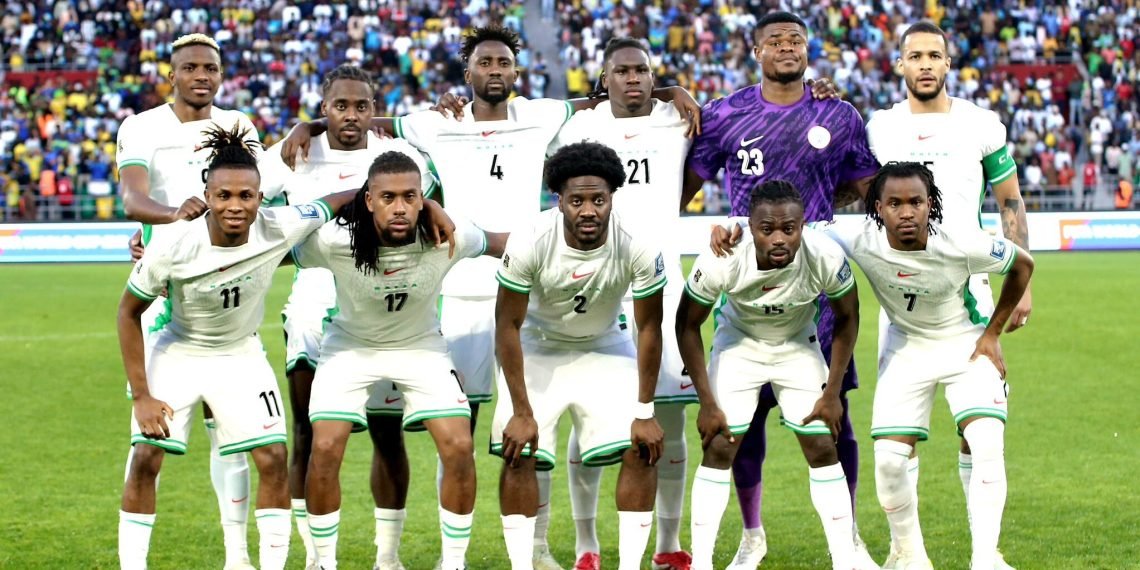
NFF to Appeal as FIFA Rejects Protest Against DR Congo
The Nigeria Football Federation (NFF) has confirmed that FIFA has dismissed its petition against the DR Congo national football team following their controversial African play-off final clash.
NFF General Secretary, Mohammed Sanusi, disclosed the development on Tuesday, stating that the federation is dissatisfied with the ruling and has already begun the process of filing an appeal.
“We have received the decision of the FIFA Disciplinary Committee on our petition, but we are not satisfied with the decision, which rejected our petition,” Sanusi said.
“I want to assure Nigerians that the NFF has immediately commenced the process of appealing the decision.”
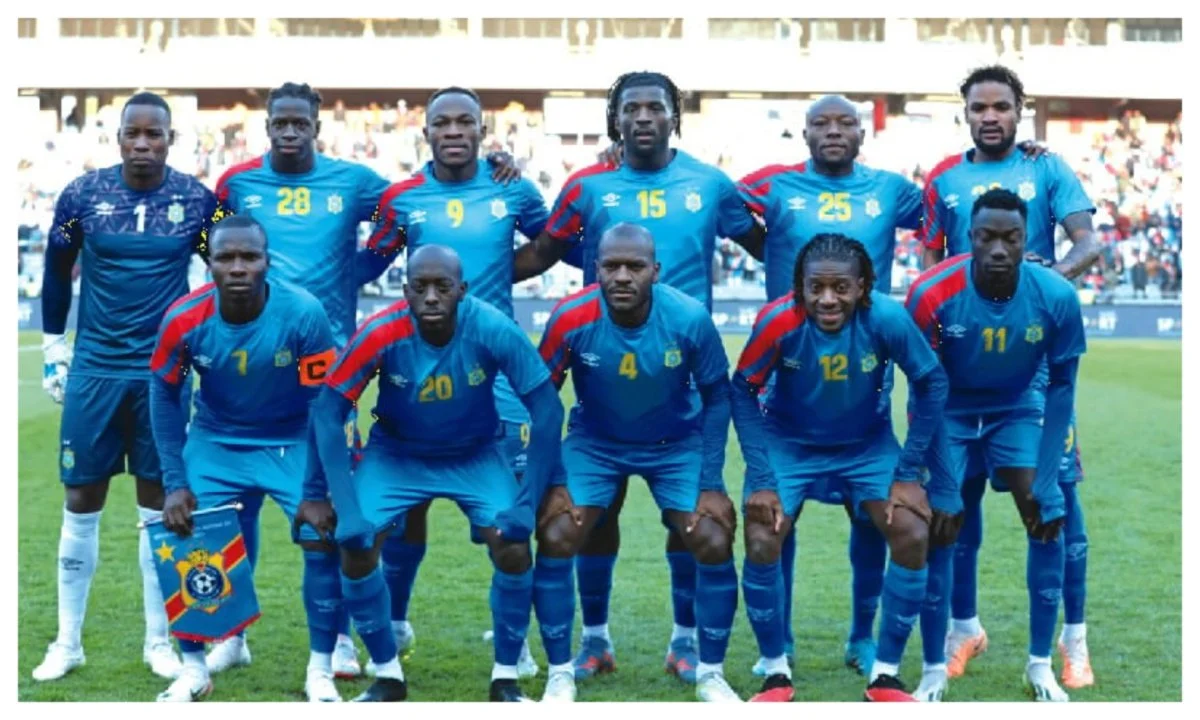
The Super Eagles suffered a painful 4–3 penalty shootout defeat to DR Congo in the African play-off final, missing out on a crucial opportunity.
Following the match, the NFF had lodged a formal complaint, questioning the eligibility of certain Congolese players. The protest centered on alleged irregularities in the issuance of passports to some members of the squad.
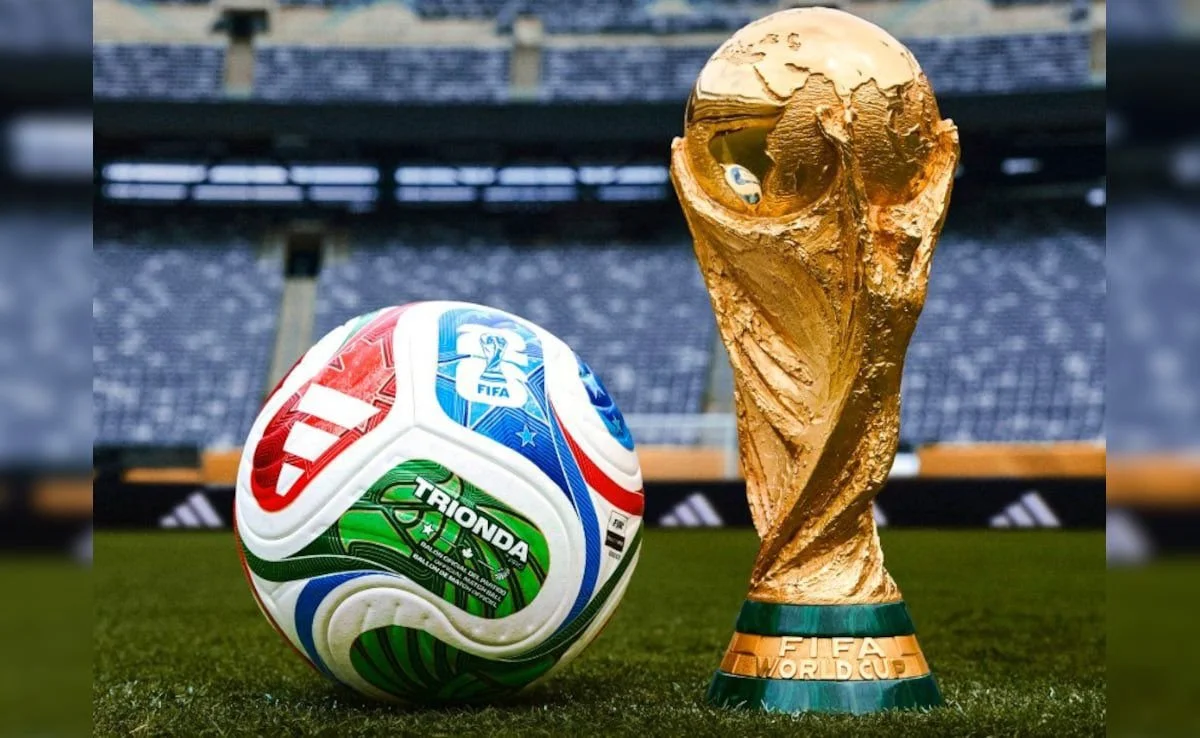
Despite the rejection, the NFF remains determined to challenge the verdict, keeping the issue alive as DR Congo prepares for the next stage. The Congolese side is scheduled to face the winner of the clash between Jamaica national football team and New Caledonia national football team in the 2026 World Cup intercontinental play-offs.

Opinion: A Risky but Necessary Stand by the NFF
While FIFA’s decision may feel like a setback, the NFF’s choice to appeal shows a willingness to defend what it believes is fairness and integrity in international football. For many Nigerians, the manner of the Super Eagles’ exit was already painful—adding allegations of ineligible players only deepens the frustration.
However, this move is not without risk. Appeals at FIFA level are often lengthy and rarely overturned unless backed by strong, undeniable evidence. If the NFF cannot provide new or compelling proof, the process may end up as a symbolic protest rather than a successful challenge.
Still, beyond just this case, the situation highlights a broader issue in global football—player eligibility and documentation remain sensitive topics that governing bodies must handle with transparency and consistency.
For now, the focus should remain balanced: pursue justice where necessary, but also ensure that the Super Eagles regroup and move forward on the pitch, where results ultimately matter most.