FIFA Set to Decide on Nigeria’s Protest Against DR Congo Over Player Eligibility
World football governing body FIFA is expected to deliver its verdict on Monday, February 16, regarding Nigeria’s eligibility protest against DR Congo national football team.
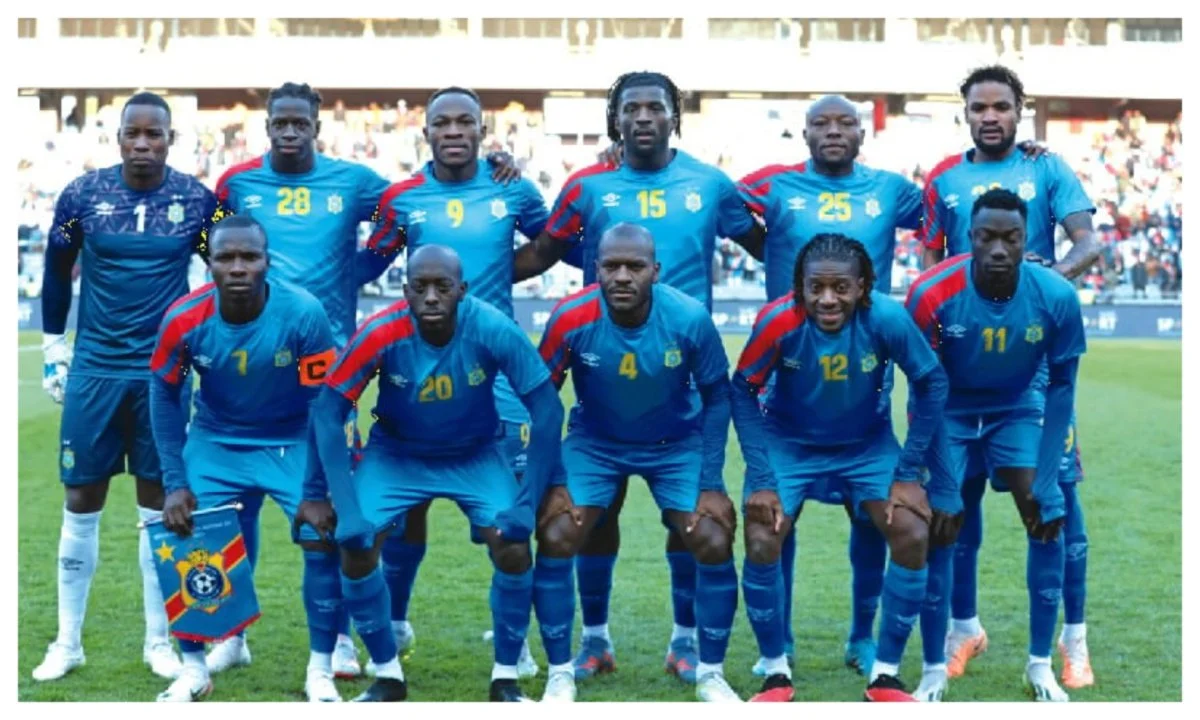
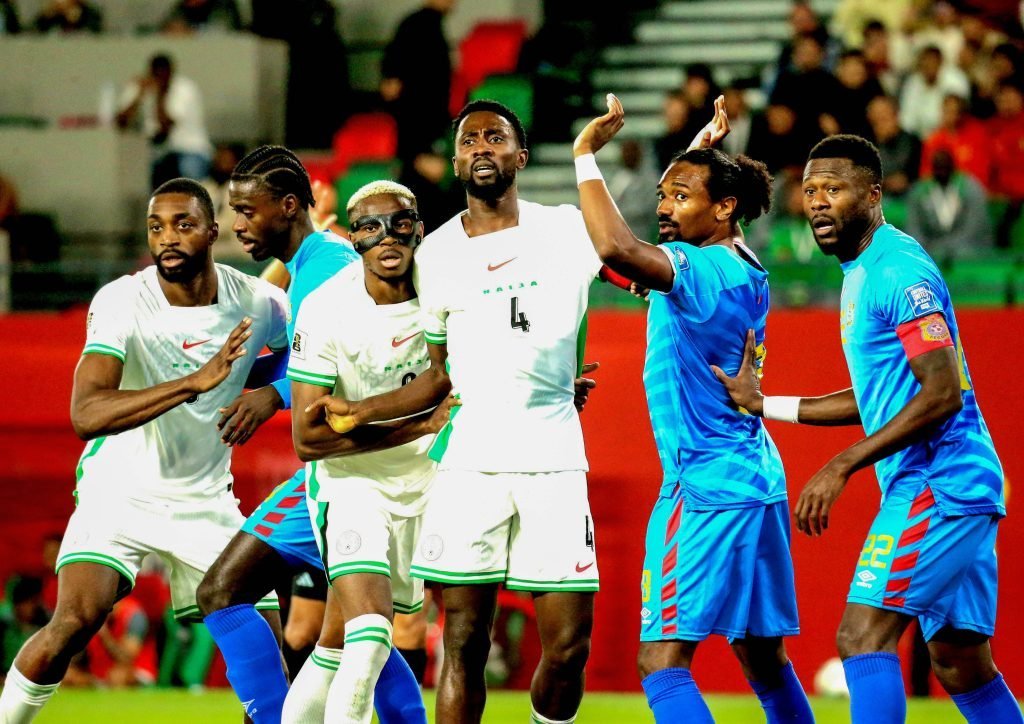
The Nigeria Football Federation (NFF) had formally lodged a complaint in December, alleging that at least six DR Congo players who featured in the 2025 African playoff final were ineligible to play due to recent nationality switches that had not been properly cleared under FIFA regulations.
Nigeria’s Nigeria national football team lost the dramatic encounter 4–3 on penalties after the match ended 1–1 in regulation time — a result that denied them a direct pathway toward the 2026 FIFA World Cup qualification process.
NFF General Secretary Mohammed Sanusi has expressed confidence in the case, insisting the federation would not pursue the matter without strong evidence.
“We have a good case. We don’t go into things that would be a waste of time. We believe we have a strong case, and we are waiting for FIFA’s decision on our complaints,” he said.
If FIFA rules in Nigeria’s favor, the Super Eagles would gain entry into the Intercontinental Play-Off tournament scheduled for March in Mexico. A successful campaign there could secure one of Africa’s remaining qualification slots for the 2026 FIFA World Cup, which will be hosted by the United States, Canada, and Mexico.
Opinion: Hope, Fairness, and the Spirit of Competition
This case goes beyond Nigeria alone — it touches on the integrity of international football regulations. Eligibility rules exist to ensure fairness, and if violations occurred, corrective action would be justified regardless of the teams involved.
For Nigeria, the stakes are enormous. Missing out on the World Cup would be a major disappointment for a nation with immense football heritage and passionate supporters. However, qualification through administrative decisions can also be controversial, which is why FIFA’s investigation must be thorough and transparent.
There is also a deeper lesson here: football development cannot rely solely on legal battles. Regardless of the verdict, Nigeria must continue strengthening its grassroots systems, tactical identity, and long-term planning to compete consistently at the highest level.
Still, hope remains alive for fans. If FIFA rules in Nigeria’s favor, it could reopen the door to the World Cup dream — proof that in football, destiny sometimes takes unexpected turns.