Tems Makes History With Seventh Billboard Hot 100 Entry, Sets New Pace for African Female Artists
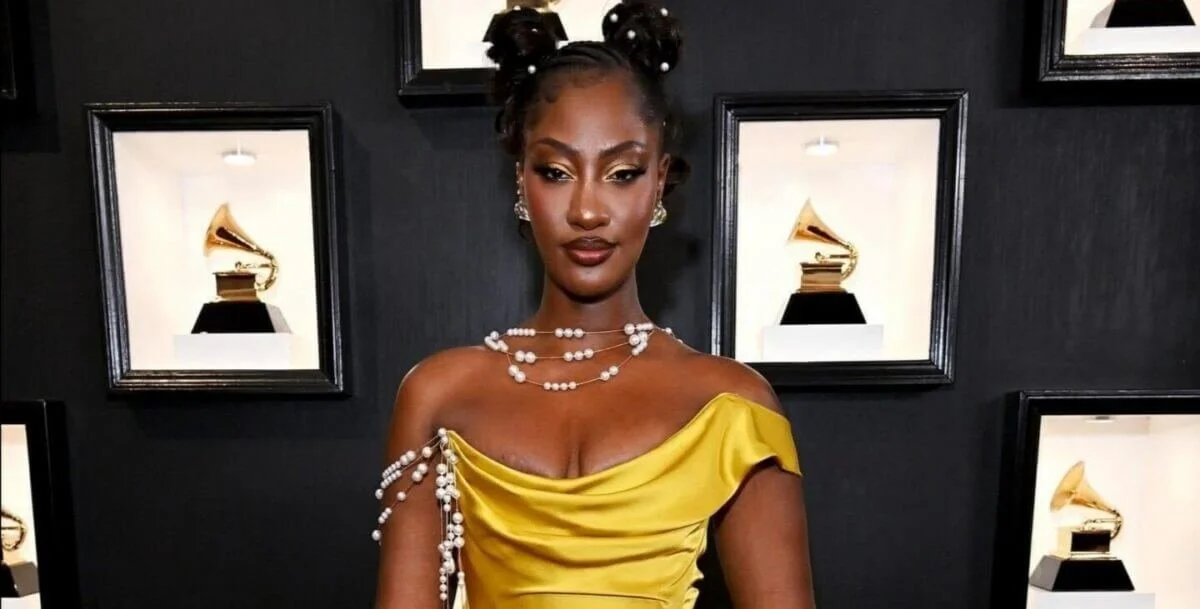
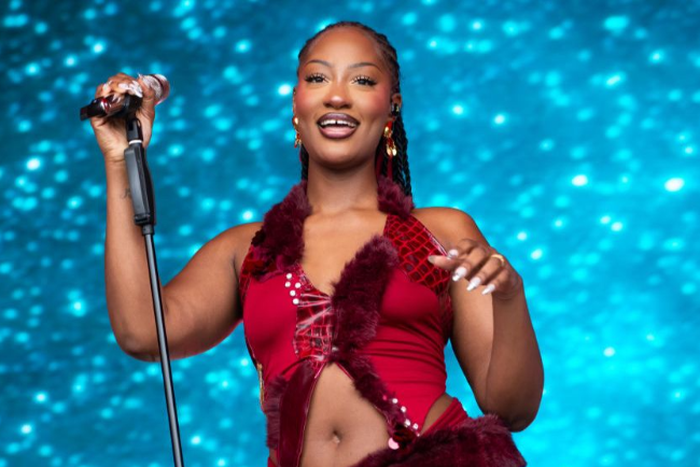
Grammy-winning Nigerian singer Temilade Openiyi, widely known as Tems, has once again etched her name into global music history after becoming the first African female artist to secure seven entries on the prestigious U.S. Billboard Hot 100 chart.
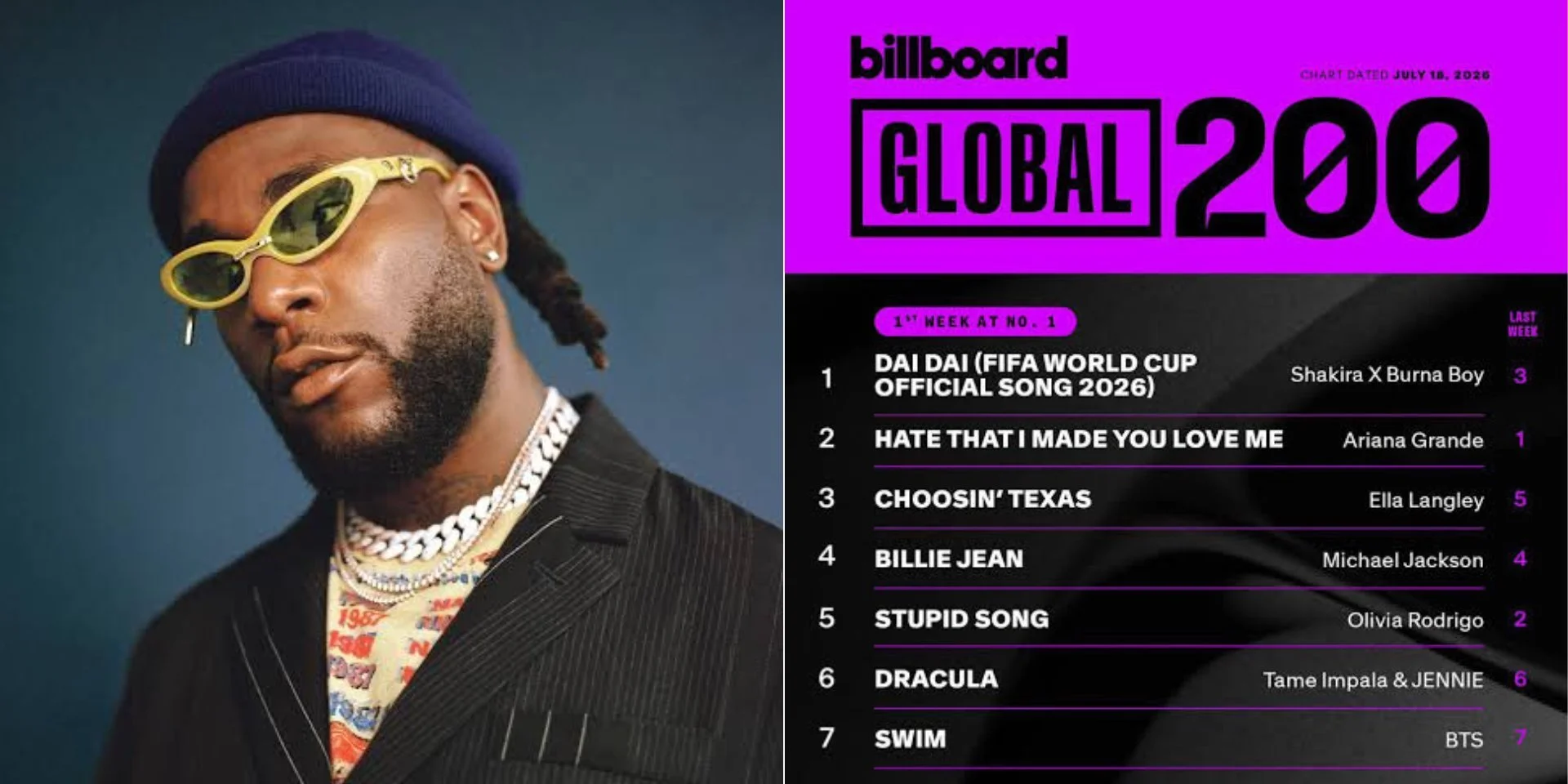
The milestone came after her song “What You Need” made a surprising debut at No. 93 on this week’s chart, pushing her total appearances to seven. The achievement places Tems alongside fellow Nigerian star Burna Boy and South African rock band Seether as the African acts with the highest number of Billboard Hot 100 entries so far.
Tems’ journey on the chart has been marked by groundbreaking moments. In 2022, she became the first African artist to debut at No. 1 on the Billboard Hot 100 through her collaboration with Future and Drake on “Wait For U.” Since then, her steady rise has reflected not only her unique vocal identity but also the expanding global reach of African music.
Industry watchers believe her record may not stand for long, as J. Cole’s upcoming track “Bunce Road Blues,” featuring Tems and Future, is widely expected to debut on the chart next week — a move that could see her pull ahead of Burna Boy and Seether.
An Opinion Worth Celebrating
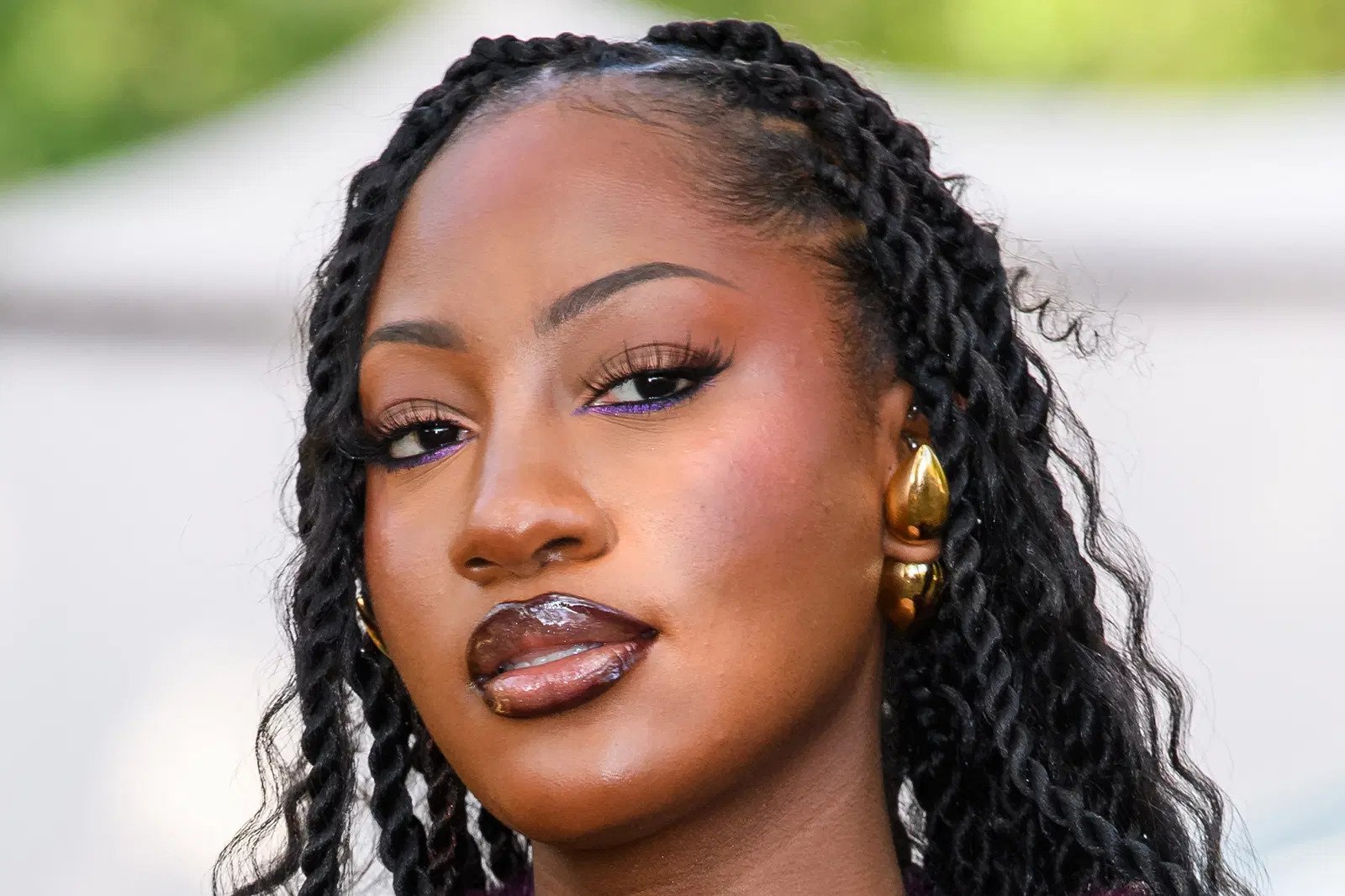
Tems’ achievement goes beyond numbers; it represents a shift in how African female voices are perceived on the global stage. For years, the narrative around African international success was dominated mostly by male artists. Tems has quietly but powerfully changed that conversation, proving that authenticity and artistry can resonate across cultures without losing identity.
What makes her rise particularly inspiring is the consistency behind it. Rather than chasing trends, Tems has built a sound rooted in emotion, storytelling, and subtle experimentation — a formula that continues to win both critical acclaim and mainstream attention.
For young creatives across Africa, especially women in music, her success sends a clear message: global recognition is no longer a distant dream but an attainable reality. As anticipation builds for her next potential chart entry, fans are not just watching a singer climb the rankings — they are witnessing a cultural moment that keeps redefining the possibilities for African music on the world stage.