UEFA Launches Investigation Into Alleged Racial Abuse of Vinícius Júnior During Benfica Clash
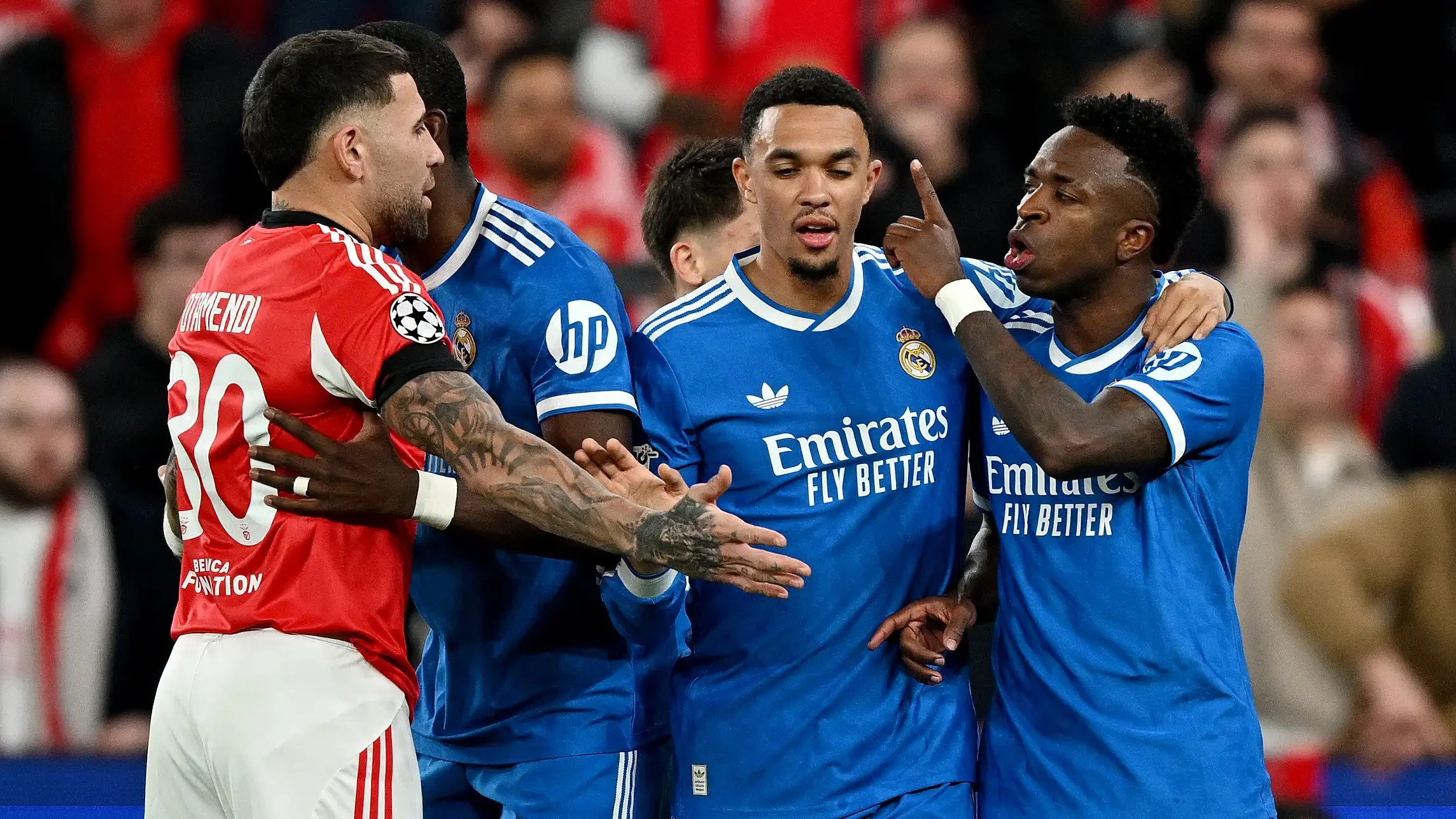
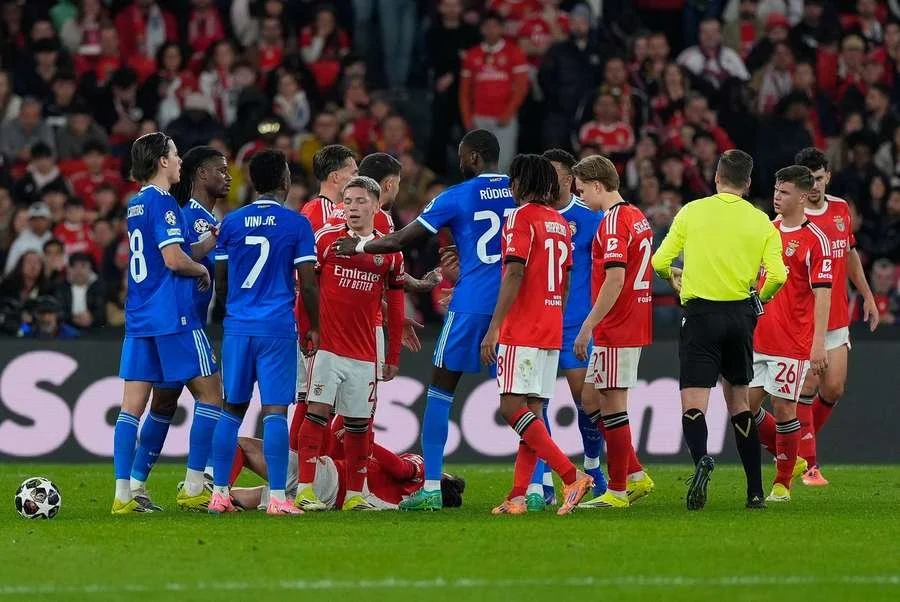
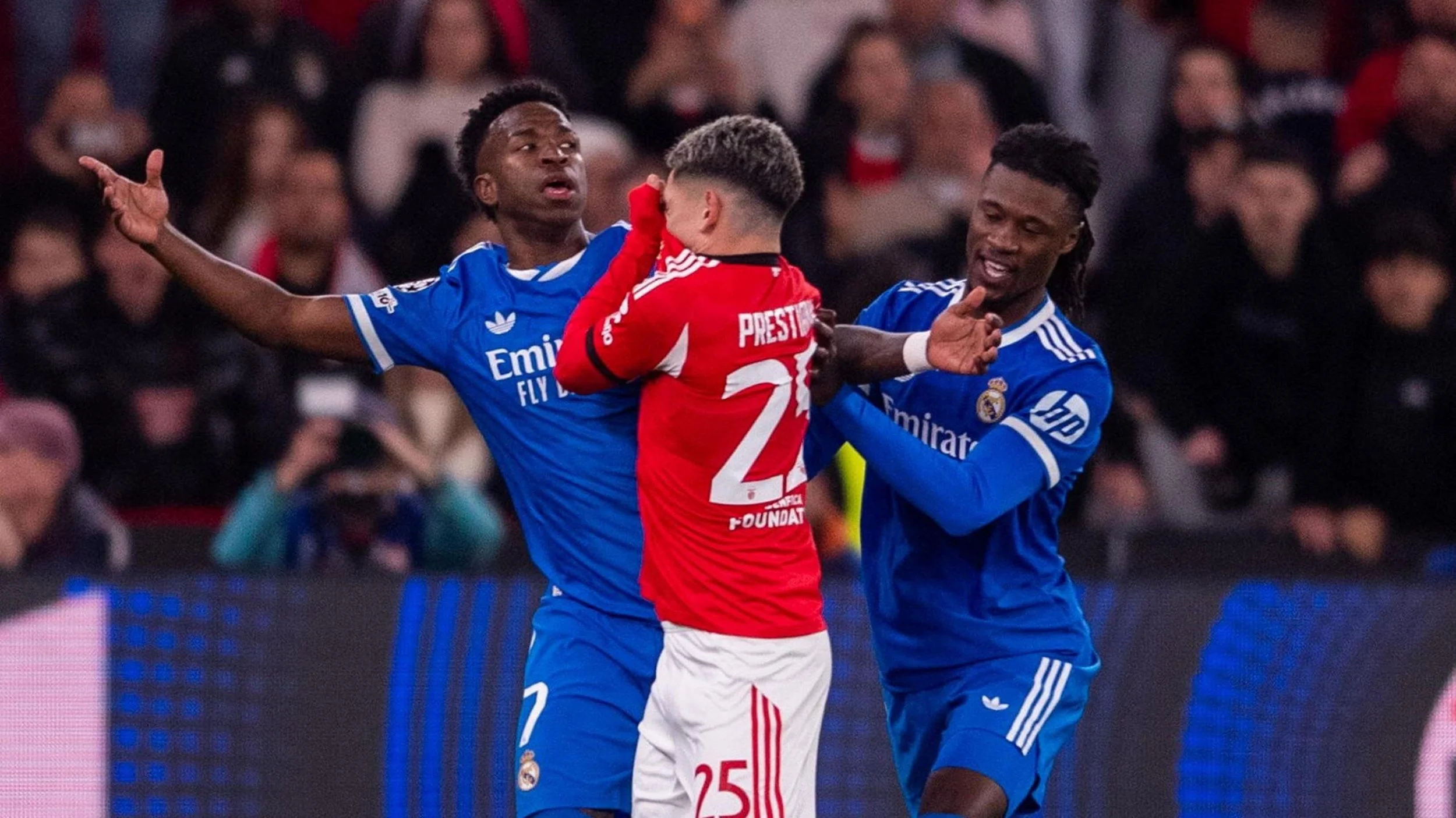
European football governing body UEFA has announced the opening of a formal investigation into allegations of racial abuse involving Vinícius Júnior during Real Madrid CF’s Champions League playoff clash against SL Benfica.
In an official statement released on Wednesday, UEFA confirmed that it has appointed an Ethics and Disciplinary Inspector to examine claims that Benfica winger Gianluca Prestianni directed racial insults toward Vinícius during the Round of 16 playoff first-leg encounter.
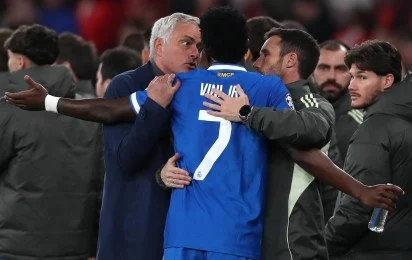
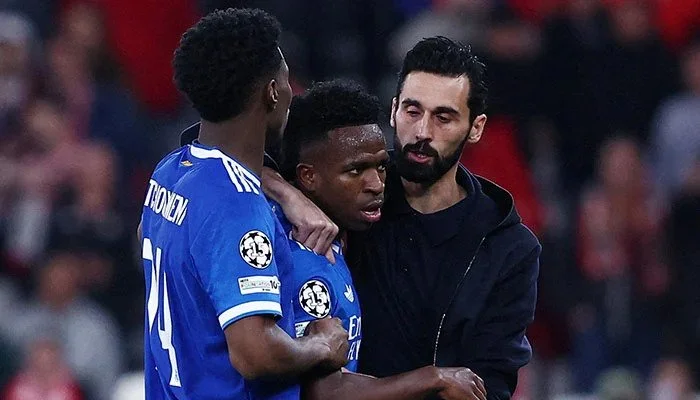
Vinícius alleged that he was subjected to repeated racial abuse during the heated match, while his teammate Kylian Mbappé reportedly corroborated the claim, stating that he heard the term “monkey” directed at the Brazilian on multiple occasions.
However, Prestianni has publicly denied the accusations, taking to social media to insist that his words were misunderstood and misinterpreted.
The outcome of UEFA’s investigation could determine whether disciplinary measures will be taken, as European football authorities continue to face pressure to address racism more decisively within the sport.
Opinion: Another Test for Football’s Commitment Against Racism
This latest incident once again places football at a crossroads between strong rhetoric and meaningful action. For years, Vinícius Júnior has been one of the most visible victims of racial abuse in European football, and every new allegation raises a familiar question: will authorities finally go beyond statements and deliver deterrent consequences?
UEFA’s decision to appoint an independent inspector is a positive procedural step, but credibility will depend on transparency and firmness in whatever verdict emerges. Players need to feel protected, and fans need to see that racism carries real consequences — not just fines or symbolic punishments.
At the same time, fairness remains essential. Investigations must consider evidence objectively, ensuring that accusations and defenses are treated with equal seriousness. Football justice must be both firm and fair to maintain trust in the system.
Ultimately, the sport’s global influence means incidents like this go far beyond one match. They shape how millions perceive football’s values. If respect, equality, and dignity are truly central to the game, then moments like this are when those principles must be proven — not just promised.