Mikel Obi Slams Mourinho’s Comments on Vinicius Racism Row, Calls for Greater Responsibility
Former Super Eagles captain John Mikel Obi has publicly criticised José Mourinho over his reaction to the racism allegations involving Vinícius Júnior during last week’s UEFA Champions League clash.
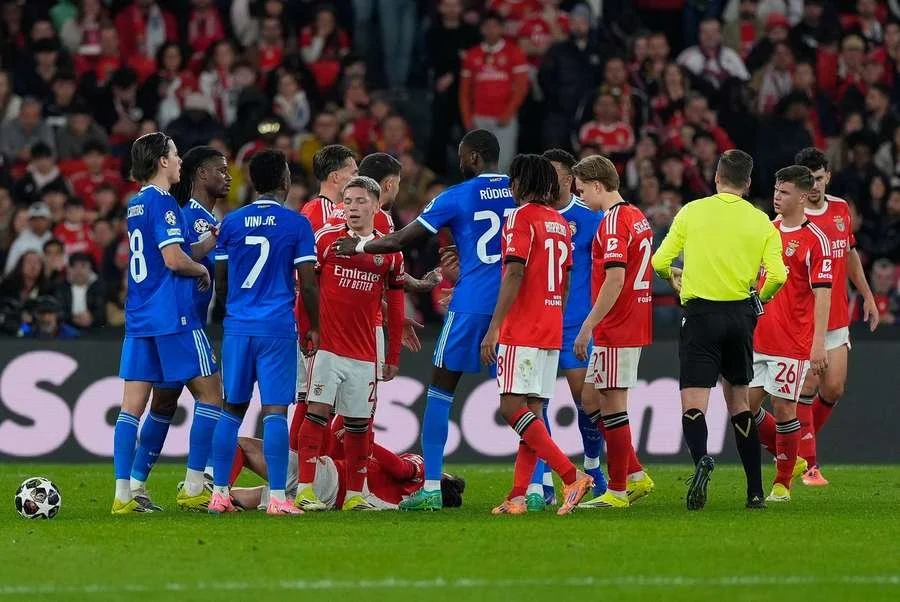
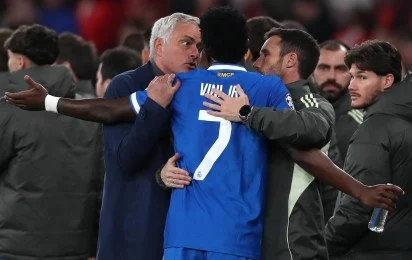
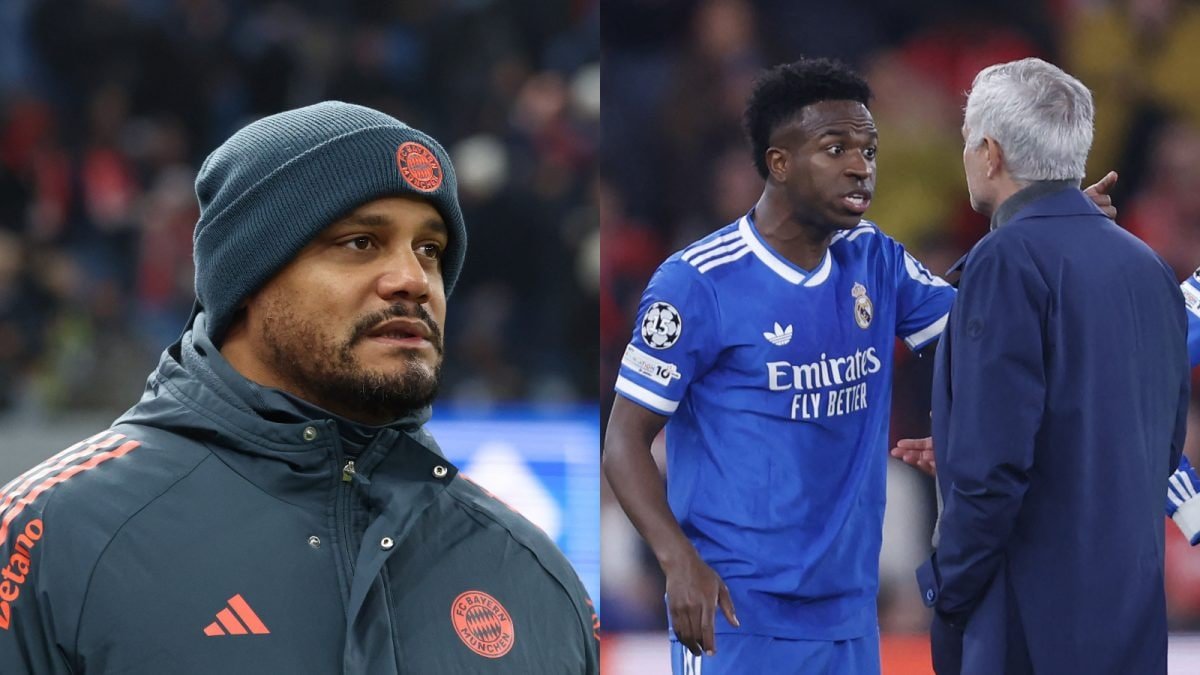
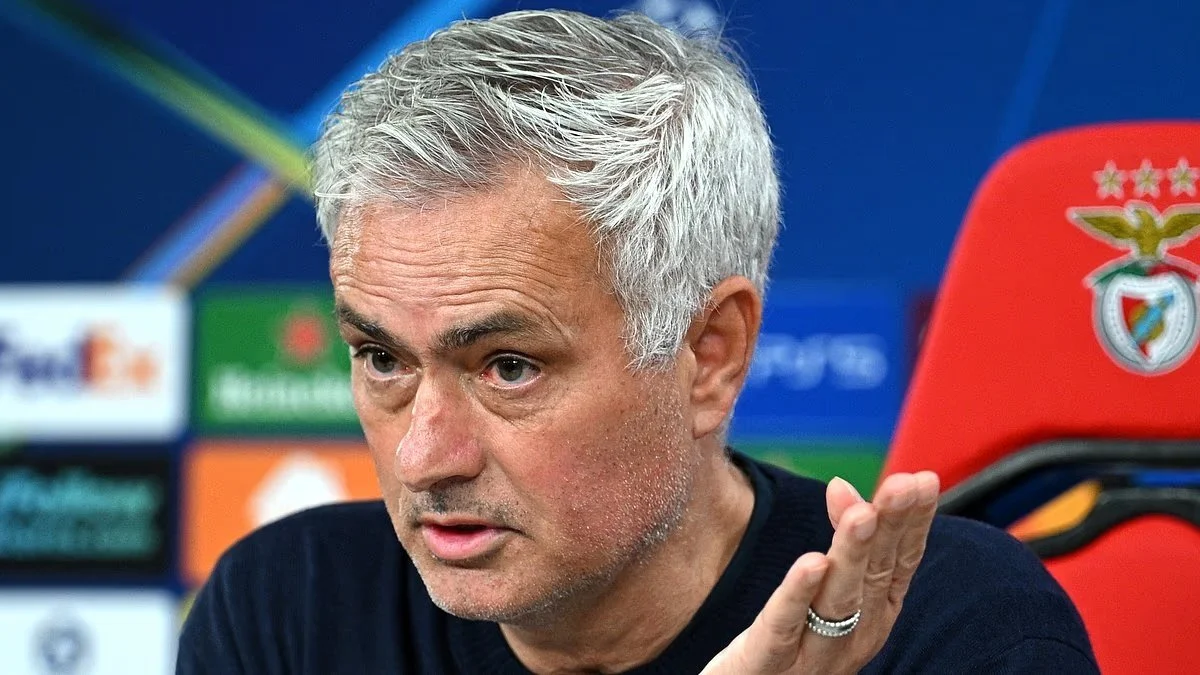
The controversy erupted after the Brazilian winger accused Gianluca Prestianni of racially abusing him during the playoff first-leg encounter against Benfica. Following the match, Mourinho suggested Vinícius may have provoked supporters with his celebrations and referenced club legend Eusébio as evidence that Benfica is not a racist institution.
Speaking on the Obi One Podcast, Mikel—who played under Mourinho during two spells at Chelsea—expressed disappointment at his former manager’s comments.
“What I expected to hear from my old boss, from my gaffer, was that it is under investigation and there is no place for racism,” Mikel said. “For him to say Vinicius shouldn’t have celebrated the way he did—that was a clumsy comment.”
The former midfielder added that Mourinho is intelligent enough to recognise when he has made a mistake, suggesting the Portuguese tactician would likely reflect on his remarks.
Opinion: Football Needs Leadership, Not Deflection
Mikel Obi’s reaction highlights a deeper issue within football: how influential figures respond to allegations of racism matters almost as much as the investigation itself. Managers, players, and institutions shape the tone of the conversation. When responses appear to shift focus toward a victim’s behaviour, it risks undermining the seriousness of discrimination claims.
Mourinho’s legacy as one of football’s most accomplished managers is unquestionable, but moments like this show that leadership extends beyond tactics and trophies. Fans increasingly expect empathy, clarity, and zero tolerance toward racism from football authorities and personalities.
Mikel’s comments, therefore, are not merely criticism of a former coach—they reflect the growing demand for accountability in modern football. And perhaps that is the real story: the sport is evolving, and so are expectations of those who represent it.