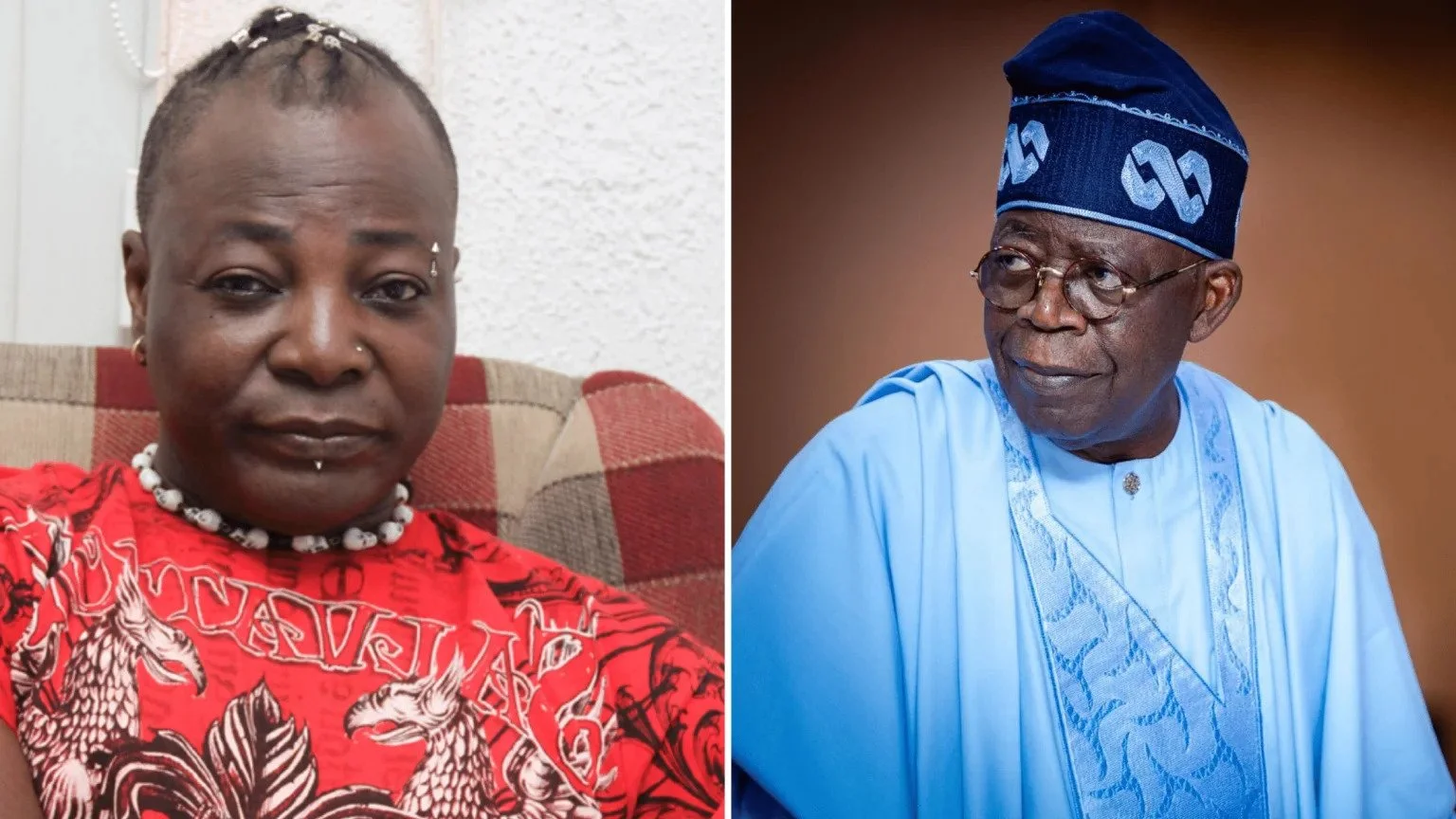
Charly Boy Criticises Bola Ahmed Tinubu Over UK Trip Amid Domestic Challenges
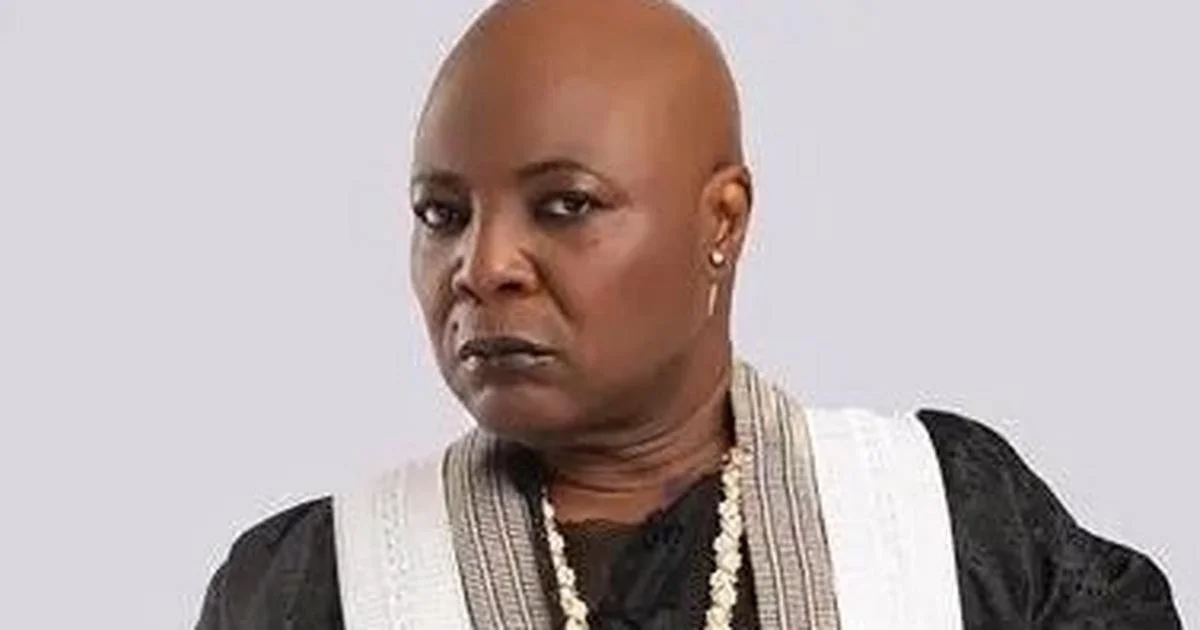
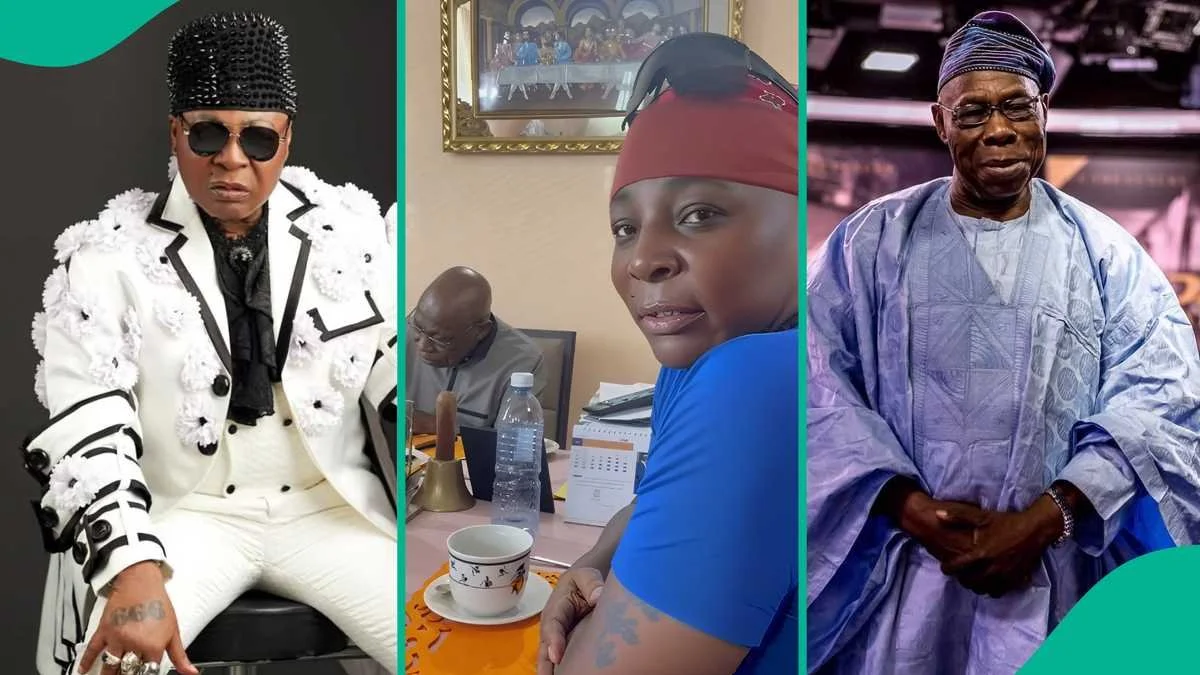
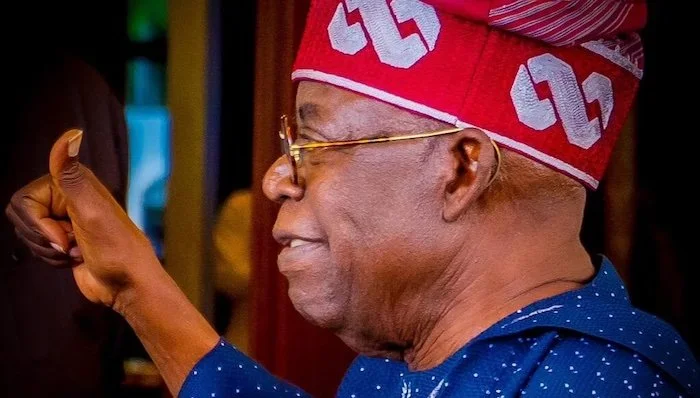
Veteran Nigerian entertainer Charly Boy has publicly criticised President Bola Ahmed Tinubu over his recent visit to the United Kingdom, questioning the timing of the trip amid ongoing challenges in Nigeria.
In a strongly worded post shared on his X (formerly Twitter) page, Charly Boy accused the president of prioritising international engagements while critical issues such as insecurity, unstable electricity, and economic hardship continue to affect Nigerians.
The entertainer also faulted the reported multi-billion dollar agreement between Nigeria and the British government, arguing that such deals may have limited impact if fundamental problems at home remain unresolved.
Using pidgin English to drive his message, Charly Boy expressed frustration over what he described as a disconnect between governance and the everyday realities of citizens. He criticised the size of the delegation that accompanied the president, suggesting it gave the impression of a “group excursion” rather than a focused diplomatic mission.
He further highlighted the persistent security challenges in parts of the country, including Borno State, noting that many citizens continue to face hardship while political leaders engage on the global stage.
Opinion: Optics vs Reality in Governance
Charly Boy’s comments reflect a broader sentiment shared by many Nigerians—growing impatience with leadership that appears more visible abroad than effective at home.
While international diplomacy and agreements are essential for economic growth and global partnerships, their impact is often judged by how they translate into real improvements in citizens’ lives. Without stable electricity, improved security, and economic relief, such deals can feel distant and disconnected from everyday struggles.
However, it is also important to recognise that governance operates on multiple fronts. International engagements can open doors for investment and long-term development. The challenge, therefore, is not the trip itself, but the balance between global diplomacy and urgent domestic action.
Ultimately, leadership is measured not by appearances or announcements, but by tangible results. For many Nigerians, the expectation is simple: visible change at home must match the promises made abroad.