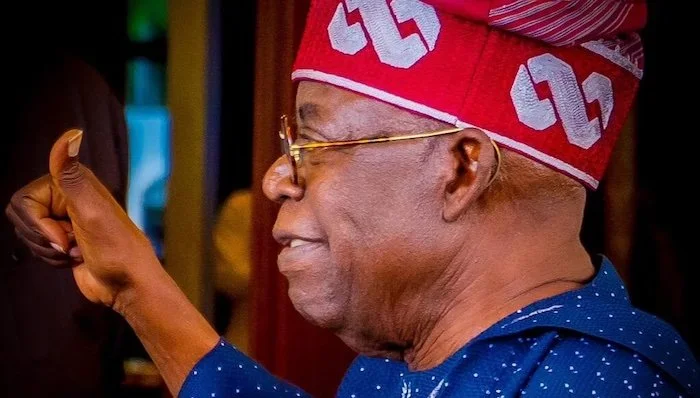
Charly Boy Warns of Tougher Times Ahead, Criticises 2027 Re-Election Talks for Bola Ahmed Tinubu
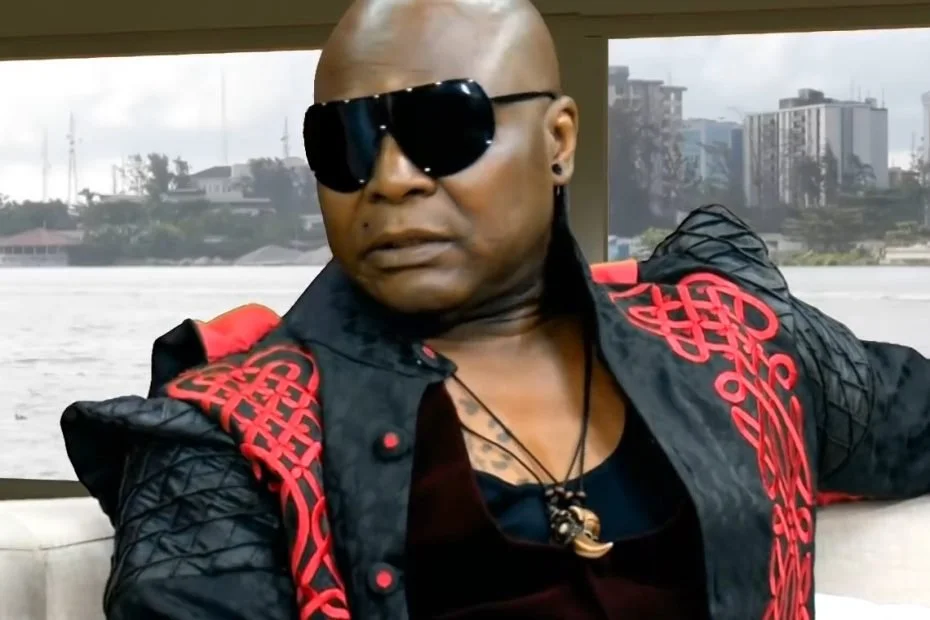
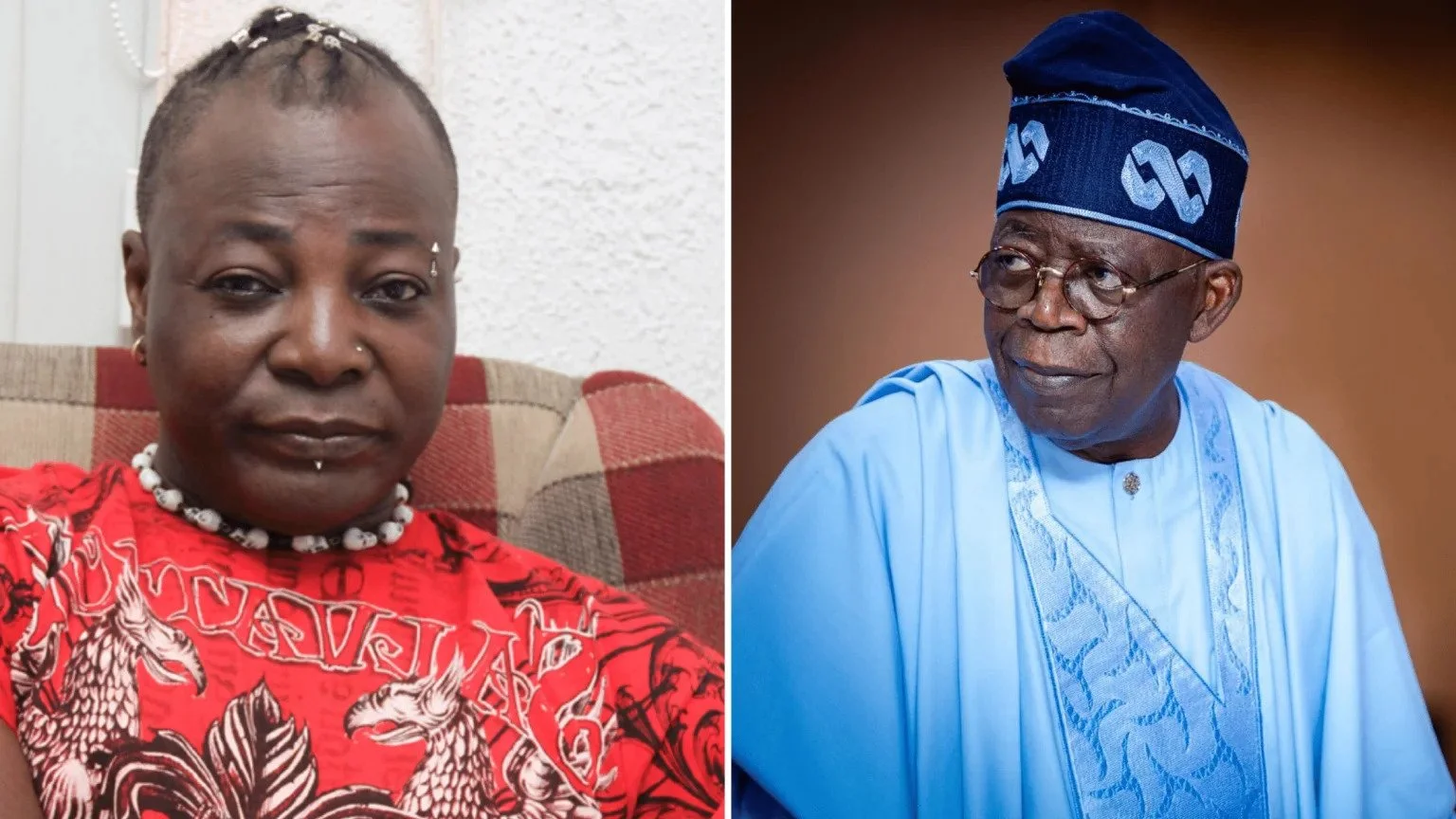
Charly Boy, the veteran entertainer and activist, has sparked fresh political debate after warning that Nigeria’s economic hardship could worsen if Bola Ahmed Tinubu is re-elected in 2027.
In a post shared on his official Facebook page, Charly Boy expressed deep concern about the country’s current trajectory, claiming that Nigerians could face even harsher conditions in the future if leadership does not change.
He also cautioned young voters against being influenced by short-term incentives such as food items and palliatives during elections, urging them to think critically about their long-term future.
“Nigerian youths, what is our plan against 2027… If this man comes back, we will be dying like flies,” he wrote, emphasizing what he described as the urgency of political awareness and engagement.
Charly Boy, who openly supported Peter Obi in the last general election, has remained vocal about governance and economic issues affecting Nigerians.
His comments come at a time when discussions around economic hardship, inflation, and governance continue to dominate public discourse across the country.
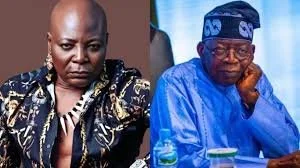
Opinion: Between Frustration and Responsibility
Charly Boy’s statement reflects a level of frustration that many Nigerians can relate to—but it also raises important questions about how public figures communicate during tense political moments.
On one hand, his message taps into genuine concerns. Rising costs of living, unemployment, and economic uncertainty have made everyday life more difficult for many citizens. In that context, strong language can be seen as an attempt to wake people up to the seriousness of the situation.
However, phrases suggesting extreme outcomes risk creating fear rather than constructive engagement. Political conversations are most effective when they inform, mobilize, and encourage thoughtful participation—not when they amplify panic.
The more important part of his message may actually be his warning against vote-buying. That speaks directly to a long-standing issue in Nigerian elections—where short-term gains often outweigh long-term national interest.
As 2027 approaches, the real challenge is not just about who wins, but how Nigerians choose. If voters prioritise accountability, policies, and competence over temporary benefits, the political landscape could shift meaningfully.
In the end, voices like Charly Boy’s play a role in shaping public opinion—but the responsibility for change ultimately lies with the electorate.