Babayaro Explains Why Kayode Is Leaning Toward Italy Over Nigeria
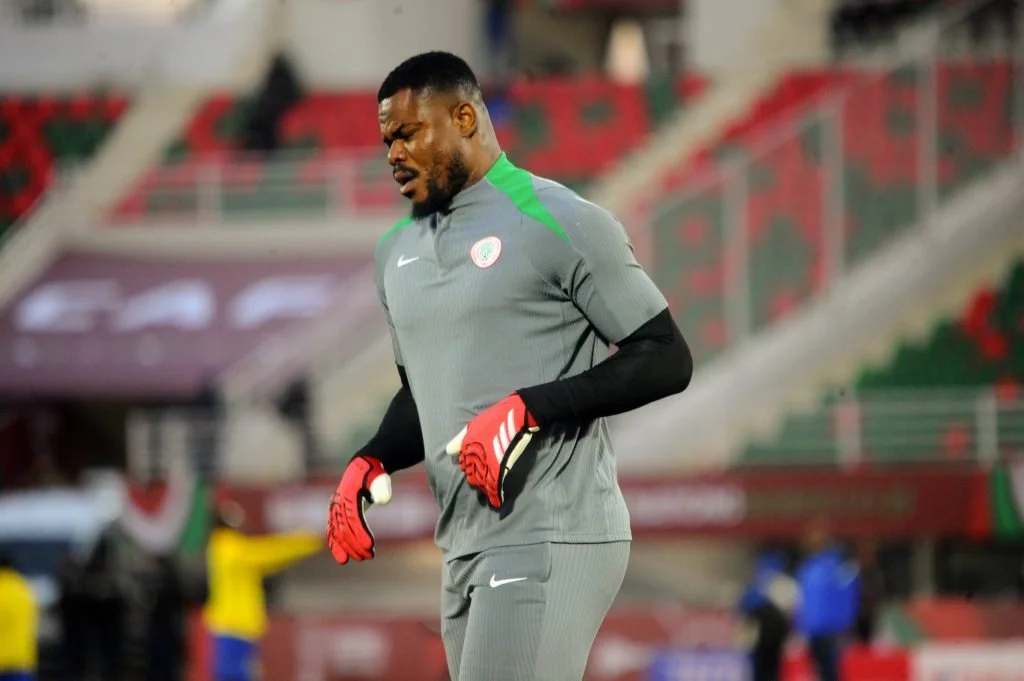
Former Super Eagles goalkeeper Emmanuel Babayaro has shared his thoughts on why Michael Kayode is prioritising an international career with Italy ahead of Nigeria.
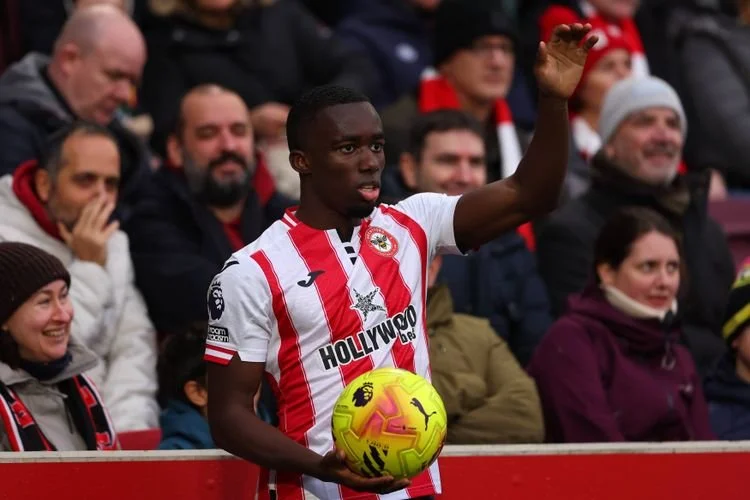
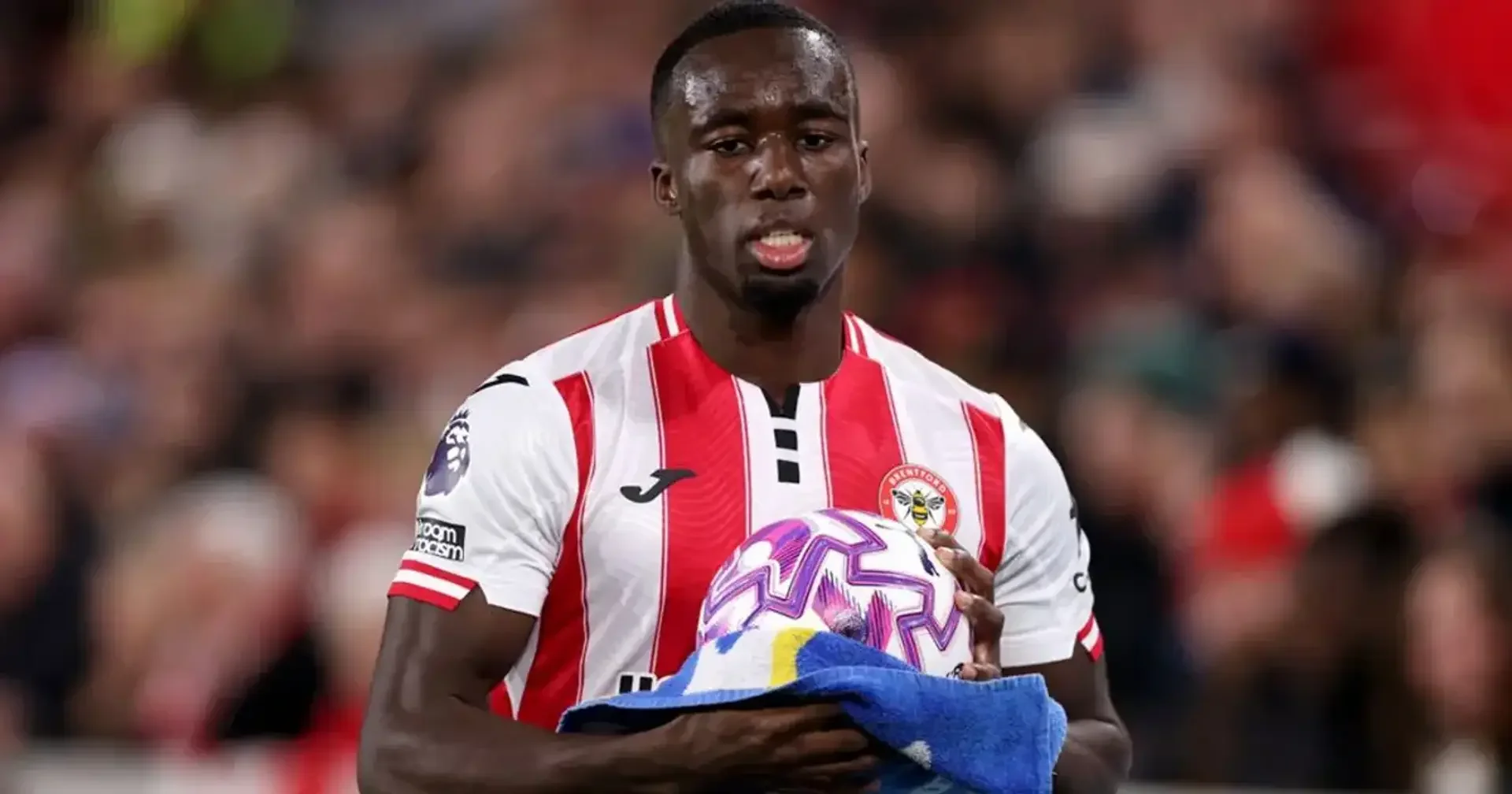
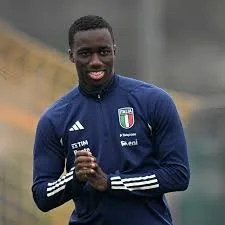
Kayode, who currently plays for Brentford, recently expressed his desire to represent the Italian senior national team, while still acknowledging his Nigerian roots.
Reacting to ongoing efforts by the Nigeria Football Federation to convince the young defender, Babayaro suggested that the decision is largely influenced by Italy’s footballing pedigree and global appeal.
Speaking on the ATHLST podcast, Babayaro noted that many dual-nationality players often gravitate toward countries where they perceive football to be more established and competitive.
He added that Nigeria sometimes ends up attracting players only after they fail to secure opportunities with their preferred national teams — a situation he described as settling for “leftovers.”
🧠 Opinion: A Hard Truth Nigeria Must Confront
Babayaro’s comments may sound blunt, but they reflect a reality Nigeria has struggled with for years.
For many dual-national players, the decision isn’t just emotional — it’s strategic. Playing for countries like Italy offers greater exposure, structured development, and consistent participation at the highest levels of international football.
This doesn’t mean Nigeria lacks talent. In fact, the country consistently produces top players. The issue is perception and structure — from youth development to administration and long-term planning.
Babayaro’s “leftovers” remark is particularly striking because it challenges the system to improve rather than blame the players. If Nigeria wants to attract top dual-national talents early, it must create an environment that is competitive, stable, and appealing.
At the same time, players like Kayode are making career decisions, not emotional statements. Choosing Italy doesn’t necessarily mean rejecting Nigeria — it means choosing what they believe offers the best platform.
Ultimately, this is a wake-up call. If Nigerian football wants to compete globally, it must not only produce talent but also create a system that convinces players they don’t need to look elsewhere.