DeeOne Sparks Debate, Claims Most Nigerian Protests Are Politically Sponsored
DeeOne has stirred controversy after claiming that a large majority of protests in Nigeria are driven by political interests rather than genuine public grievances.
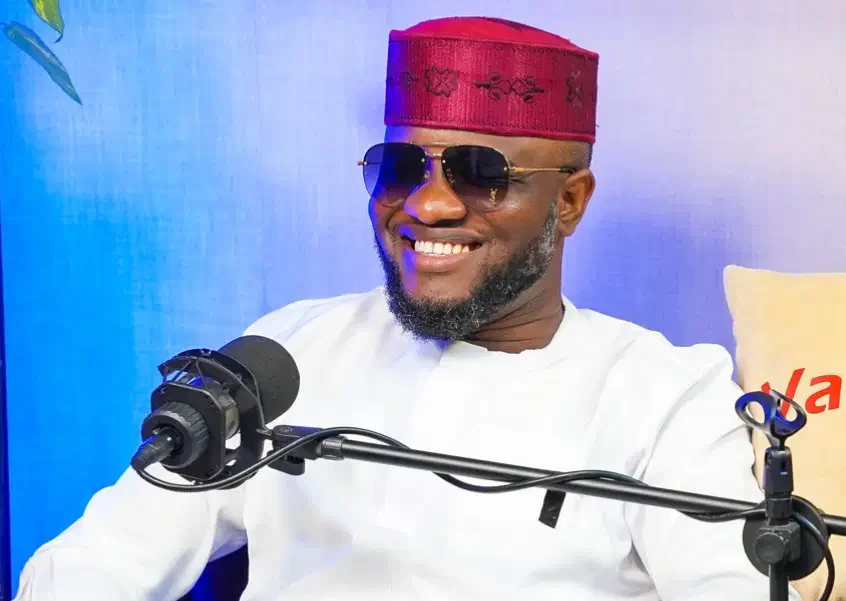
Speaking on a Vanguard podcast aired on April 21, 2026, the comedian alleged that “about 90 per cent of protests in Nigeria are politically sponsored.” According to him, many demonstrations are influenced or funded by powerful figures seeking to advance specific agendas or weaken their opponents.
DeeOne argued that this trend makes it increasingly difficult for citizens to distinguish between authentic grassroots movements and those orchestrated behind the scenes. “There’s always an agenda behind most of them,” he said.
His remarks have since sparked mixed reactions across social media. While some Nigerians agreed with his perspective, others strongly disagreed. One user, @NaijaCitizenX, pushed back against the claim, insisting that many protests stem from real frustration, hunger, and hardship rather than political manipulation.

Opinion: Between Cynicism and Reality
DeeOne’s statement touches on a sensitive and complex issue. It’s true that in many countries—including Nigeria—political actors sometimes try to influence or take advantage of public movements. But saying that 90% of protests are sponsored feels like an oversimplification of a much deeper reality.
Protests often come from genuine pain—economic struggles, governance issues, and social injustice. Dismissing them as mostly “sponsored” risks ignoring the real voices behind them. At the same time, it’s also fair to acknowledge that not every protest is entirely free from political influence.
The truth likely sits somewhere in between. Some protests are organic, others may have hidden backing, and many exist in a grey area where both public frustration and political interests overlap.
What matters most is not just questioning who is behind a protest, but also listening to what people are actually saying. Because even when politics is involved, it doesn’t automatically mean the issues being raised aren’t real.