Fat Joe Sparks Debate After Claiming Afrobeats Originated from Jamaica
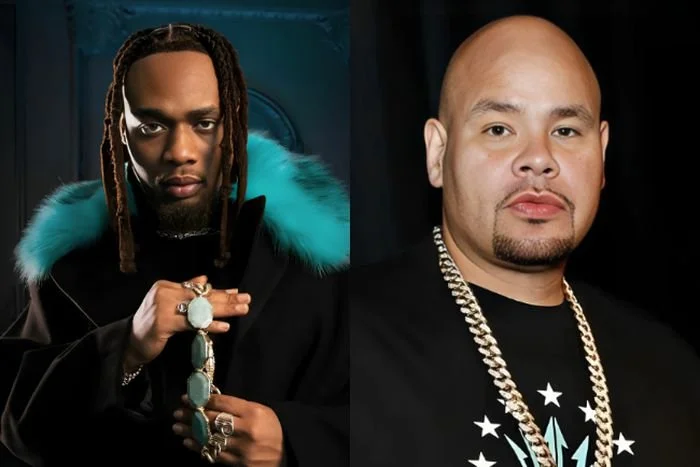
Fat Joe has stirred controversy after claiming that Afrobeats originated from Jamaica, a statement that has drawn widespread reactions across the global music community.
The rapper made the remark during a recent episode of the Joe and Jada podcast, which featured Jamaican dancehall star Buju Banton. “Jamaica started Afrobeats. Even though everything comes from Africa,” Fat Joe said during the discussion.
Banton did not directly challenge the claim during the conversation, instead shifting focus to the evolution of Caribbean music, including the role of El General in pioneering reggaeton.
However, Fat Joe’s statement contradicts widely accepted music history. Afrobeats, as a modern genre, is generally recognized as originating from West Africa, particularly Nigeria and Ghana, and draws heavy influence from Afrobeat—a genre pioneered by Fela Anikulapo-Kuti.
The comments have reignited ongoing debates about cultural influence and ownership in global music. Notably, Buju Banton had previously criticized Afrobeats artists, accusing them of borrowing from Jamaican reggae and dancehall without proper acknowledgment, while also questioning the genre’s long-term substance.

Opinion: Influence Is Real, But Origins Matter
There’s no denying that Jamaican music—especially reggae and dancehall—has influenced global sounds, including Afrobeats. But influence and origin are not the same thing, and confusing the two often leads to unnecessary tension.
Afrobeats is a product of African creativity, shaped by local rhythms, languages, and culture, even as it borrows elements from across the world. That’s how music evolves—it’s a conversation, not a one-way street.
Fat Joe’s comment feels less like a historical argument and more like a misunderstanding of how genres develop. At the same time, Buju Banton’s earlier criticisms reflect a broader concern among some Caribbean artists about recognition and credit.
The reality is more balanced: Afrobeats didn’t come from Jamaica, but it has definitely been influenced by it—just as it has influenced others in return.
In the end, instead of arguing over ownership, the bigger picture is collaboration and mutual respect. Because global music today is less about where something started and more about how it continues to grow.