Qing Madi Accuses Former Label of Sabotage Over “Pepper Me” Takedown
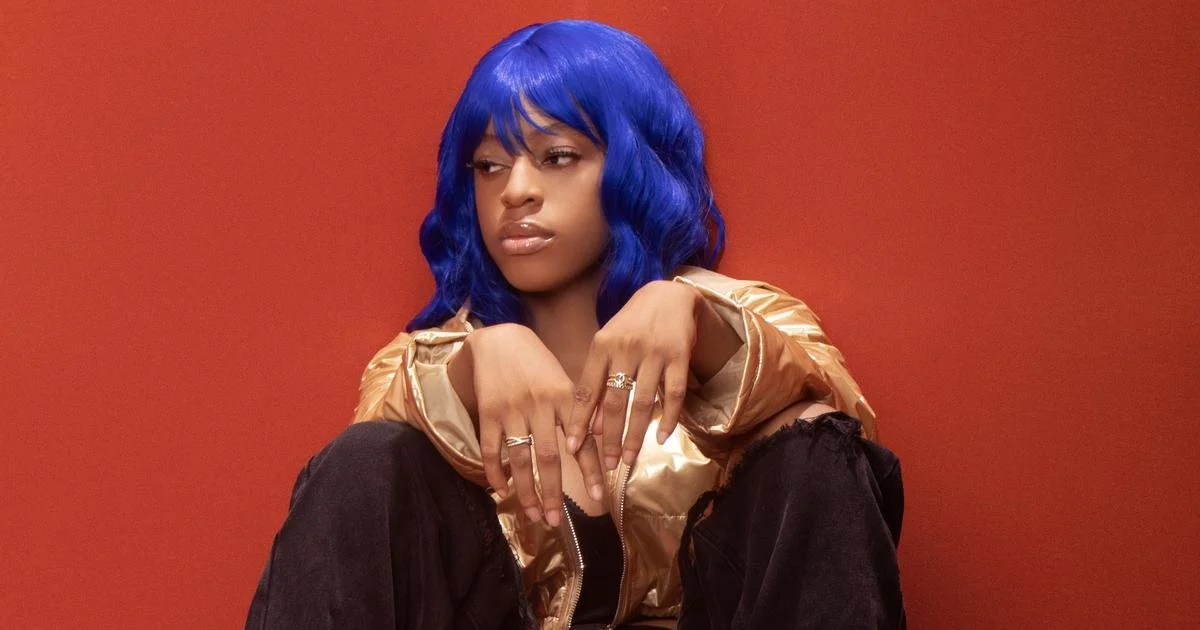
Qing Madi has publicly accused her former record label, JTon Music, of attempting to sabotage her music career following the removal of her latest collaboration with Zinoleesky titled “Pepper Me” from Spotify.
In a series of posts shared on Instagram on Tuesday, the 19-year-old singer alleged that the label orchestrated the song’s takedown shortly after a legal dispute between both parties. She claimed the label had previously filed a $1 million lawsuit against her, which she said they lost.
Qing Madi further alleged that her former label is deliberately targeting her career, drawing parallels to past industry controversies involving other artists. She referenced the well-publicized struggles of Cynthia Morgan, suggesting similar patterns of alleged industry mistreatment.
Expressing frustration, she wrote that it was painful to see attempts being made to hinder her progress despite her decision not to give up on her career.
She also vowed to take steps to ensure the song is restored on streaming platforms. As of now, JTon Music has not publicly responded to the allegations.

Opinion: Power Struggles and the Fragile Side of the Music Industry
Qing Madi’s situation highlights a recurring tension in the music business—control versus creativity.
For many young artists, record labels are both a stepping stone and a potential source of conflict. While labels provide structure, funding, and distribution, disputes often arise when contracts, ownership, or artistic direction become points of disagreement.
Her comparison to earlier industry cases shows how quickly narratives of “sabotage” can spread, especially in an era where social media amplifies every dispute. However, without official responses from both sides, it’s difficult to separate perception from verified fact.
What is clear, though, is that young artists need stronger protection and clearer contracts as they navigate an increasingly competitive industry. Success today is not just about talent—it’s also about legal awareness and business understanding.
Ultimately, the music may be the final judge. If “Pepper Me” finds its way back to listeners and continues to grow, it may matter less where the obstacles came from—and more how the artist responded to them.