Fernandez Faces Chelsea Sanction as Agent Slams ‘Unfair’ Punishment
Chelsea midfielder Enzo Fernández has been handed a two-match suspension by Chelsea following comments about a potential future life in Madrid—sparking criticism from his camp.
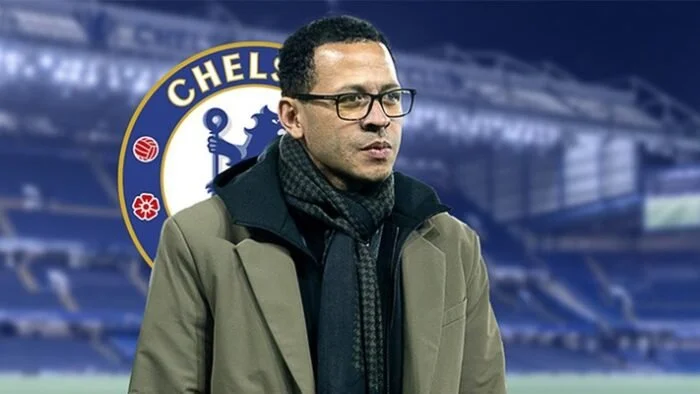
Blues manager Liam Rosenior confirmed during a pre-match press conference that the Argentine will miss the club’s upcoming fixtures, including an FA Cup quarter-final clash against Port Vale and a crucial Premier League showdown with Manchester City.
The disciplinary action comes after Fernández reportedly expressed interest in living in Madrid at some point in the future. However, his agent, Javier Pastore, has strongly defended the midfielder, insisting his comments have been misinterpreted.
“The punishment is completely unfair,” Pastore told The Athletic.
“Enzo didn’t understand the situation. He did not mention any club or say he wants to leave Chelsea… He only mentioned Madrid, the city.”
Pastore clarified that Fernández was merely responding to a general lifestyle question about European cities and did not indicate any desire to leave London or force a move away from Chelsea.

Opinion: Overreaction or Necessary Discipline?
Chelsea’s decision raises an important question about modern football: where do we draw the line between personal expression and professional responsibility?
On one hand, clubs are justified in protecting their image and maintaining dressing-room focus—especially in a high-pressure environment where even small distractions can spiral into transfer speculation and media frenzy. From that perspective, Chelsea’s move could be seen as a firm message about commitment.
But on the other hand, this situation feels like an overreaction. Fernández didn’t mention leaving the club, nor did he flirt with another team. Expressing admiration for a city should not automatically be interpreted as disloyalty. Footballers, like anyone else, are allowed to have personal preferences and future dreams.
The bigger issue here may be how quickly narratives escalate in modern football. A simple comment can be blown out of proportion, forcing clubs into defensive decisions that may not always reflect the full context.
If anything, this incident highlights the need for better communication rather than punishment. Instead of sidelining a key player, a private conversation might have achieved the same goal—without creating unnecessary tension.
In the end, how Chelsea handles the aftermath will matter more than the punishment itself. Because in a season where every game counts, sidelining talent over misinterpretation could prove more costly than the comment that caused it.