Gianni Infantino Confirms Iran’s World Cup Participation Amid Travel Controversy
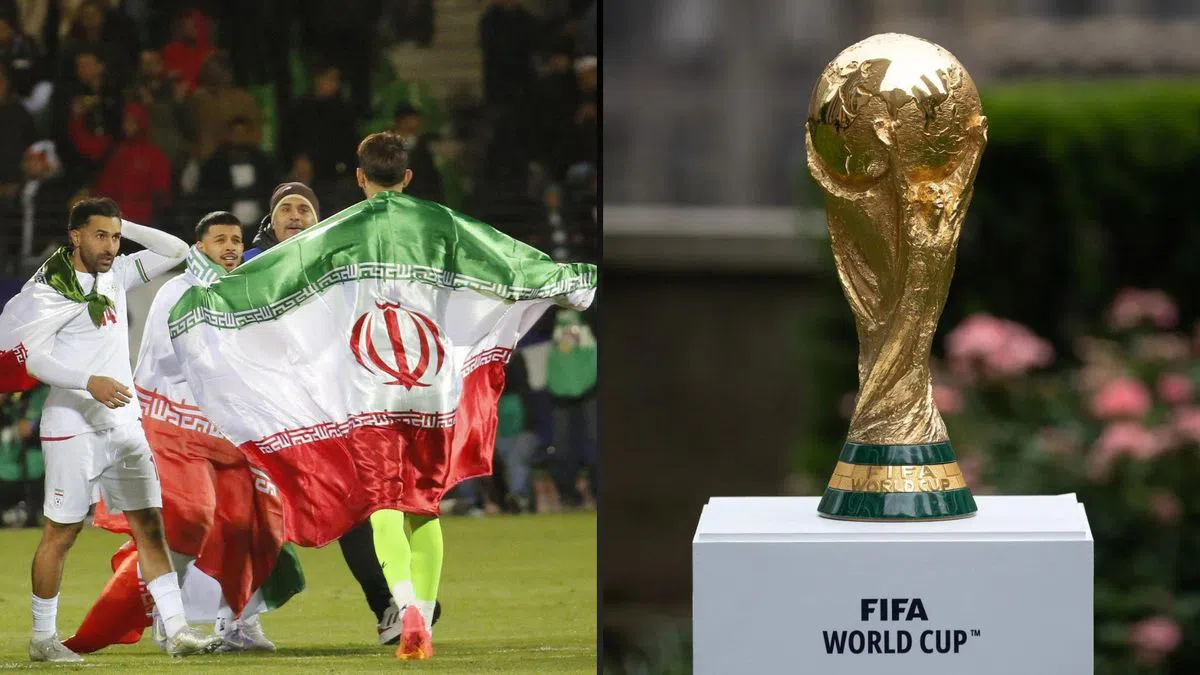
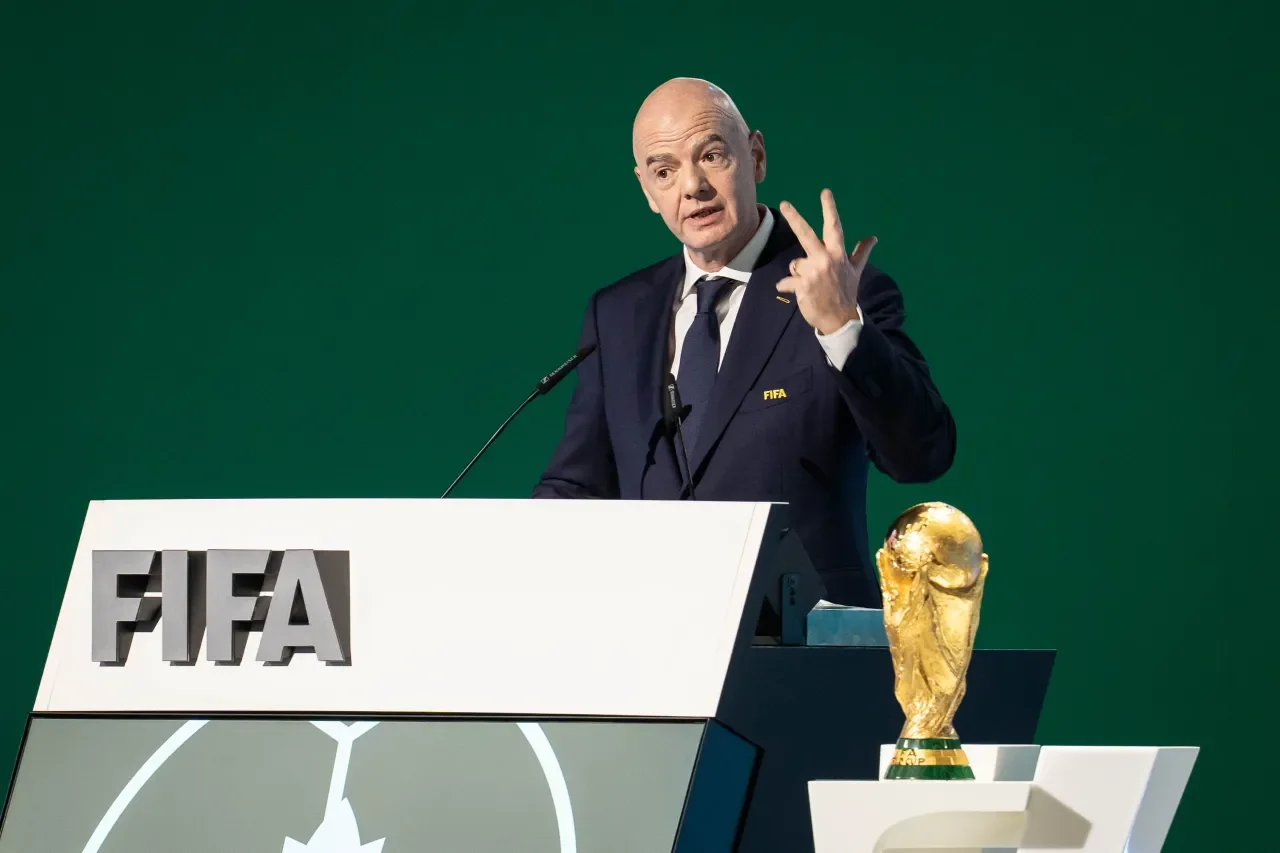
FIFA President Gianni Infantino has reaffirmed that Iran national football team will participate in the 2026 FIFA World Cup, despite recent controversies surrounding the country’s absence from a FIFA congress in Canada.
The issue arose after members of the Iranian Football Federation faced travel complications, with one delegate reportedly denied entry into Canada and others choosing to boycott the event in protest. FIFA described the situation as “regrettable,” noting that while Iran was invited, entry decisions ultimately rest with host nations.
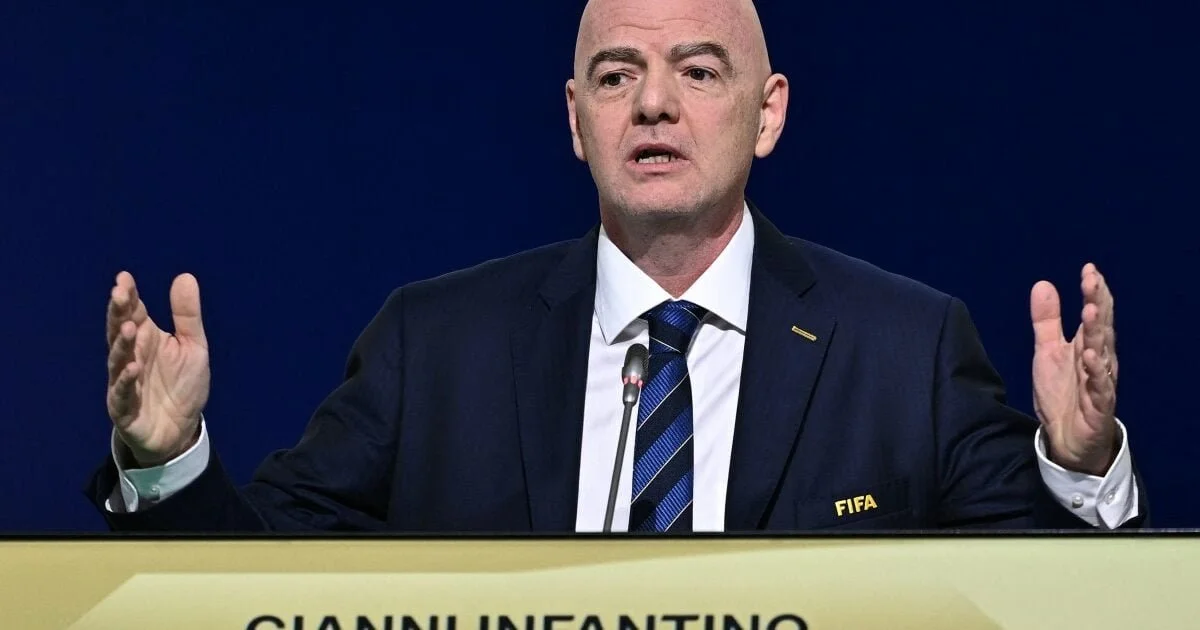
Speaking publicly, Infantino emphasized unity and inclusion as central to football’s global mission.
“Iran will indeed be participating in the FIFA World Cup 2026,” he stated. “We must unite. There are enough divisions in the world—we need to bring people together.”
Iran is scheduled to begin their World Cup campaign against New Zealand national football team in Los Angeles on June 15, before facing Belgium national football team and Egypt national football team in the group stage.
However, concerns remain over possible immigration restrictions, particularly in the United States, where some Iranian officials may face scrutiny due to political affiliations.
In a separate development, Infantino defended FIFA’s ticketing strategy, revealing that over 500 million ticket requests have been received for the tournament, with 90% of available tickets already sold. He also disclosed that FIFA expects to generate $14 billion in revenue for the 2023–2026 cycle, a 20% increase from the previous period.
Opinion: Football’s Power to Unite—But Politics Still Looms Large
Gianni Infantino’s message is clear: football should be a unifying force. And in theory, the World Cup is one of the few global events capable of bringing together nations despite political differences.
However, the situation involving Iran national football team highlights a reality that cannot be ignored—football does not exist in isolation from global politics.
While players may be welcomed, the complications faced by officials show how geopolitical tensions can still influence participation behind the scenes. This creates a delicate balance between inclusivity and national policies, especially when tournaments are hosted across multiple countries.
Infantino’s optimism is admirable, but execution will be the real test. Ensuring that all qualified teams can participate without disruption requires more than statements—it requires coordination between governments, football bodies, and international institutions.
On another note, FIFA’s record-breaking ticket demand and revenue projections underline the growing commercial power of the World Cup. But with that growth comes scrutiny, especially around ticket pricing and accessibility for ordinary fans.
In the end, the 2026 World Cup may not just be remembered for football—it could also become a defining moment in how the sport navigates politics, inclusion, and global expectations.