RMD Joins Campaign Against Gender-Based Violence, Calls for Greater Respect and Inclusion of Women
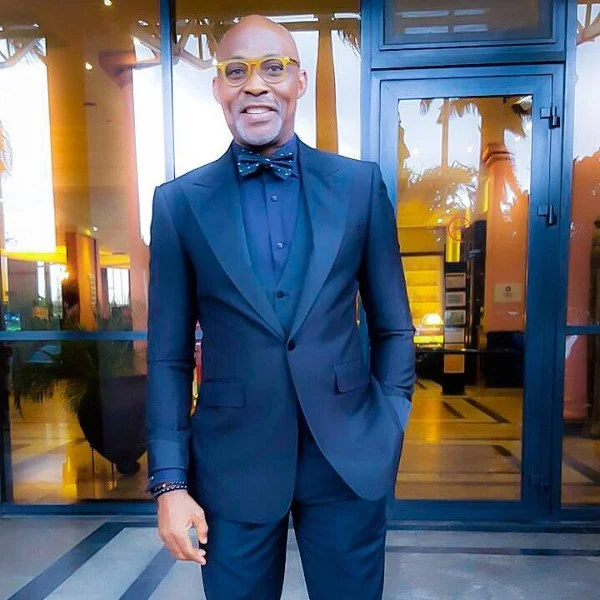
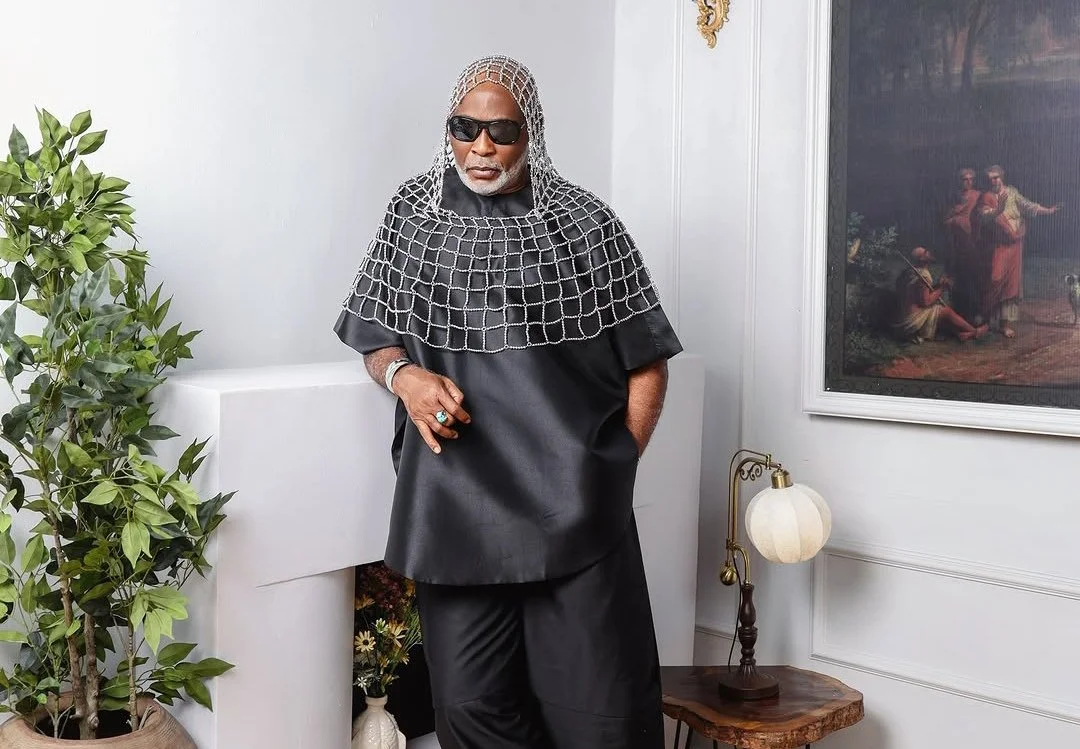
Veteran Nollywood actor Richard Mofe-Damijo (RMD) has added his voice to the campaign against gender-based violence (GBV), urging Nigerian men to treat women with dignity, respect and equality.
The celebrated actor made the call in Abuja after emerging as a key stakeholder in the Male Feminists Network, where he emphasized that ending violence against women requires the active participation of men.
Speaking at the event, the 65-year-old actor advocated for greater inclusion of women in leadership, particularly within government, arguing that women have consistently demonstrated competence in positions of responsibility.
Drawing from his own experience in the film industry, RMD revealed that he intentionally worked with a crew made up of about 80 percent women on one of his productions, describing it as evidence of the confidence he has in women's abilities.
"If you want to have anything done in government, put a woman in charge," he said, while encouraging society to create more opportunities for female leadership.
Beyond representation, RMD challenged men to abandon attitudes that reduce women to objects, stressing that respect should be the foundation of every relationship.
He maintained that disagreements or attempts at correction should never result in physical violence, urging men to embrace dialogue instead of aggression.
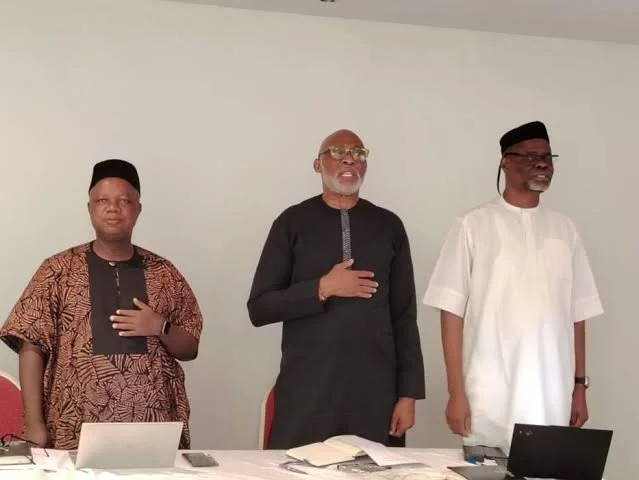
The veteran actor further noted that the struggle against gender-based violence should not be left to women alone, insisting that men have a responsibility to confront harmful behaviours, challenge discriminatory systems and support organizations advocating for women's rights.
Also speaking at the event, public affairs analyst and gender advocate Dr. Otive Igbuzor highlighted the important role that traditional rulers, community influencers and religious leaders can play in preventing gender-based violence through advocacy and education.
Opinion
RMD's intervention is significant because conversations about gender-based violence become more impactful when respected male voices actively participate. While women have long championed the cause, sustainable progress requires men to challenge harmful stereotypes, reject violence and promote healthier models of masculinity.
His message also broadens the conversation beyond physical abuse by addressing respect, inclusion and equal opportunity. Ending gender-based violence is not only about punishing offenders—it is equally about building a culture where women are valued, heard and treated as equal partners in every sphere of society.