World Cup Fallout Deepens as Nine Coaches Exit After Tournament Eliminations
The 2026 FIFA World Cup has continued to reshape the international football landscape, with at least nine national team coaches leaving their positions following their countries' exits from the tournament.
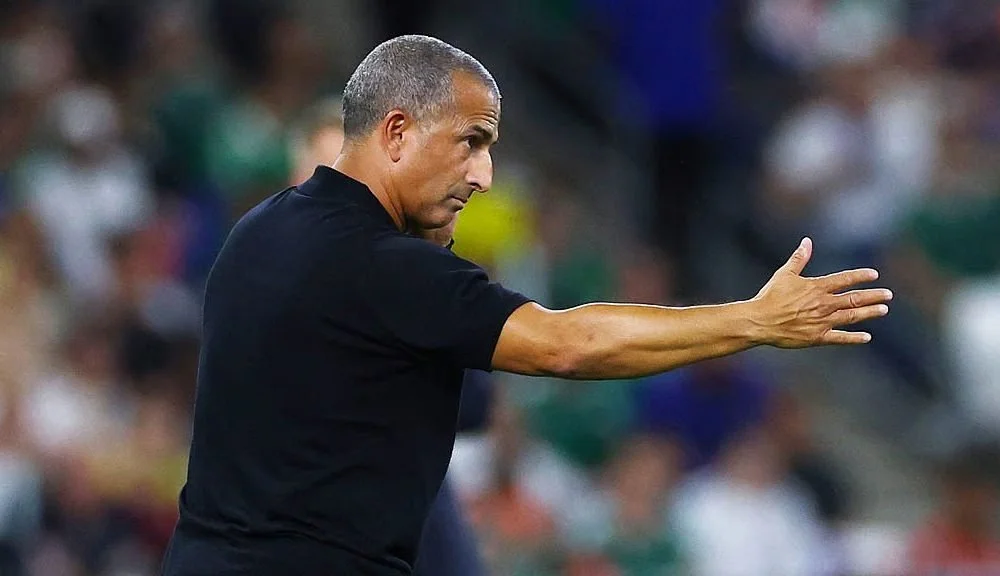
The latest managerial casualty is Zlatko Dalić, who has stepped down as head coach of Croatia national football team after the team's 2-1 defeat to Portugal national football team in the Round of 32.
Confirming the development, the Croatian Football Federation announced that Dalić had chosen to bring an end to his nearly nine-year spell in charge of the national team, describing his tenure as one of the most successful eras in Croatian football history.
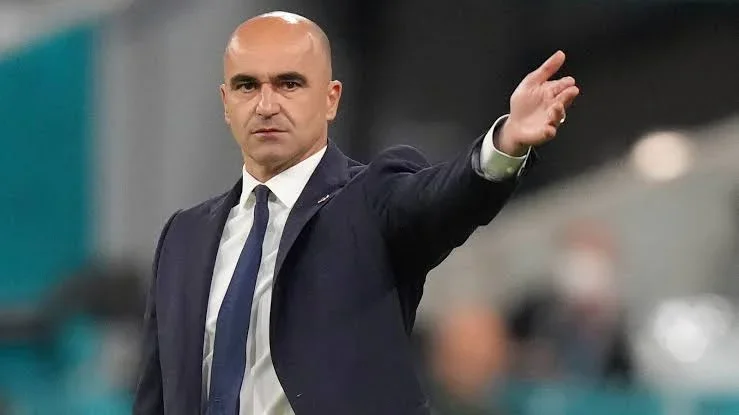
Dalić's resignation came just days after Roberto Martínez also left his role as Portugal head coach following the country's World Cup campaign.
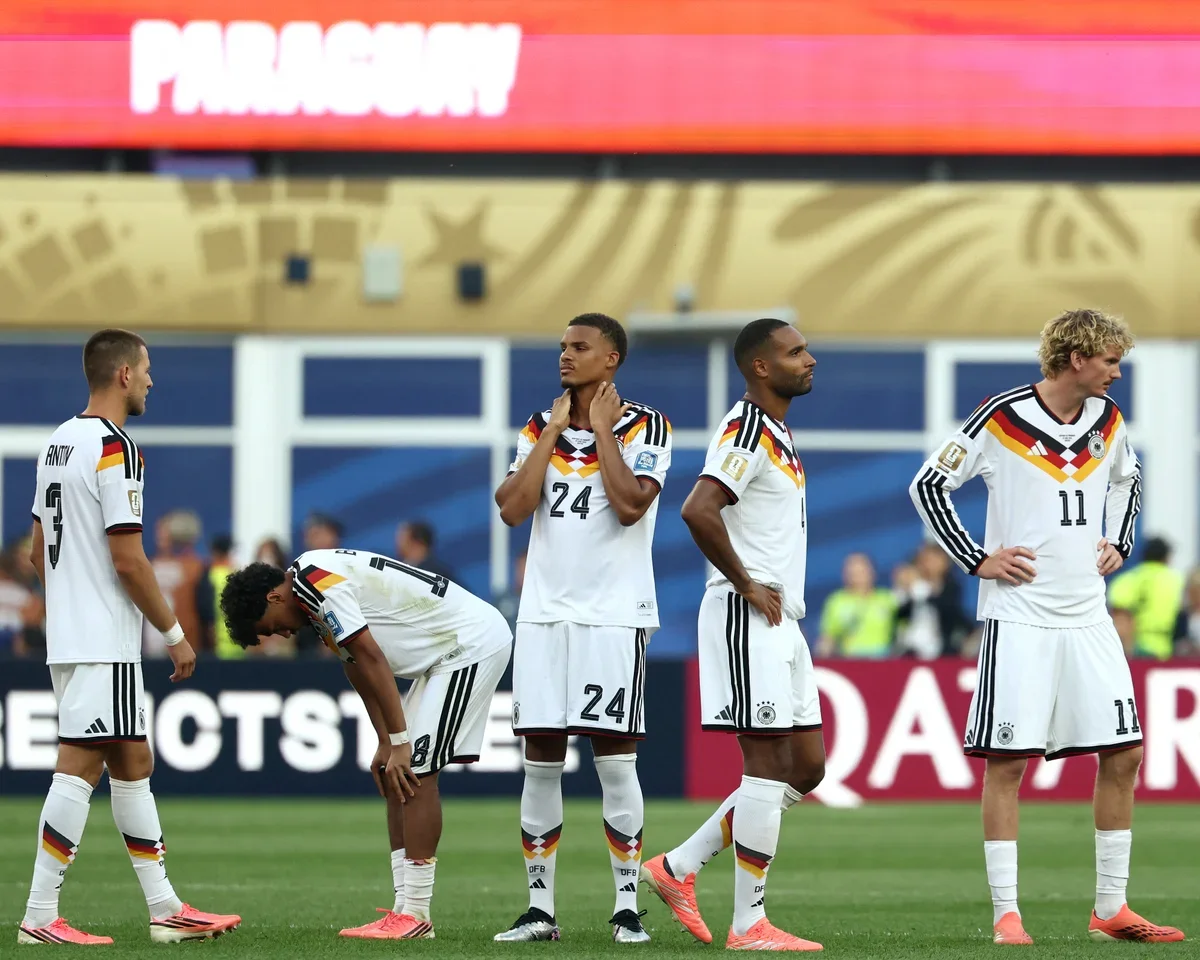
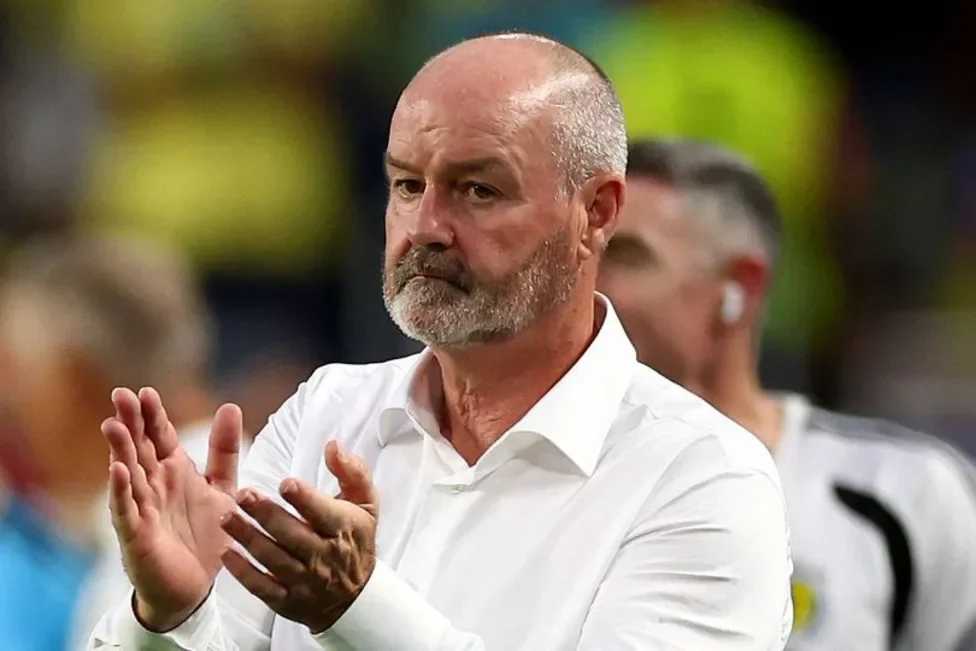
The wave of departures has swept across several nations, reflecting the intense pressure national team managers face after major tournaments. Other coaches who have exited their positions include Carlos Queiroz (Ghana), Julian Nagelsmann (Germany), Sebastián Beccacece (Ecuador), Ronald Koeman (Netherlands), Miroslav Koubek (Czechia), Steve Clarke (Scotland), and Hong Myung-bo (South Korea).
The growing list of managerial changes is expected to trigger a busy period for football federations around the world as they begin the search for new leaders ahead of upcoming continental competitions and qualification campaigns.
Opinion: World Cup Pressure Continues to Claim High-Profile Managers
The departure of nine coaches shortly after their teams' World Cup exits once again highlights the unforgiving nature of international football. Major tournaments often serve as the ultimate measuring stick, and even highly respected managers can find their positions untenable after disappointing results.
While some resignations are voluntary and mark the end of long-serving tenures, others reflect the immense expectations placed on national team coaches. Success at the World Cup can cement a legacy, but failure often leads to immediate scrutiny and calls for change.
For football federations, replacing experienced coaches is never a simple task. Continuity can be valuable, but so can fresh ideas and renewed ambition. The challenge is finding the right balance between patience and accountability.
As preparations begin for future international competitions, these managerial changes could shape the fortunes of several national teams. Whether the new appointments bring instant success or require time to bear fruit, one thing remains certain: the World Cup is not only a tournament for players—it is also a defining stage for coaches whose careers can change dramatically in just a few matches.