One Altar, Billions of Streams: The Gospel Wave Running Parallel to Afrobeats' Big Summer
Afrobeats has spent this August fighting over Fridays. Major releases have queued up one after another, each one competing for the same headlines, the same playlist slots, the same trending charts.
Nigerian gospel music has not been queuing for anything. It has spent the same summer running its own parallel economy — free stadium-scale concerts, Spotify Africa chart placements and viral TikTok records — largely outside the release-date scramble dominating Afropop's headlines.
Start with the song. In early July 2026, Mercy Chinwo released "Promise Keeper," featuring trumpeter and worship leader Nathaniel Bassey. GospelHitsNaija dates the release to July 3; Gospelminds says July 5 — the outlets differ on the exact day.
A Chart Regular, Not a One-Off
"Promise Keeper" is part of Chinwo's latest album, a 10-track project themed around new beginnings, per Gospelminds. This isn't a debut collaboration finding its footing — Chinwo has won Best International Act at the UK's Premier Gospel Awards and counts billions of career streams, per the same report.
An international award and billions of streams is the kind of resume line that would lead an Afropop profile. Here, it's the baseline credential for one featured artist on one track of a ten-song album — a sign of how deep the gospel scene's bench actually runs.
Pairing with Nathaniel Bassey isn't a stretch either. Gospelminds' own description names him a trumpeter and worship leader, and the two names together read less like a one-off single than two established acts working together deliberately.
Within the week, Nigeria's gospel A-list shared one stage in Lagos.
One Altar, One Night, Nine Names
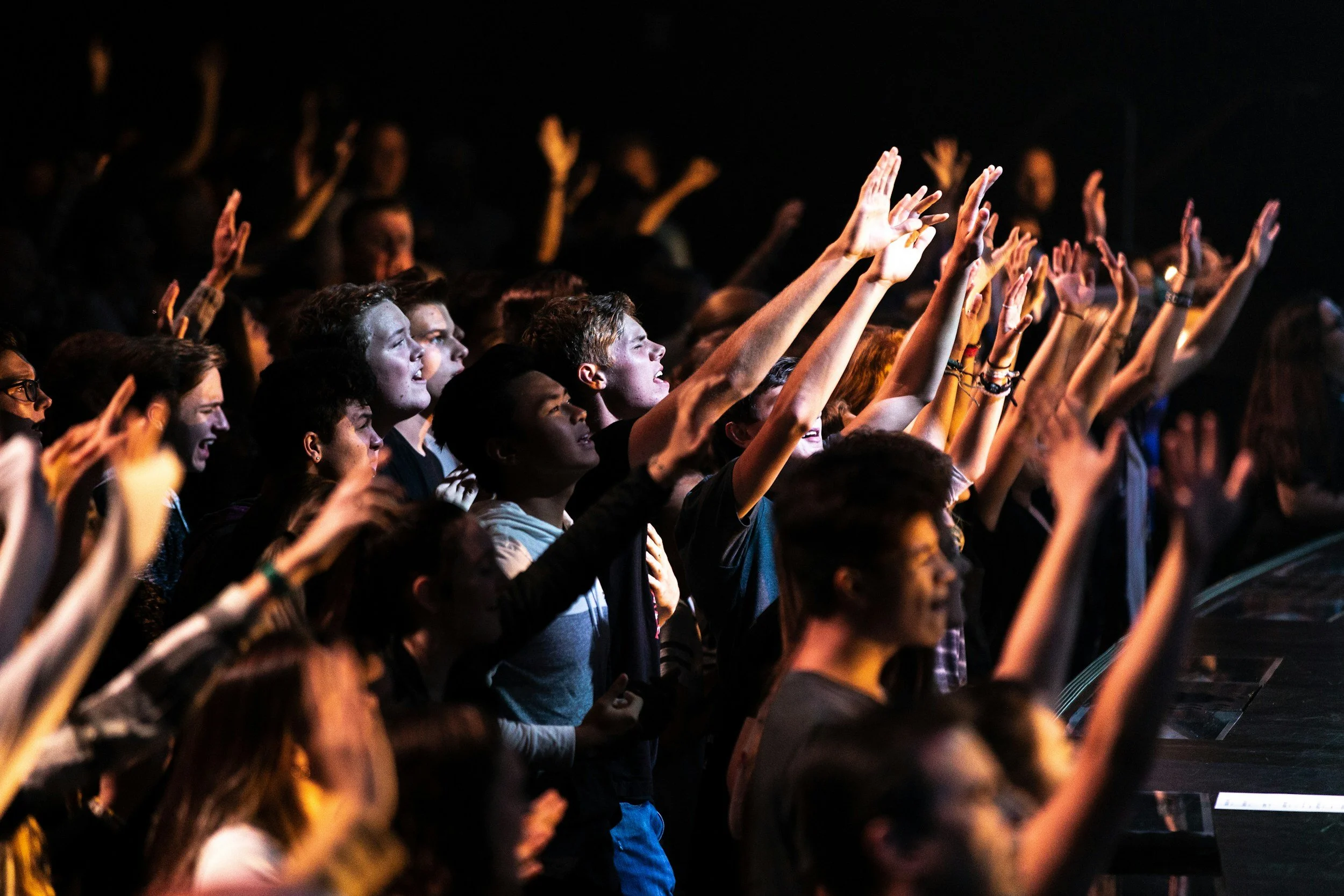
The Africa Praise Experience — TAPE 2026 — held Friday, July 10, 2026 at The Rock Cathedral in Lekki. It's a free event hosted by House On The Rock's Paul Adefarasin, themed "One Altar. One Sound. One God.," Leadership reported in June.
The lineup stacked Nigeria's gospel A-list in one room: Nathaniel Bassey, Mercy Chinwo, Moses Bliss, Frank Edwards, Sonnie Badu, Beejay Sax, Sunmisola Agbebi, Prinx Emmanuel and the Lagos Metropolitan Gospel Choir, per Leadership.
Nine acts is a festival bill, not a concert. Getting that many established names to share one stage on one free night takes the kind of coordination that usually comes with ticket revenue behind it — TAPE did it as a church-hosted event instead.
A free event at this scale isn't costless — venue, sound and nine acts' worth of logistics still have to be paid for by someone. Structuring it as host-funded rather than ticketed is itself part of the model on display.
Free admission. Nine of Nigeria's biggest gospel names on one bill. A theme — "One Altar. One Sound. One God." — that doubles as the genre's whole business model.
Compare that free-entry, church-hosted model to what a ticketed arena tour costs to stage, and TAPE starts to look less like a scaled-down alternative and more like a genuinely different economy — one built on congregations instead of ticket sales.
The Numbers Behind the Altar
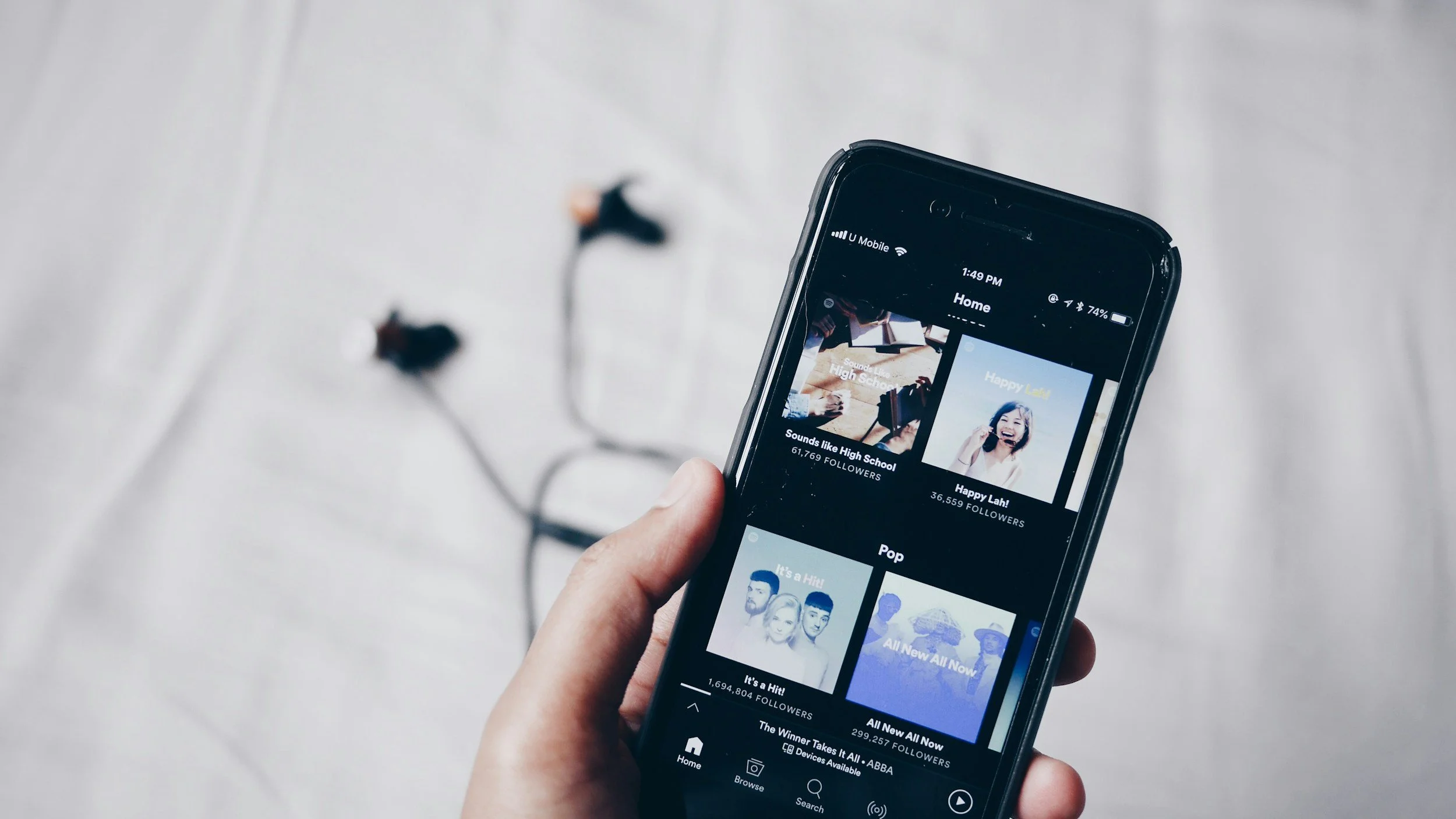
That economy shows up in the streaming data too. Nathaniel Bassey, Moses Bliss and Mercy Chinwo all rank among the most-streamed gospel artists on Spotify across Africa, per Asaba Metro and Pulse Nigeria.
Spotify's charts aren't curated by a pastor or a promoter — they're driven by individual listeners pressing play on their own. Three gospel names topping that ranking independently of any single concert or campaign says the audience for this music extends well past whoever showed up in Lekki on a Friday night.
Three names from the same TAPE lineup also topping the continental streaming rankings isn't a coincidence so much as confirmation — the same artists filling a free auditorium in Lekki are the ones dominating a paid, algorithm-driven platform at the same time.
Gospel is showing up on TikTok too, not just Sunday livestreams. Records like "Baba Don Do Wam Again" by Official Prince Ben and Sunmisola Agbebi's "B'ola" have been driving dance challenges through 2026, per trend roundups tracked by Ceenaija.
Sunmisola Agbebi's name doing double duty — on the TAPE bill and on a viral TikTok record in the same year — is its own small data point. This isn't a genre split between "the concert artists" and "the internet artists." Increasingly, they're the same people.
None of these numbers come from a single blockbuster event, either. A hit single, a free concert and a wave of short-form video clips are three different distribution channels, all moving at once — a more resilient growth pattern than depending on any one of them alone.
Put together, that's a genre with its own chart presence, its own free-to-attend arena moment, and its own short-form video virality — running in parallel with Afrobeats' busy release calendar, not underneath it.
The Under-Covered Growth Story
Nobody is giving gospel's release strategy the same column inches that Afrobeats singles get most weeks right now. That gap is starting to look less like an accurate reflection of the genre's size and more like an editorial blind spot.
A hit single, a nine-act free festival and a TikTok trend or two, all inside the same few weeks, would be treated as a genuine movement if it were happening in Afrobeats. Applied to gospel, it barely registers as a headline.
None of this needs Afrobeats to lose anything for gospel to be worth the attention. The two aren't competing for the same slot in most listeners' weeks — one soundtracks a Friday night out, the other soundtracks a Sunday service and, increasingly, a TikTok feed in between. Both can be growing at once.
Afrobeats will keep winning the headlines this August, and fairly so — it's a genuinely massive month for the genre. But one altar, on one free night in Lekki, gathered nine of gospel's biggest names in a way no single Afropop release matched all summer.
That's not a small story. It's just a quieter one.