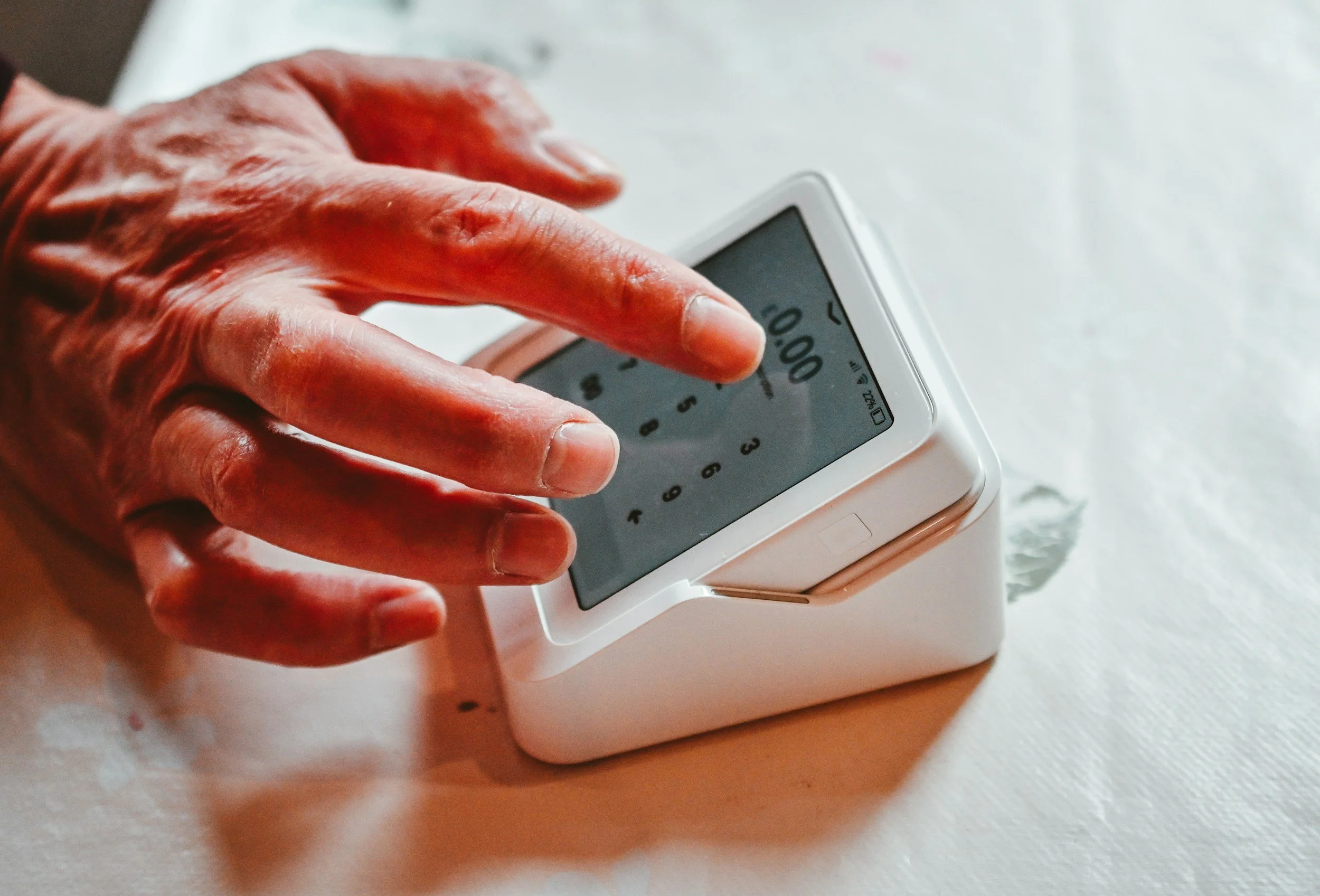
Android 10 Meets Election Day: Osun Is the BVAS Stress Test INEC Cannot Afford to Fail
Every voter who taps a fingerprint onto a BVAS machine today will be trusting a device running software that stopped receiving security patches three years ago.
INEC's Director of Information and Communication Technology, Dr Lawrence Bayode, has confirmed that the commission's fleet of Bimodal Voter Accreditation System units runs on Android 10 — an operating system that reached its end of life in 2023, Technext24 reported.
This site covered the underlying N209 billion election technology budget behind that admission on August 13. Saturday converts the question from a procurement story into a live one: does the hardware actually hold up under real election-day conditions, with a governorship on the line? None of this is hypothetical by Saturday morning. It is the exact hardware that will decide, in real time, whether Osun's voters get accredited smoothly or spend the day queuing behind a device that has frozen, again.
A Big Budget, an Old Operating System
The numbers involved are not small. INEC has proposed N873.8 billion for the 2027 general elections, with N209.2 billion of that earmarked specifically for election technology, including the BVAS fleet, Arise reported.
That is a lot of money to be spent adjacent to a device fleet still running a three-year-obsolete operating system. The mismatch between the budget line and the software version is what turned this from a technical footnote into a political question.
To be fair to INEC, no election management body anywhere replaces its entire device fleet casually. Hardware procurement on this scale involves tenders, testing and budgeting cycles that rarely move at the speed critics would prefer. The real question the N209.2 billion figure raises is not whether an upgrade is hard, but whether the sums already allocated were the right size, or were spent on the right things, to make it happen sooner.
BVAS units do two jobs at once on election day: verifying a voter's fingerprint or facial biometric against the register, and generating the accreditation data later checked against the final result. An operating system running past its patch-support window does not necessarily fail at either job on a given Saturday. But it does mean any newly discovered vulnerability in Android 10 itself now has no vendor fix coming, on devices INEC intends to keep using into next year's general elections.
Atiku's Warning, INEC's Defence
That political question got a prominent voice in the week of August 11, when ADC presidential candidate Atiku Abubakar publicly warned that the outdated operating system poses cybersecurity and operational risks heading into 2027, and asked pointedly why years of technology budgets have not produced an upgrade, per Arise.
Coming from a declared presidential candidate rather than a technology commentator, the warning read as much like a campaign message as a technical one — a sign that election infrastructure has become a live issue for 2027's contenders, not a back-office matter for INEC alone. Atiku is not a neutral observer here: as a candidate for the very election the BVAS fleet is meant to serve, he has as much interest in raising doubts about the machinery as INEC has in defending it. That does not make the underlying operating-system fact any less true; it just means both sides of this argument have a stake in how it gets read.
INEC's defence, delivered through Bayode, treats the fix as more complicated than it sounds. InterceptNG reported his response in full:
"Upgrading the OS is not just a software update; it involves significant hardware upgrades, which require careful planning and resources."
Both things can be true at once — that a full upgrade is genuinely a hardware project, not a weekend patch, and that the commission has had a long runway and a large budget line to start one.
Why Osun, Why Now
Saturday's election is the first full statewide BVAS deployment since the Android 10 controversy broke into public view, and the first governorship poll conducted under the Electoral Act 2026, whose Section 47 gives the BVAS statutory recognition it previously lacked.
That legal status raises the stakes of any device failure. A malfunctioning BVAS is no longer just an operational headache for INEC officials to manage quietly — it now touches a process the law itself has enshrined as the standard for accreditation. What used to be a purely administrative complaint could now, in principle, become a legal one.
Osun has been here before. BVAS data was central to the litigation that followed the state's disputed 2022 governorship result, which makes device reliability a known flashpoint in this exact state, not a hypothetical one. Section 47's statutory recognition did not exist the last time Osun's BVAS data ended up before a tribunal. This time, if a device fails or a figure is disputed, the argument will happen inside a legal framework that treats the BVAS record as central to the process by design, not as one piece of evidence among several.
The Weight on One State
None of this is Osun's fault. The state did not choose to be the first full-scale rehearsal for a piece of election technology whose central controversy is a national budget and procurement question.
But that is what Saturday makes it. Every accreditation delay, every device swap, every disputed IReV upload in Osun this weekend will be read by two audiences at once: the Osun electorate deciding a governorship, and a national political class already arguing about whether the same machines can be trusted come the next general elections.
That is an unusual amount of national weight to place on a single governorship contest, but it is also, in its way, useful. Better to find out what an Android 10 device does under real pressure in one state on a Saturday in August than to find out for the first time next year, with a bigger result riding on it.
What to Watch For
Three things will tell the real story on Saturday, regardless of who wins the governorship itself.
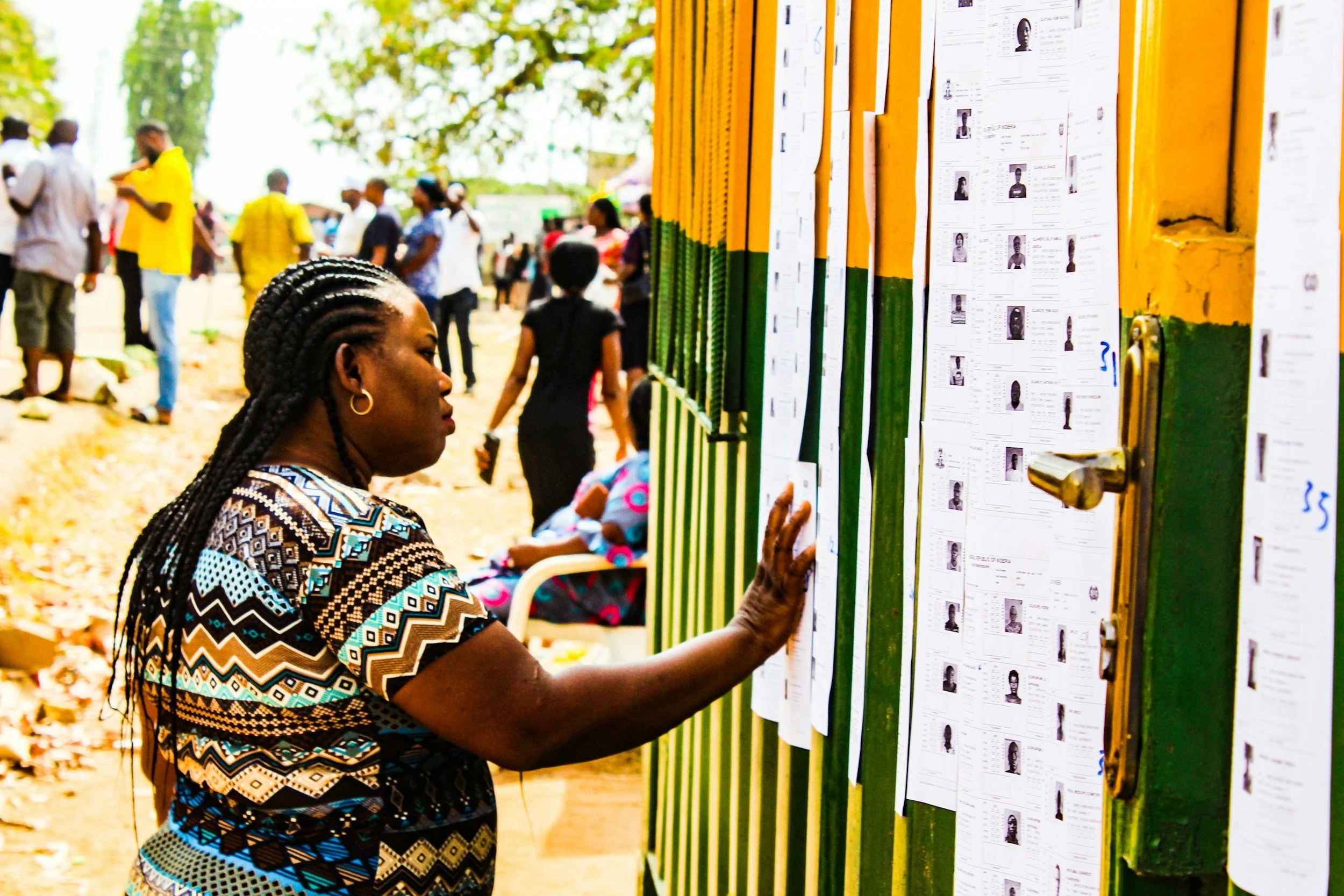
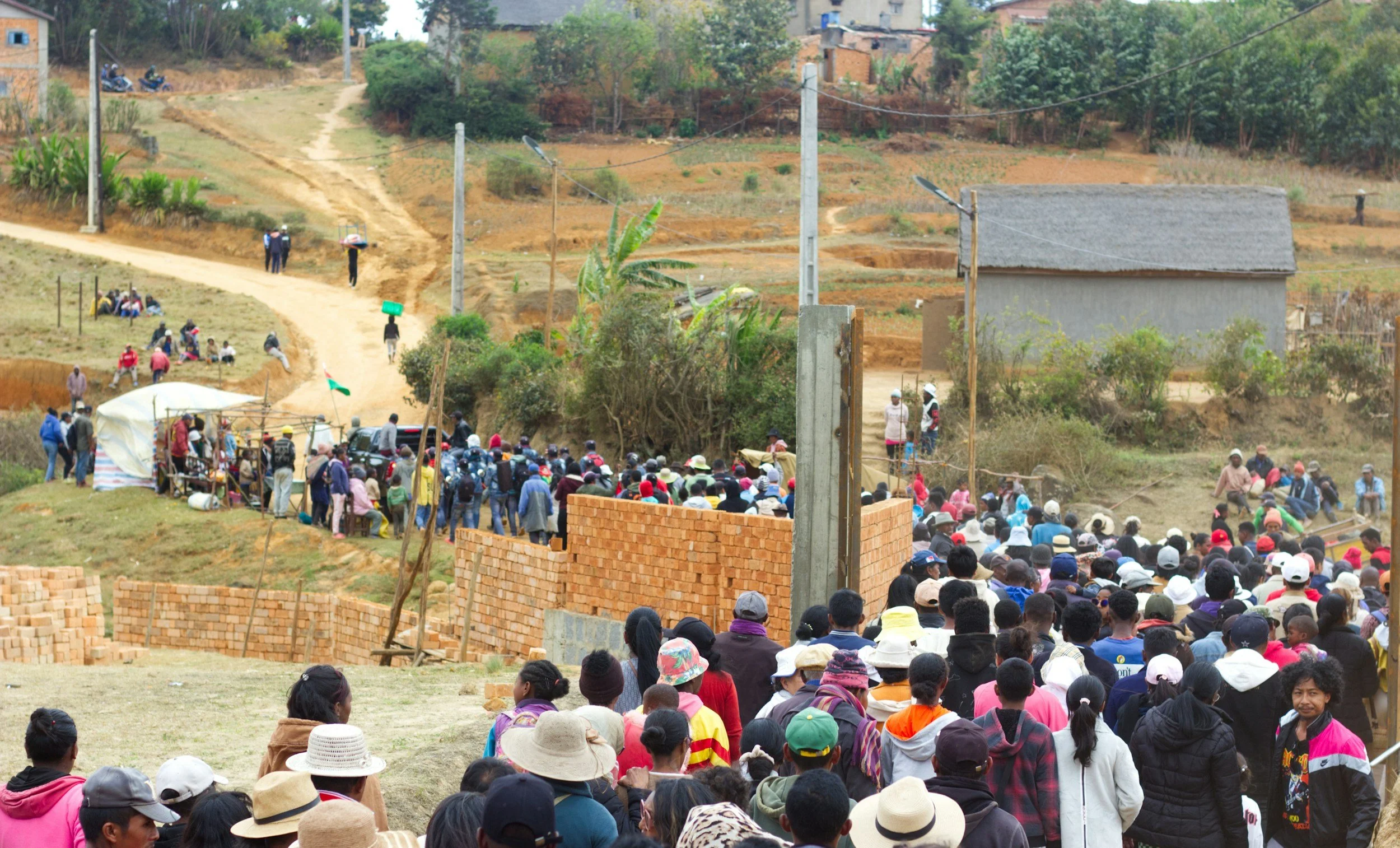
Accreditation speed — how long voters queue at BVAS points across Osun's 30 local government areas.
Device failures — how many units malfunction or need replacement mid-voting, and how INEC's ad-hoc staff handle it in real time.
IReV upload times — how quickly polling unit results reach the portal, measured against the Electoral Act's new e-transmission provisions.
None of those three metrics will resolve the argument between Atiku's warning and Bayode's defence. But Osun will produce the first hard, statewide evidence either way — evidence a N209 billion technology budget owes the country before next year arrives.