Osun Went Well. Which Is Exactly Why INEC Is Under Pressure.
Osogbo · Friday 21 August 2026
The Osun governorship election produced something Nigerian elections do not reliably produce: a result that independent observers could test against their own data and largely confirm. Yiaga Africa said the figures INEC announced were consistent with its statistical estimates. INEC has now said it intends to improve on that standard for 2027.
The pressure sitting behind that sentence is the point of this story. A coalition of opposition parties, ethnic youth leaders and civil society groups has spent two days reviewing the Osun poll in detail, covering pre-election operations, election-day management, security, stakeholder engagement and vote tabulation. Their conclusion was not congratulation. It was that Osun must become the minimum benchmark for future polls rather than an exception people point at.

What went right
The thing that mattered most was verifiability. Parallel vote tabulation works by sampling polling units and projecting a result independently of the electoral commission. When the commission's announced figure falls inside the projection, that is strong evidence the count was not manipulated at scale. In Osun, it did.
That is a narrow claim and it is worth being precise about it. It does not mean no irregularities occurred. It means the announced totals were consistent with an independent count, which is the specific thing Nigerian elections have most often failed to demonstrate.
INEC chairman Professor Joash Ojo Amupitan has drawn credit from the review, and the coalition's stated position is conditional: if the Osun standard is sustained and improved on, Nigeria can deliver a 2027 election that strengthens rather than erodes confidence in the system.
What did not
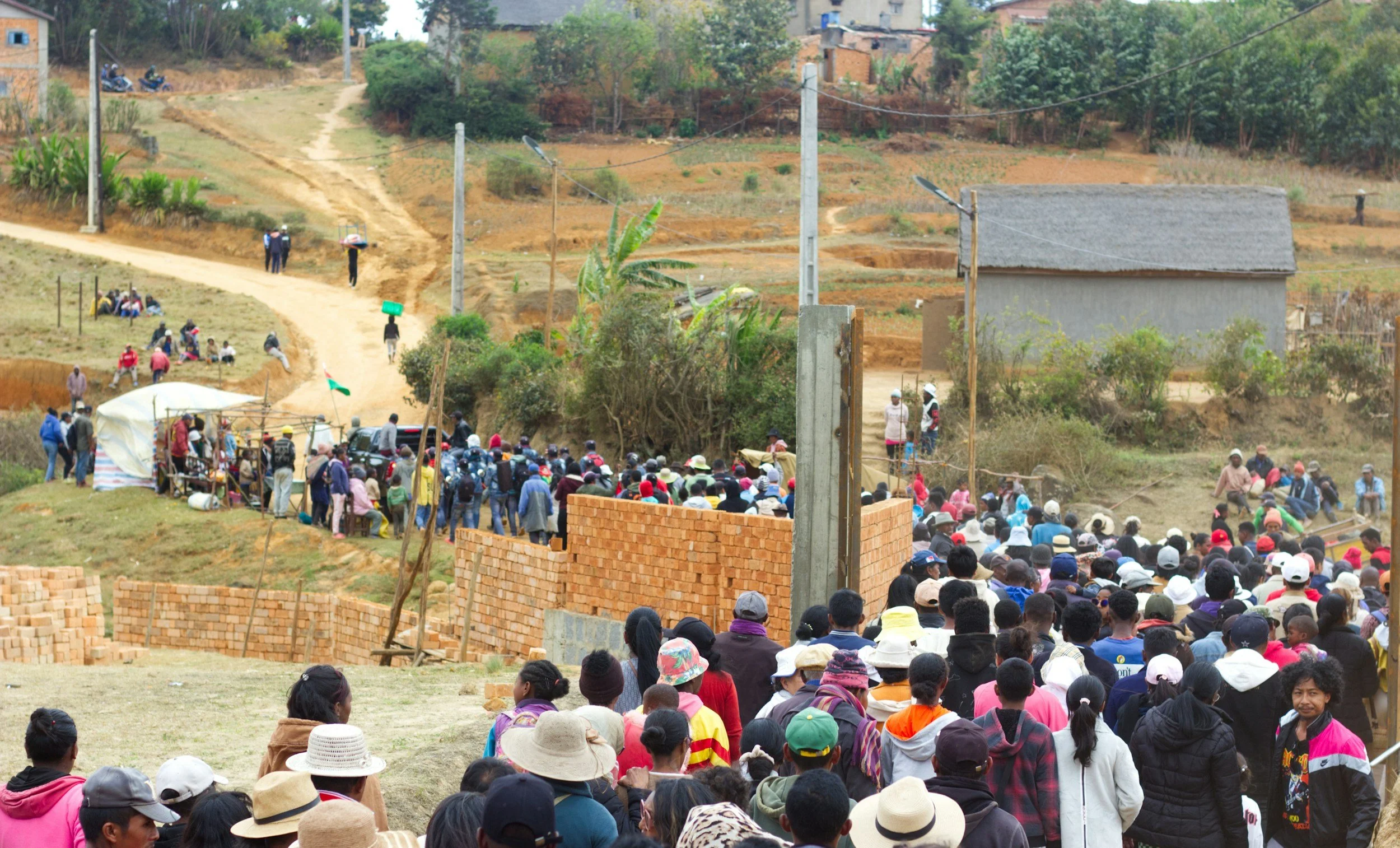
The same review recorded vote-buying, pockets of violence, technical problems with the Bimodal Voter Accreditation System, and low turnout. None of those is trivial and the last two compound each other.
| Problem | Why it matters for 2027 |
|---|---|
| Vote-buying | Scales with poverty and with how easy cash is to move at a polling unit |
| Localised violence | Suppresses turnout in specific units, which is often the objective |
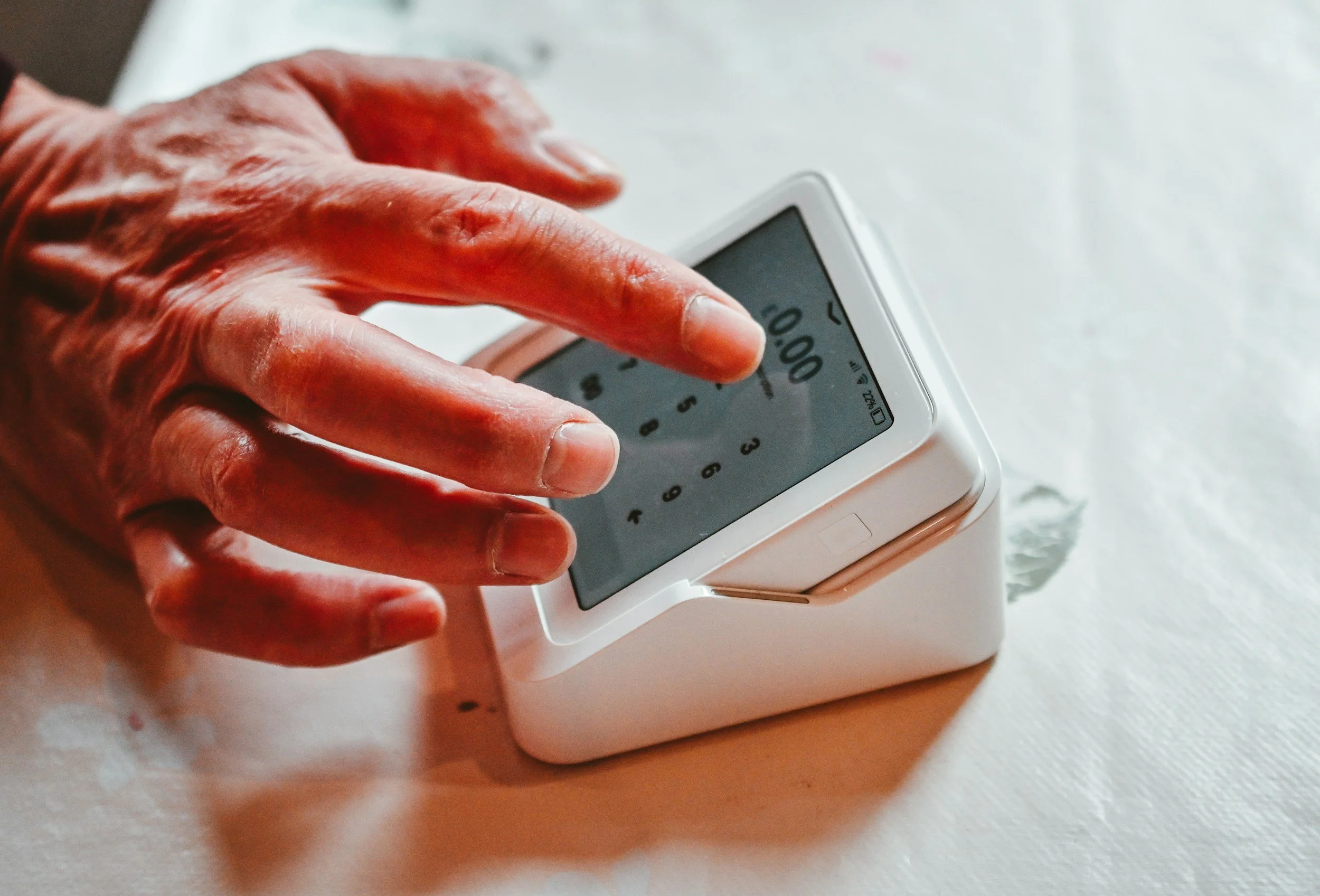
| BVAS failures | Every failure is a queue, and every queue is voters going home |
| Low turnout | Shrinks the number of votes needed to win, raising the value of the first three |
The four findings interact. Treating them as a list understates the problem.
Low turnout deserves particular attention because it is usually reported as apathy and is frequently something else. When accreditation fails and a queue stops moving, the people who leave are disproportionately those who cannot afford to lose a day's trading. That is not disengagement. It is a technical failure with a class filter on it.
The scale problem
Here is the difficulty with declaring Osun a benchmark. Osun is one state. A governorship election concentrates the commission's entire national attention, its best staff, its most reliable equipment and the full glare of domestic and international observation on a single jurisdiction for a single day.
A general election is 36 states plus the Federal Capital Territory, simultaneously, with the same finite pool of trained personnel spread across roughly 176,000 polling units. Everything that worked in Osun has to work in parallel, in places with worse roads and thinner security, run by ad hoc staff recruited weeks earlier.
Running one good election proves capability. Running 37 at once proves capacity. They are not the same test, and Nigeria has repeatedly passed the first and failed the second.
What INEC can actually do in five months
The campaign period opened on 19 August and the presidential vote is on 16 January. That is not long enough to rebuild an institution, but it is long enough to do three specific things.
The first is BVAS reliability testing at scale, published. Not a statement that the devices have been tested, but figures: how many units, what failure rate, in what conditions. The credibility of the result in January will rest more on that number than on any assurance.
The second is result transmission. The single largest source of dispute in recent Nigerian elections has been the gap between what a polling unit recorded and what appeared centrally. Osun worked partly because that gap was small enough to verify. Closing it nationally is an engineering problem with a deadline.
The third is publishing the Osun review itself. The coalition has done a detailed two-day assessment. If INEC adopts its recommendations and says which ones it has adopted, the commission converts a good day into an accountable commitment. If it does not, Osun becomes a talking point and nothing else.
The reason this is worth watching closely
Nigerian elections are not usually lost at the count. They are lost in the months before, in decisions about equipment procurement, staff training and where the security goes. All of that is happening now, quietly, while the political conversation is about candidates.
Osun demonstrated that the commission can run a poll whose numbers survive independent checking. The question for the next five months is whether that was a function of the institution or a function of the attention. Nobody outside INEC knows the answer yet, and the commission has an unusual opportunity to settle it by simply showing its working.
Reporting: THISDAY, Leadership, The Guardian Nigeria, Vanguard and Tribune Online.
Read next
- Okorocha Says He Won The Primary. The Affidavit Has Numbers.
- Abel Enitan Takes Over The Civil Service On 27 August
- Simeone Is Playing Lookman At Number Nine Because He Has To
Whatever the news does this week, somebody at home still has to eat. The Send Home boxes land as a food shop, a care package or a learning kit. Naira pricing here.