Every Saturday, Somebody Is Getting Married: The ₦1.2 Trillion Economics of Asoebi
Someone in Lagos is getting married this Saturday. Someone else is doing a naming ceremony on Sunday. By next weekend, there will be a "celebration of life" for a grandmother who lived to ninety, and a milestone birthday with its own colour code. Nigerians do not really do quiet weekends, and every single one of those events comes with the same question attached: what are we wearing?
That question is not small talk. It is an invoice. And by the time the full chain — fabric, tailoring, catering, logistics — gets counted, Nigeria's wedding industry alone is estimated at about ₦1.2 trillion a year, according to a WithinNigeria report published July 2, 2026.
₦1.2 trillion a year — the estimated size of Nigeria's wedding industry once fabric, tailoring, catering and logistics are all counted.
Let's talk honestly about where that money actually goes, because it is not evenly spread, and it never was. Somebody always profits more than the person holding the invitation.
The Invoice Inside the Invitation
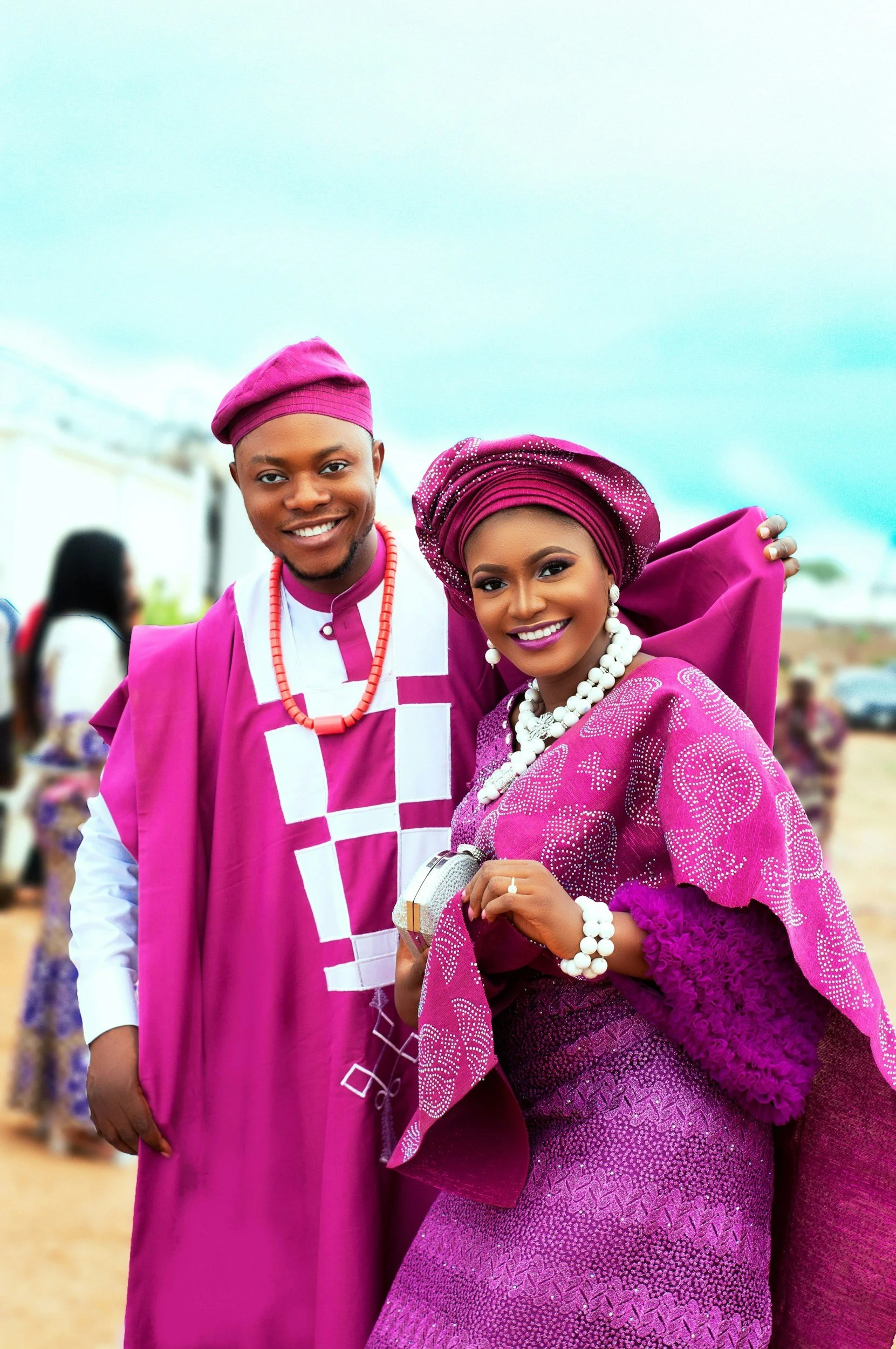
Aso-ebi has always been sold as solidarity — the uniform that turns a crowd of guests into a visible show of love for the celebrant. What the same July 2 WithinNigeria guide makes plain is that the owambe aso-ebi trade is also, quite openly, a real money-making business in 2026, not merely a tradition that happens to involve fabric.
The mechanics are simple enough once someone says them out loud: organisers buy fabric in bulk, mark it up, and sell it on to guests who have very little room to negotiate. You do not haggle with the bride's aunty over gele money. You pay, you smile, you post the photos, and the group chat moves on to the next event.
Nobody calls this a markup to your face. It is dressed in the language of honour — you are "supporting" the celebrant, you are "identifying" with the family. The language is not wrong, exactly. It is just doing double duty as a sales pitch, and a fairly effective one at that.
A Culture That Never Takes a Weekend Off
Part of what makes the numbers so large is frequency. Lagos owambe culture runs weekly — weddings, naming ceremonies, celebratory burials and birthdays, often demanding multiple outfit changes within a single event.
Multiple outfit changes. Sit with that for a second. One event, more than one asoebi, more than one tailor's bill, more than one occasion to be photographed looking like money was no object — whether or not it actually was.
Multiply that by every celebrant on the calendar, every weekend, across a city the size of Lagos, and ₦1.2 trillion stops sounding like an exaggeration. It starts sounding like arithmetic — the kind that adds up quietly in the background of a culture built on showing up dressed.
The Corset Takeover
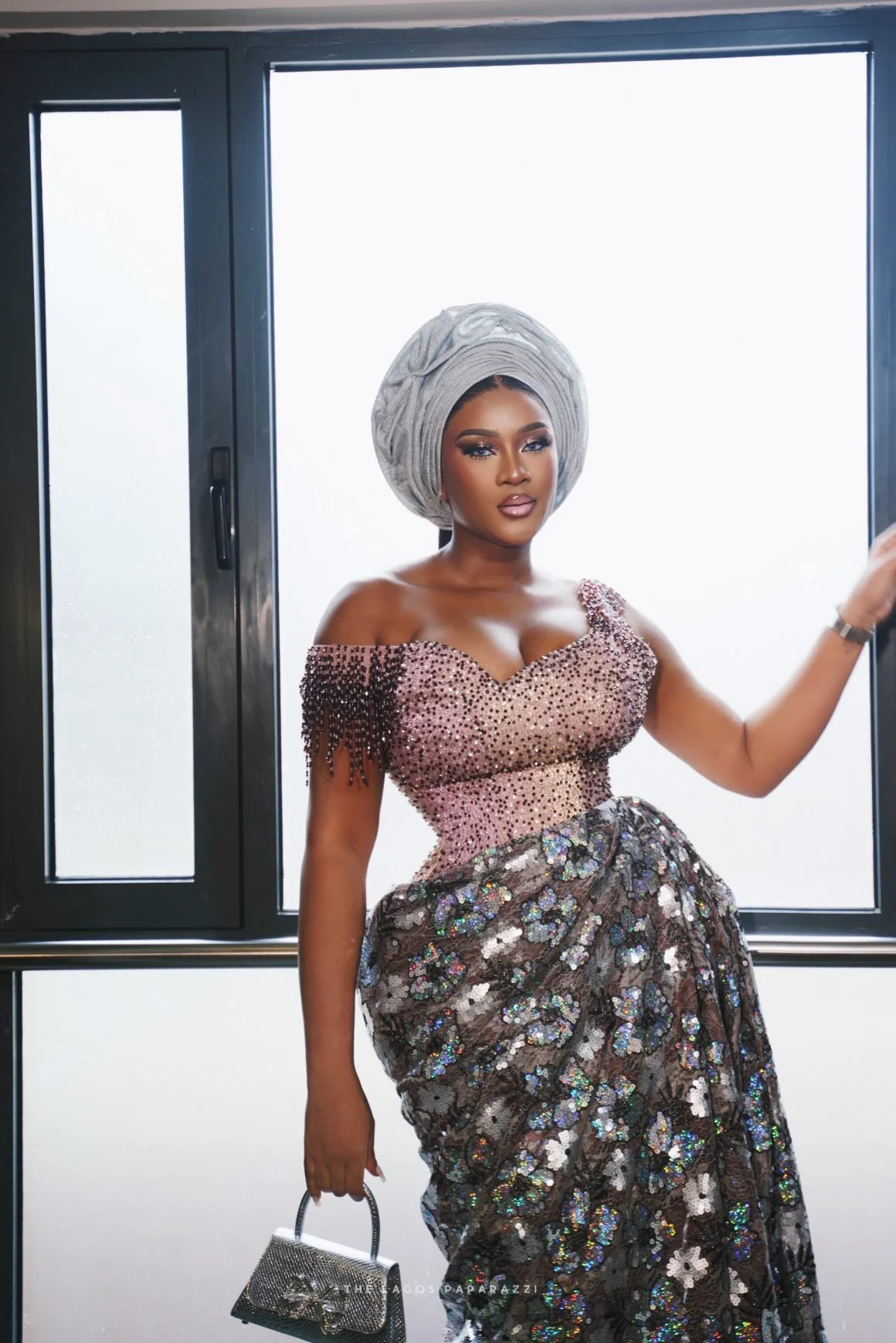
Fashion trades on novelty, even inside a tradition as old as asoebi. Structured corset gowns, flowing bubu dresses and reimagined iro-and-buba ensembles are the silhouettes defining asoebi in 2026, per TrybeFashion.
The corset in particular has stuck. Glamcityz reports that corsets remain a staple owambe look this year, built around luxurious lace, beadwork and embellishment. It is a telling choice of silhouette — structured, fitted, unmistakably a "look," the opposite of anything you could quietly reuse as ordinary clothing after the event ends.
That, too, is part of the business. A silhouette this specific does not get worn twice in two different rooms. It gets worn once, photographed from three angles, and replaced next month by whatever the next owambe demands. Reuse is not really the point. Being current is — and being current, season after season, is what keeps the tailors and the fabric sellers busy between one owambe and the next.
Who Actually Profits
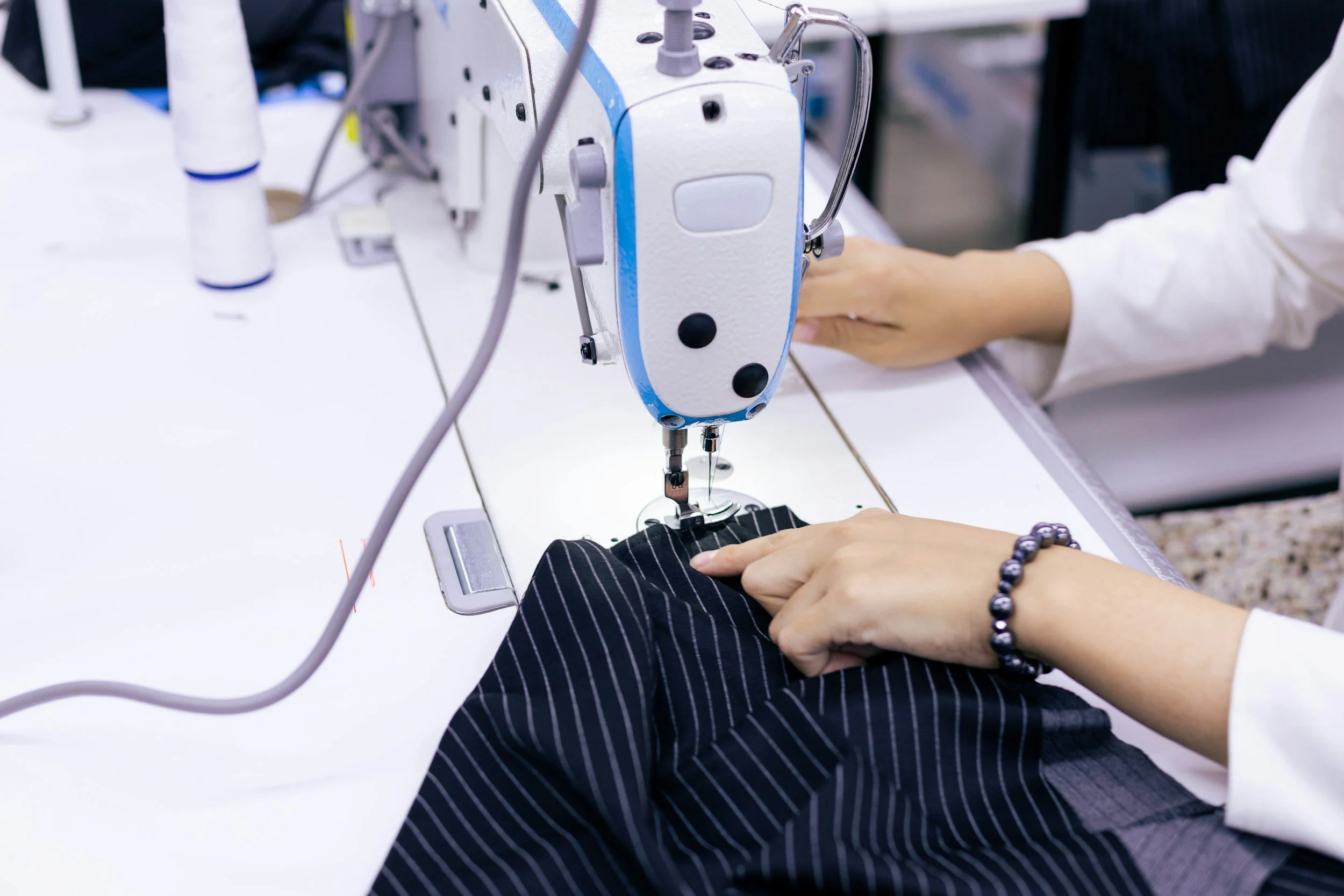
So who wins in a ₦1.2 trillion economy built on friendship? Mostly, it is the people selling the fabric and cutting the cloth — the organisers marking up bulk lace, the tailors booked out every weekend of the season, the caterers and the logistics chain riding alongside them.
The guests, meanwhile, absorb the cost as the price of belonging. Say no to asoebi and you risk being the one relative, the one friend, who did not show up in uniform — a social cost that, for many Nigerians, outweighs the financial one, however uncomfortable that trade-off actually is.
None of this makes asoebi a scam, to be clear. The tailoring is real, the fabric is real, the skill on display at every owambe is real. What is also real is that "solidarity" and "sales" have become nearly impossible to tell apart once the invitation arrives with a fabric code attached.
Asoebi was never really about the fabric. It is a ledger dressed up as love, and every Saturday, somebody new is signing onto it, one bulk order and one gele at a time.