From 'Bend-Down-Select' to High-Street Chic: How Okrika Became the Real Backbone of Lagos Fashion
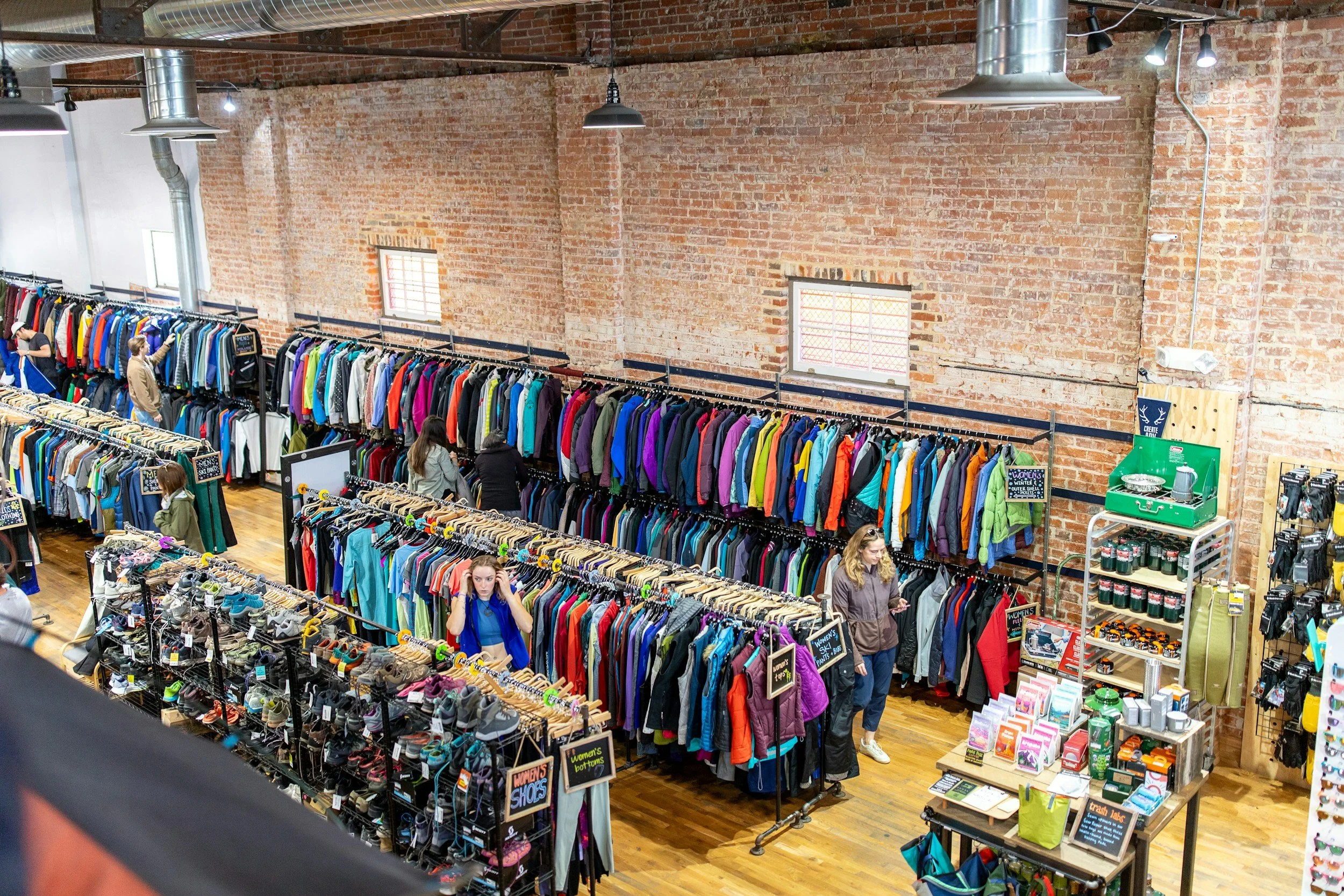
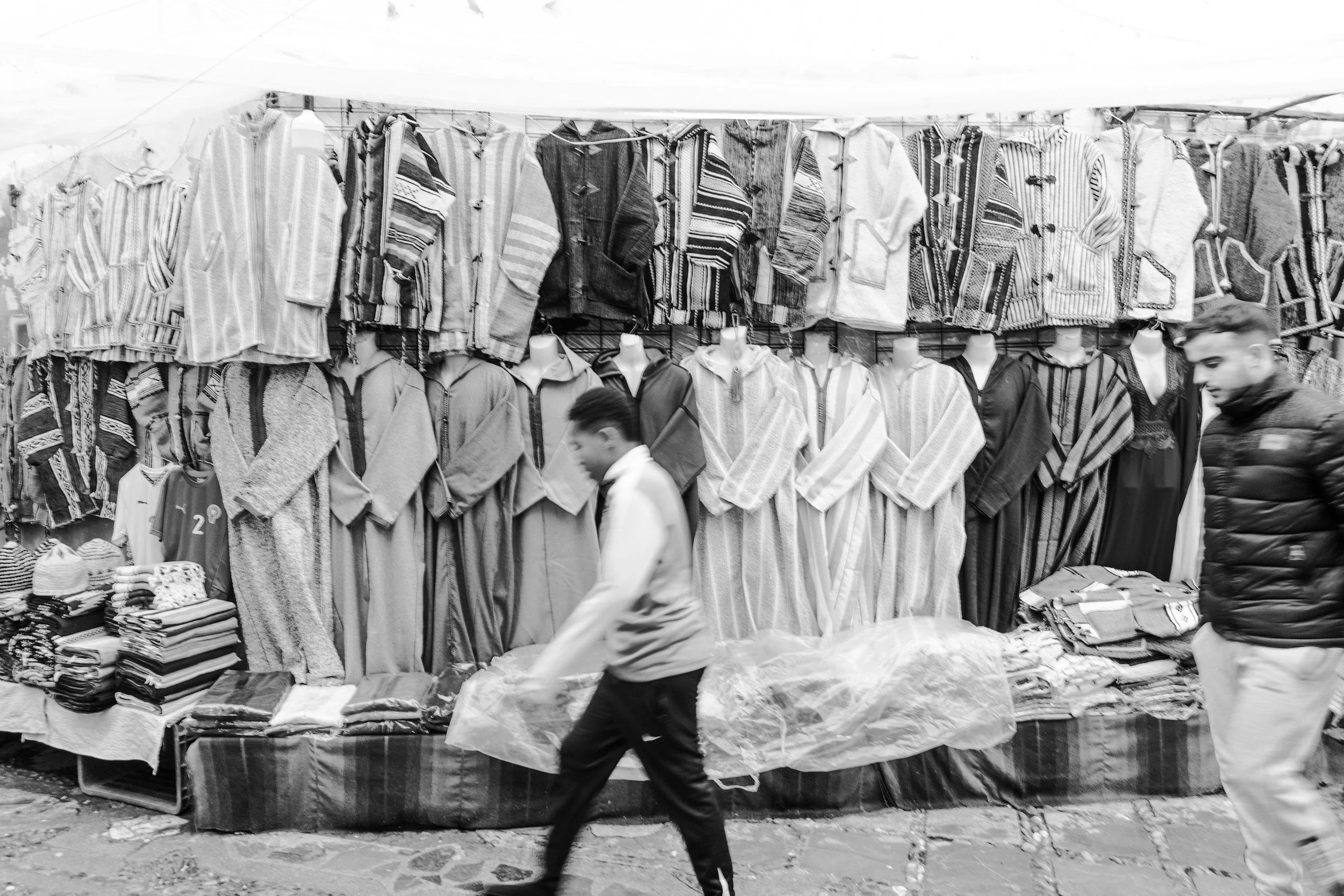
Saturday morning at a Lagos thrift market, and the ritual is always the same: a fresh bale gets sliced open, and everyone within reach drops into a crouch, hands moving fast through the pile before the good pieces disappear. Regulars call it bend-down-select. A phone is usually filming.
That phone is not incidental. It is arguably a large part of why okrika does not carry the stigma it used to.
What used to be shorthand for "cannot afford new clothes" has, by 2026, become something closer to a flex — proof of a good eye, not a thin wallet. The clothes have not changed. The story Nigerians tell about wearing them has.
It happens at Katangua on a Saturday morning and it happens on a university WhatsApp group on a Tuesday night — the same hunt for the one great find, just conducted in different postcodes, at different hours.
The Rebrand Nobody Announced
Independent Nigeria has described this shift as "the great okrika rebrand." Thrifting, led by Gen Z and millennials, has become, in the outlet's words, "the ultimate badge of coolness, creativity, and conscious consumerism" rather than a marker of poverty.
That is close to a full reversal of what secondhand clothing used to signal in Nigeria. For years, buying okrika was something people did quietly, out of necessity, and often did not advertise. A relative asking where an outfit came from was a question you answered carefully.
Now the advertising is the point. Outfits are styled, photographed and posted specifically because they are thrifted, with the bale, the market and the bargaining all treated as part of the story rather than something to hide.
That reversal has not been universal. Older Nigerians who remember okrika as a last resort still raise an eyebrow at a runway-worthy outfit that started life in a stranger's discarded wardrobe. The generational split is part of what makes the rebrand interesting rather than simply a marketing story.
Inflation Did Some of the Marketing
Rebrands rarely happen in a vacuum, and this one has an obvious economic engine underneath the cultural one. Nigeria recorded an average inflation rate of 33.2% in 2024, with imported fabrics and clothing rising 20 to 30% in cost, according to the OMIREN Lagos Fashion Market Report 2026. That squeeze pushed consumers to trade down across price tiers, the report found — not just the people who were already shopping thrift, but shoppers moving into the market from tiers above it.
When new clothing gets that much more expensive that quickly, "conscious consumerism" starts looking a lot like plain arithmetic. Okrika did not need to win the culture war on style alone. The naira did some of that work for it, whether the trend pieces credit it or not.
That kind of trading down rarely reverses once prices ease, either. Once a shopper discovers a bale can outperform a boutique rail on both price and originality, going back to paying full price for imported new clothing starts to feel like the worse deal — inflation or not.
Katangua, Ground Zero
If the rebrand has a capital, it is Katangua market in Abule Egba — widely documented as the biggest okrika market in Lagos. It is where the content actually gets made: creators filming bale openings, narrating bend-down-select runs, turning a shopping trip into a genre of video with its own conventions, its own catchphrases and its own loyal following.
The market existed long before the cameras did. What has changed is who is watching, and how many of them there are — an audience that now stretches well beyond anyone who could physically fit inside the market on a Saturday.
Ask anyone who has made the trip what the appeal is beyond price, and the answer is usually the same: no two hauls are identical. A boutique rail repeats itself down every row. A bale does not, and that unpredictability is precisely what a generation raised on algorithmic sameness finds worth filming.
From Bale to Business
The okrika thrift economy now dominates the entry tier of the Lagos fashion market, per OMIREN Styles — and it has stopped being a purely individual pursuit. Thrift haul videos on Instagram and TikTok rack up thousands of views, and the trade has produced an economy of resellers and, in some cases, million-naira businesses built on other people's castoffs.
Somebody bends down and selects. Somebody else washes, steams and photographs. By the time a single piece reaches a reseller's page, styled and captioned, it has usually changed hands, and price, more than once — each stop along the chain adding a small markup of its own.
Resellers are, in effect, running a curation service on top of a sorting service — doing the crouching and the digging so a customer with less time, or less patience for a Saturday crowd, can simply scroll and buy. That convenience is worth paying for, and plenty of buyers are happy to pay it.
Style, Survival and Business, All at Once
The Nigerian Observer put it plainly in May 2026: thrift fashion in Nigeria is simultaneously style, survival and business. None of those three descriptions cancels the others out, and that is exactly why the okrika boom matters beyond fashion pages.
It is a market functioning as a mirror. When imported fabric and new clothing price out a large share of the country, and a generation raised on Instagram turns the workaround into a badge of taste, that tells you plenty about who mainstream Nigerian fashion is actually priced for — and who has quietly built an entire economy around not paying it.
None of the three descriptions is going away soon, either. Inflation is not reversing overnight, Gen Z is not logging off, and the resellers who have built real businesses out of other people's castoffs are not about to hand the market back to boutiques and imported new stock.
Next Saturday, the bales will open again at Katangua. Somebody will crouch, somebody will film, and somebody, somewhere, will call it a whole new brand.