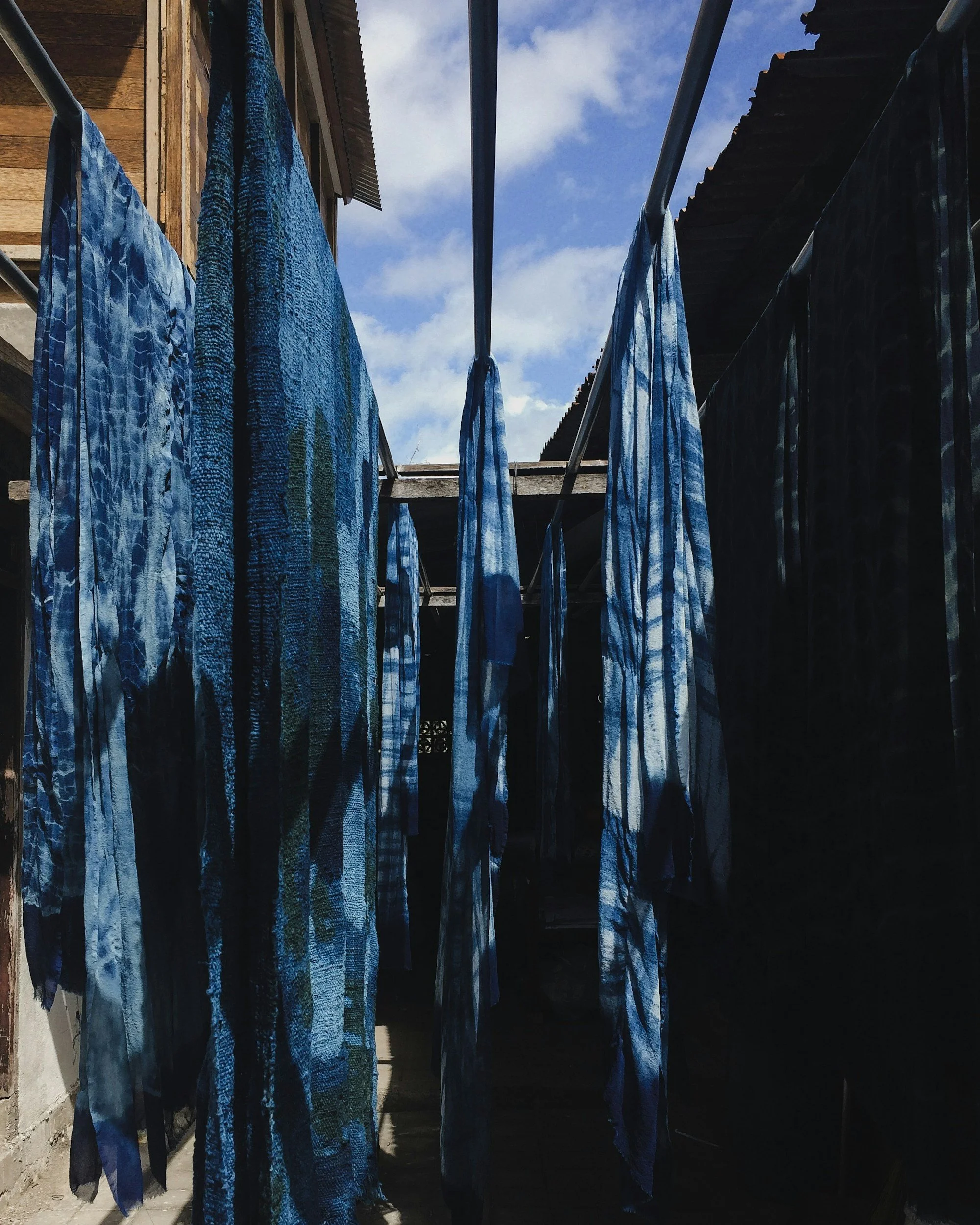
Indigo Dreams of a $1 Billion Industry: Abeokuta's Adire Moment After Egbaliganza's 50-Nation Showcase
The hands give it away first. In the dye compounds of Abeokuta, indigo does not wash off after one season — it settles into the skin, blue-black and stubborn, the way a craft settles into a town that has practised it for generations.
For the Yoruba communities who have kept it alive, indigo dyeing is not a novelty craft revived for tourists. It is inherited knowledge, passed hand to hand, the kind of skill nobody can shortcut by watching a tutorial once.
This is the hand-work that a very large number now hangs over: $1 billion. That is what industry experts say Nigeria's adire industry could grow into, with strategic investment and federal government backing, according to Glamcityz and Weng Global.
Between the dye vat and that number sits a much harder question — who actually gets to capture the value once the projection becomes real money, and who simply watches it pass through on its way somewhere else.
It is a question that applies to plenty of Nigerian heritage industries chasing global valuations, but adire's version of it is unusually concrete, because the showcase that reopened the conversation has already happened, dated and documented, rather than sitting somewhere on a future calendar.
Fifty Countries Come to Abeokuta
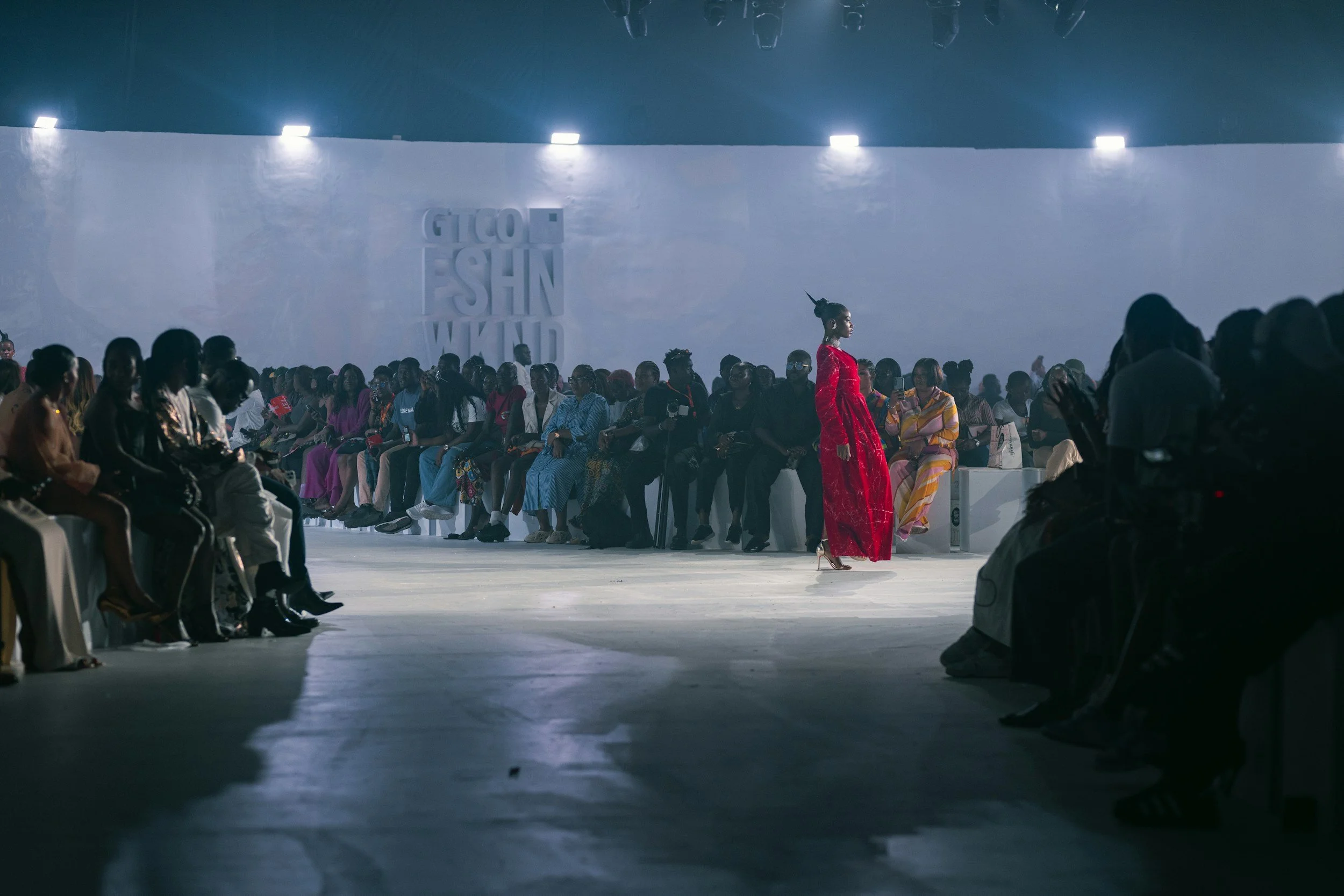
The clearest sign that adire's moment has arrived came on March 28, 2026, when Egbaliganza served as the climax of the 39th Lisabi Festival in Abeokuta. The event drew delegations from more than 50 countries, per Punch, put adire and aso-oke centre stage, and carried a diaspora investment pipeline of over $2 million.
Fifty countries is not a small showcase. It is a statement that Abeokuta's signature textile is being positioned as a genuine export story, not a local craft fair that happens once a year and is forgotten by the next.
A diaspora investment pipeline in the millions of dollars adds weight to that ambition. Diaspora money tends to follow narratives it believes in, and the narrative on offer at Egbaliganza was unmistakable: heritage, dressed up as opportunity.
The 39th staging of the Lisabi Festival is itself a reminder that Egbaliganza did not appear from nowhere. It sits inside a much older civic calendar, which is part of why Ogun State could plausibly host fifty countries' worth of delegations without the event reading as invented for the occasion.
The Billion-Dollar Question
The scale of ambition sits inside a much bigger picture. Nigeria's textile market was worth over $9 billion in 2025 and is projected to grow to $16.62 billion by 2034. Against that backdrop, a standalone $1 billion adire industry is not a fantasy figure — it is a plausible slice of a sector already trending upward, provided the "strategic investment and federal government backing" experts cite actually materialises.
That "provided" is doing a lot of work. Nigerian industry has heard ambitious dollar projections before. What tends to separate the ones that land from the ones that do not is exactly the kind of follow-through — funding, infrastructure, policy — that has not always shown up on schedule.
Strategic investment and federal backing are, admittedly, two of the most-used phrases in Nigerian industrial policy, promised to sectors from steel to solar. Adire's advantage is that the raw craft already exists at scale in Abeokuta — nobody has to build the skill base from zero, only fund and organise around what is already there.
The Fakes Problem
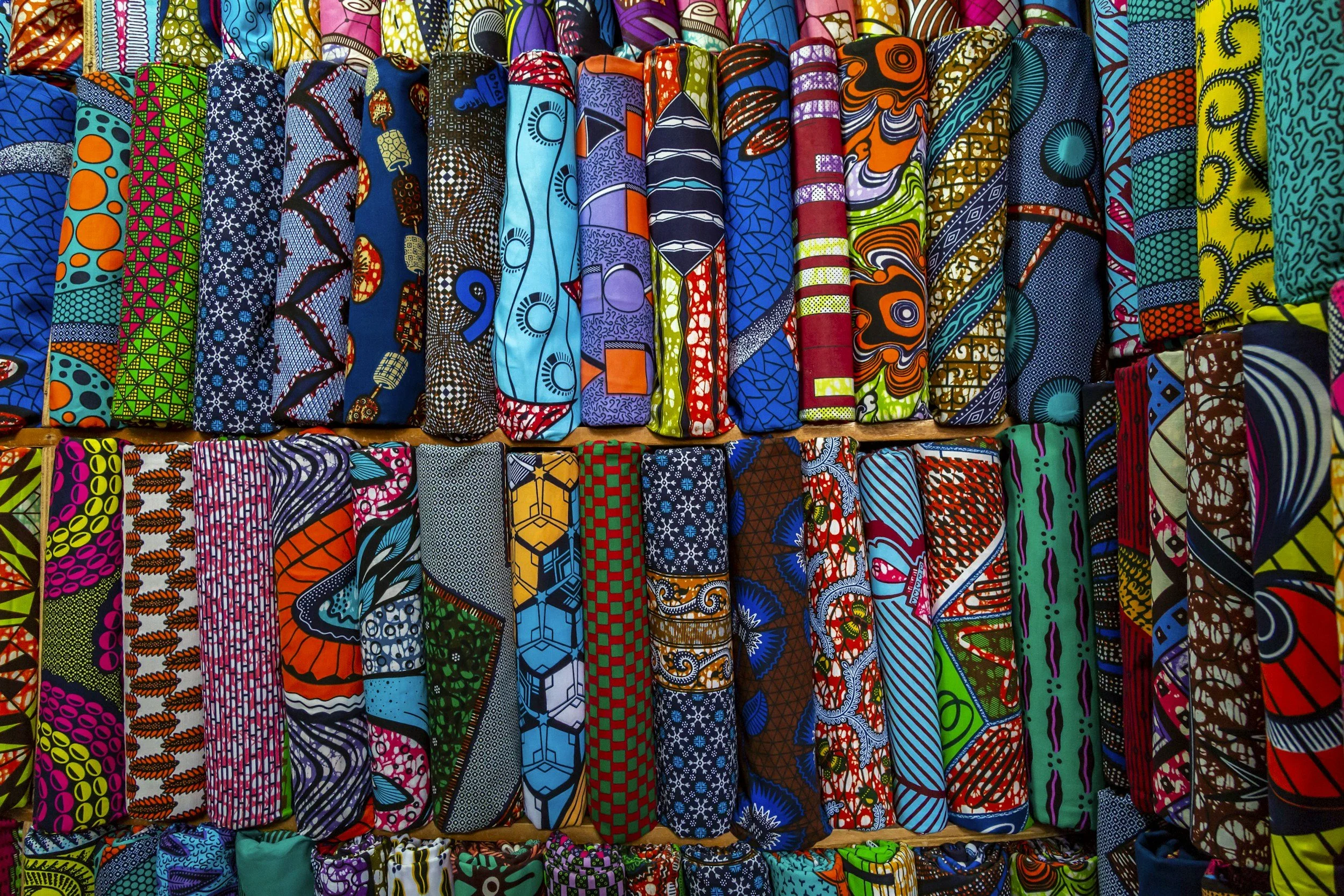
There is also a more immediate threat sitting closer to the dye vats than any funding gap: counterfeits. Machine-printed imitation adire floods Nigerian markets at a fraction of the handmade price, and many buyers who believe they are buying authentic adire are, in fact, buying printed copies, the Kohan Textile Journal has reported.
Every metre of machine-printed imitation sold as "adire" is a metre of demand that never reaches an actual dyer. It undercuts the price a handmade piece can command, and it quietly trains buyers to expect adire-patterned cloth at a price no dye compound in Abeokuta could ever match and still pay its workers.
A $1 billion projection built on a craft means little if the craft itself gets quietly substituted out of its own supply chain, one cheap imitation at a time.
Most buyers, to be fair, are not trying to cheat the system. They simply cannot always tell handmade from machine-printed at a market stall, and price becomes the only signal available — exactly the vulnerability counterfeiters are pricing their imitations to exploit.
Two Thousand Dyers, One Capital
Abeokuta's claim to the title "Capital of Adire" is not just branding. The city is home to nearly 2,000 adire merchants and producers — the actual workforce any billion-dollar projection would need to scale, and the people with the most to gain or lose depending on how this decade plays out.
Nearly 2,000 adire merchants and producers call Abeokuta home — the workforce behind a craft now chasing a $1 billion valuation.
Some of that heritage has already gone global. Designers including Lisa Folawiyo, Ituen Basi and Maki Oh have carried adire onto international runways, proof the fabric travels well beyond its own festivals and its own city. Closer to home, Abeokuta-based textile designer Tunde Ikutayo is reworking indigo-dyed adire for interiors, per OduNews — evidence the craft is finding new markets even outside clothing altogether.
There is a difference, though, between a heritage fabric appearing on an international runway and the everyday dyers of Abeokuta capturing a share of that recognition. Runway placement builds prestige for the fabric as an idea. It does not automatically route income back to the compounds where the dyeing actually happens.
What none of that yet answers is the question Egbaliganza raised simply by pulling fifty countries into Abeokuta: whether the nearly 2,000 dyers who actually make adire will be the ones capturing that value, or whether the boom gets printed — literally — somewhere else, by machines that have never touched a dye vat.