Fifty Designers, One Lagos Show: Epic Fashion Week Goes Big
More than fifty designers are expected at the 2026 edition, with an emphasis on youth-driven creativity, sustainability and Nigerian streetwear.
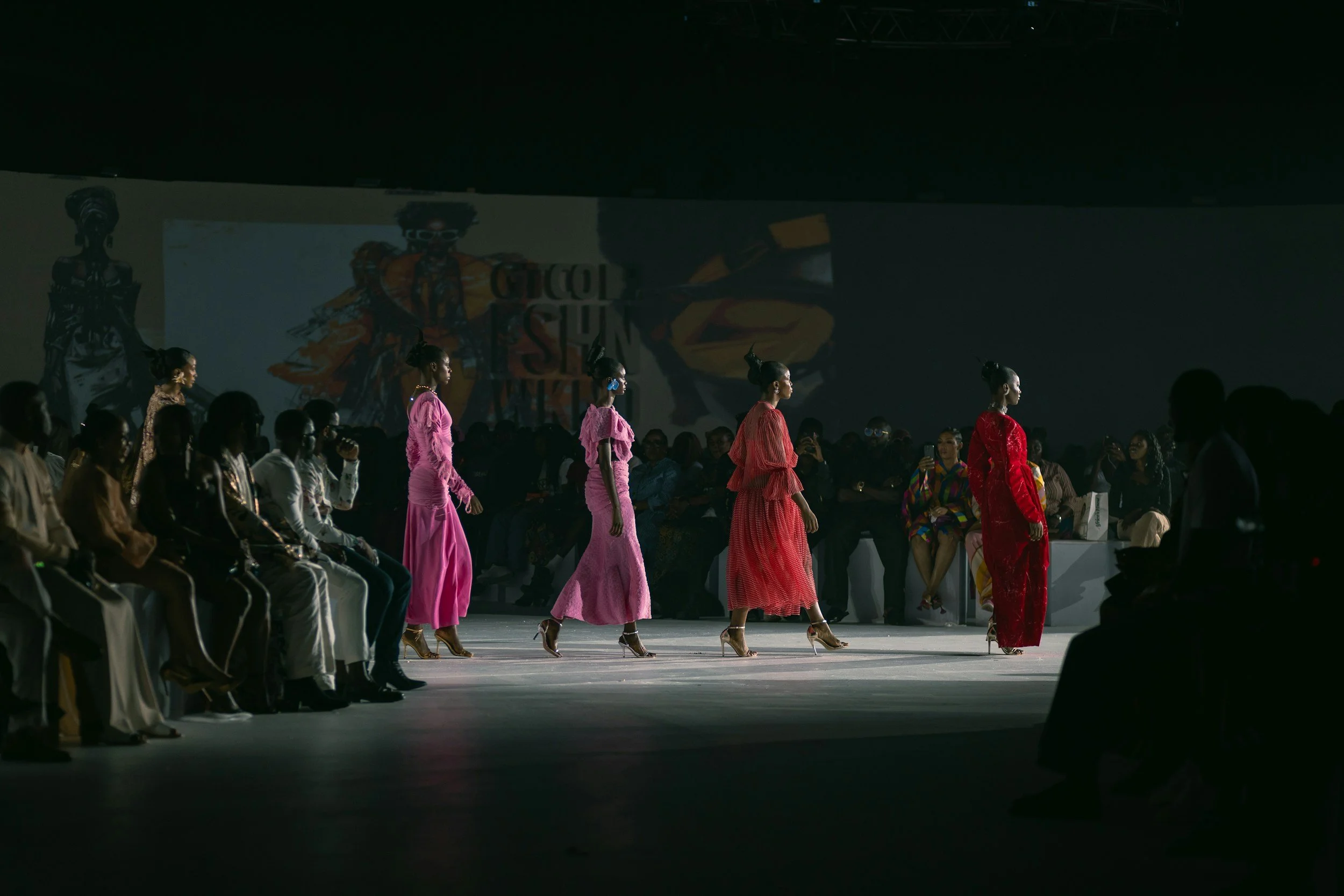
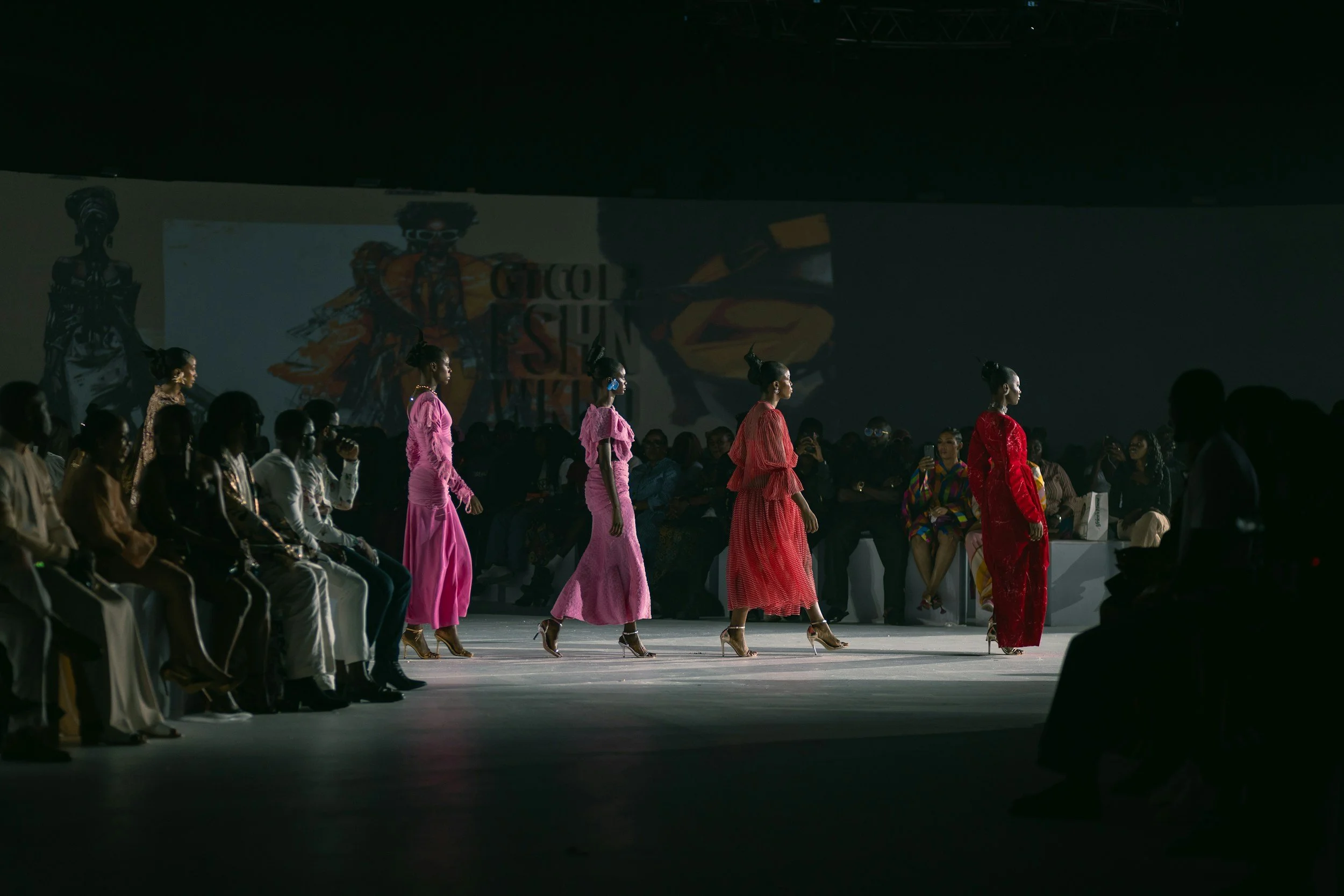
More than fifty designers from across Nigeria are expected to participate in the 2026 edition of Epic Fashion Week in Lagos, presenting collections spanning contemporary African aesthetics, emerging trends and local craftsmanship.
The edition places particular emphasis on youth-driven creativity, sustainable fashion, and the growing influence of Nigerian streetwear and luxury within global markets.
The case for volume
Fifty designers is a lot for a single event, and there is an obvious criticism: that showcasing that many labels dilutes attention and gives nobody a proper platform.
The counter-argument is more persuasive in the Nigerian context. The binding constraint for most emerging Nigerian designers is not competition for attention at a show. It is getting into any room with buyers, press or stockists at all.
A large, accessible platform lowers the barrier for designers who cannot access the more established and more selective calendar. Some of them will not be ready. A few will be, and would otherwise have had no route in.
Streetwear as the growth category
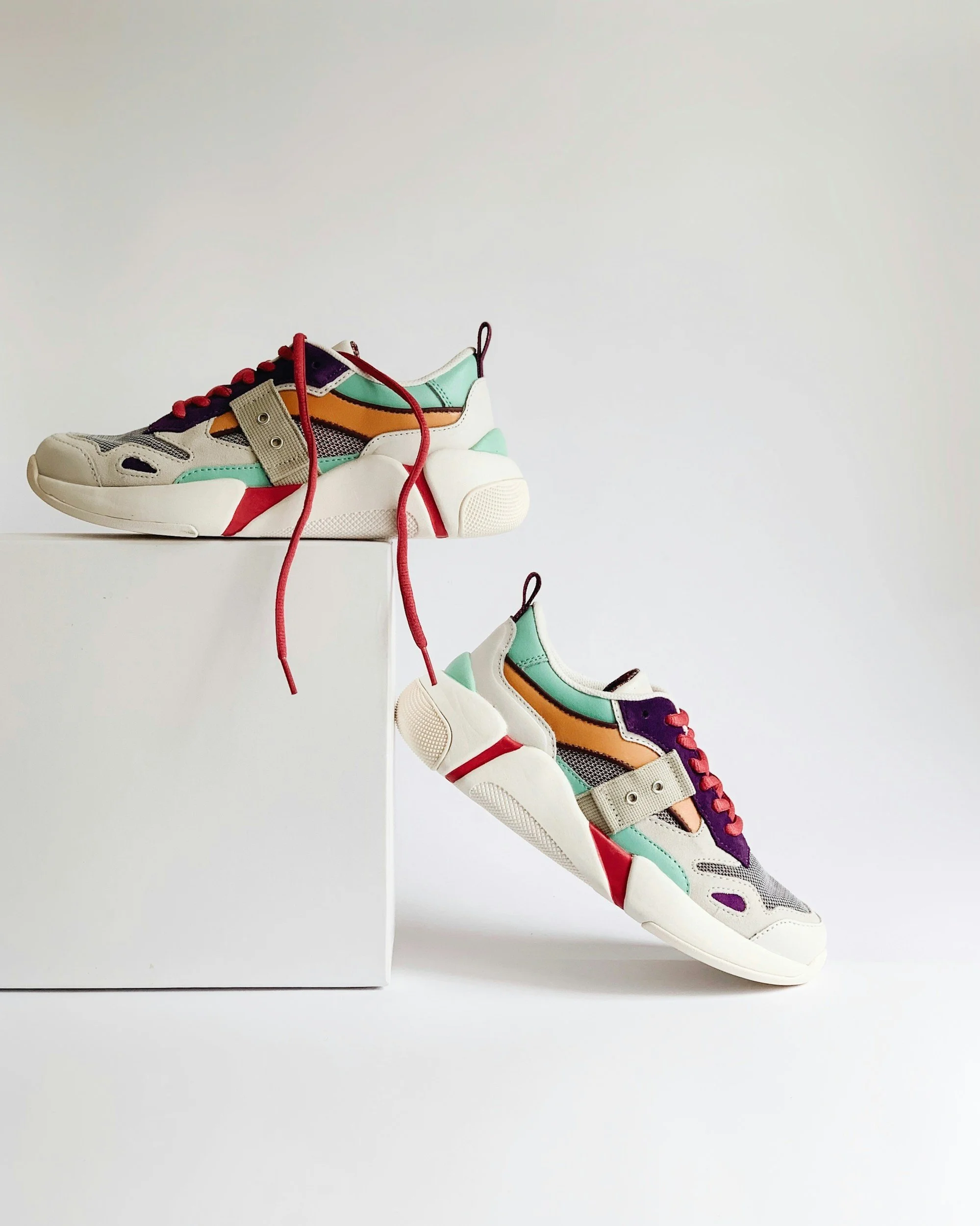
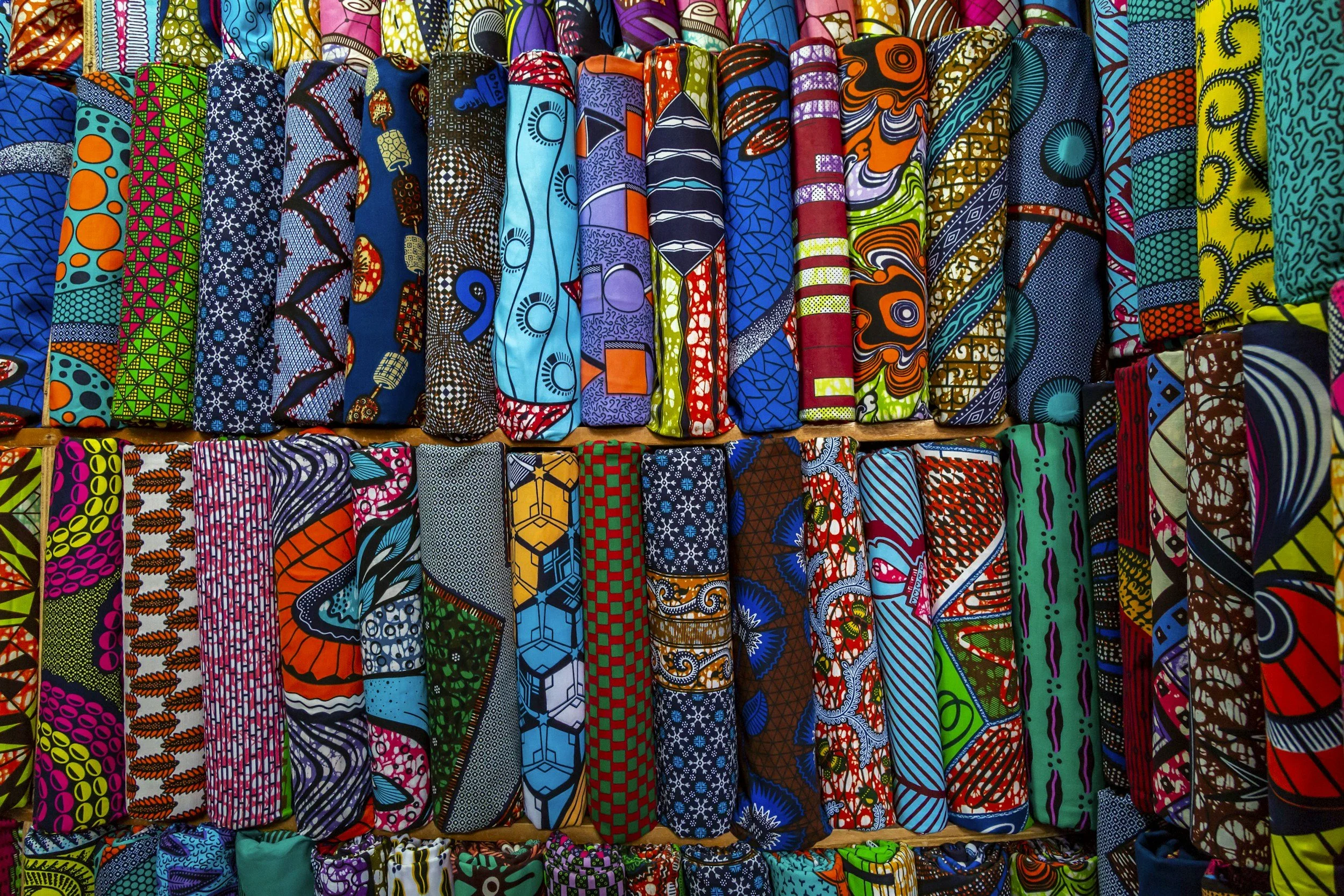
The emphasis on streetwear reflects where the commercial energy actually is. Nigerian streetwear has developed a distinctive visual language over the last decade, drawing on local textile traditions, football culture, church aesthetics and the internet, and it travels internationally far more readily than formal or occasion wear.
It is also the category best suited to Nigeria's production realities. Streetwear tolerates smaller runs, variable finishing and direct-to-consumer distribution in ways that luxury tailoring does not.
The sustainability strand
The theme appears across both major Lagos fashion events this year, with Lagos Fashion Week's Green Access programme running under 'CRAFTED IN PRACTICE: Reimagining Craft for a Circular Future'.
It is worth Nigerian designers claiming this ground rather than importing the framing. Circularity is not a new European idea being introduced to West Africa. Repair, reuse and long garment lifecycles have been standard practice here for generations, largely because the alternative was unaffordable.
Sources: Megastar Magazine; Lagos Fashion Week.
There is something slightly absurd about the way sustainability has entered African fashion conversation: as a set of standards developed in Europe, which African designers are now invited to demonstrate compliance with.
The actual history runs in the opposite direction.
West African textile practice has always been circular, because material was expensive and disposal was not an option. Garments were repaired, re-dyed, passed down, remade and eventually cut up for other uses. Aso oke and adire traditions involve labour-intensive production that assumes a garment lasts decades. The second-hand trade that clothes much of the continent is the largest reuse system in the world.
Meanwhile the fast fashion model that created the sustainability crisis was designed and scaled in Europe and North America, and its waste is exported back to West African markets in quantities that overwhelm them.
So when Nigerian designers engage with circularity, they are not adopting a foreign standard. They are formalising something their grandmothers did, at a moment when the industry that abandoned the practice has decided it was right all along.
The framing matters, because whoever sets the standard captures the value.