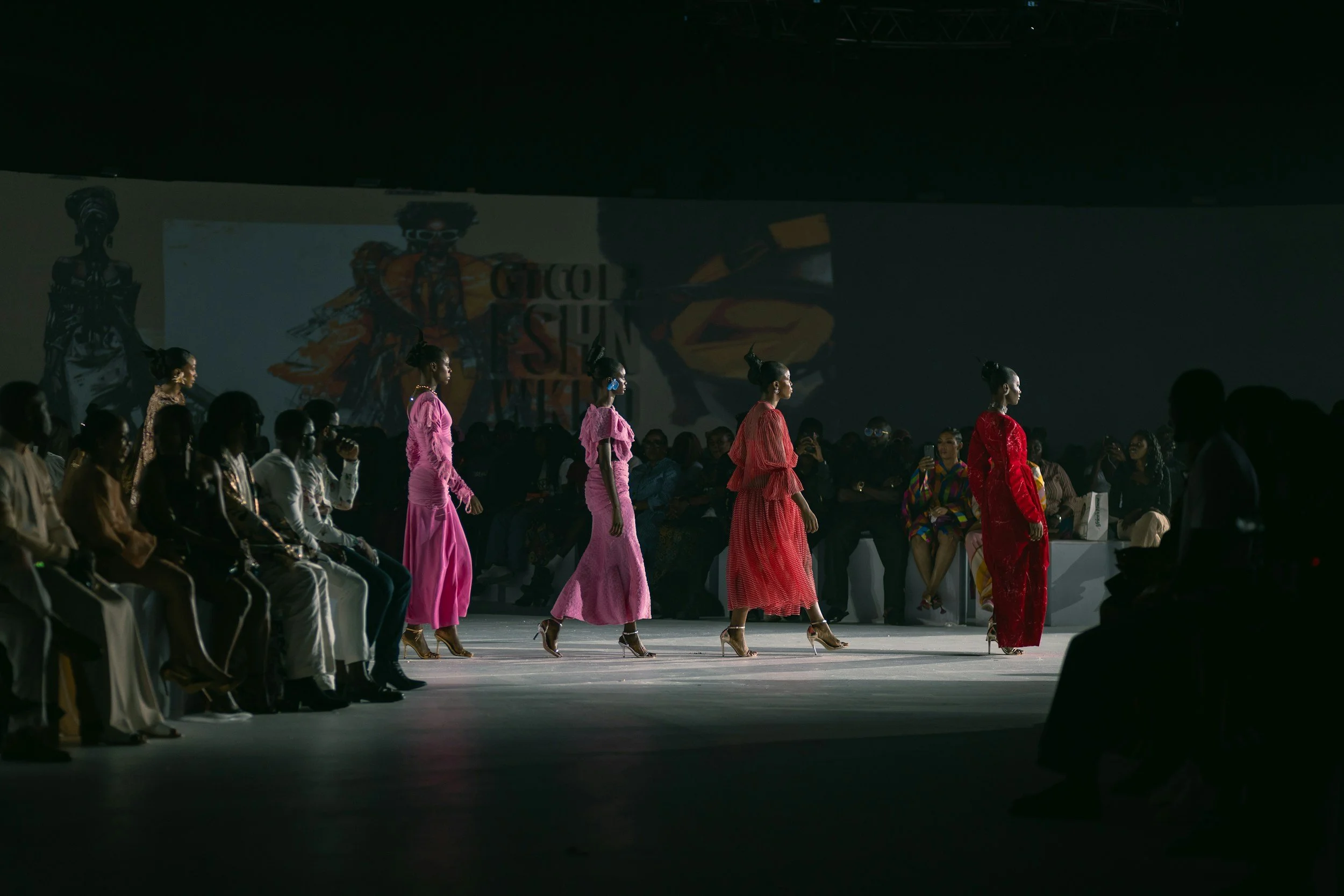
Nigerian Designers Storm Africa Fashion Week London as the 16th Edition Opens
Tomorrow, the runway lights come up not in Lagos or Abuja, but in Central London, at an address that has never hosted this event before. Africa Fashion Week London opens its 16th edition on August 17 at 8 Northumberland Avenue, a new venue for a fashion week that has spent sixteen years building itself into what organizers call Europe's largest annual fashion event celebrating African culture and design talent.
This year's theme, "Design Beyond Borders," could double as a mission statement for the Nigerian designers on the bill. They're not showing at home this week. They're showing in London, using a foreign capital to make their case to a global audience — buyers, press and stylists who may never otherwise see their work up close.
Sixteen editions in, that's no longer a novelty. It's a pattern: African design finding its biggest annual European audience not on the continent, but in a Central London venue built for exactly this purpose.
Sixteen years running, organizers call Africa Fashion Week London Europe's largest annual fashion event celebrating African culture and design talent, with five Nigerian brands on this year's bill.
The Nigerian names on the runway
The confirmed 2026 lineup includes several Nigerian brands, each arriving with a distinct pitch. Juoby & Co. is on the list. So is Klassic Unisex Couture, which works in handcrafted Aso Oke and Adire unisex couture — Nigerian textile traditions rebuilt as contemporary, gender-fluid pieces, aimed at a customer who doesn't want heritage fabric confined to "occasion wear." GEOMOTION, founded by Nigerian mechanical engineer Machar Dzarma Laushi, brings an engineering background into design, an unusual route into fashion that suggests a more structural approach to garment-making than a purely artistic one. BKDY, founded by Olubukola Adeyemi, and Komeh Swish, a bridal and eveningwear house founded by Miriam Kome Jegede, round out the Nigerian presence, according to BusinessDay.
That's five distinct Nigerian design houses, spanning unisex heritage textiles to bridalwear, all placed on a single international runway this week. It's a wider spread than a single "Nigerian aesthetic" label could capture — traditional fabric, engineering-influenced structure, and formal bridalwear are three very different design languages, all carrying the same national tag into a London showcase.
None of the five are chasing the same customer. A shopper drawn to Klassic Unisex Couture's Aso Oke pieces is not necessarily the audience Komeh Swish is building bridal collections for. That range is arguably the point: AFWL isn't presenting a single, flattened idea of "Nigerian fashion" to a London audience — it's presenting five separate businesses that happen to share a country of origin.
It's also worth noting how differently each of these brands describes its own reason for being there. A heritage-textile label like Klassic Unisex Couture is making an argument about craft and continuity — Aso Oke and Adire are techniques passed down, not invented for a London runway. GEOMOTION, coming from an engineering background, is making a different argument entirely, about structure and process. Two Nigerian brands on the same catwalk, telling two completely different stories about what "Nigerian design" even means.
A new address, a bigger stage
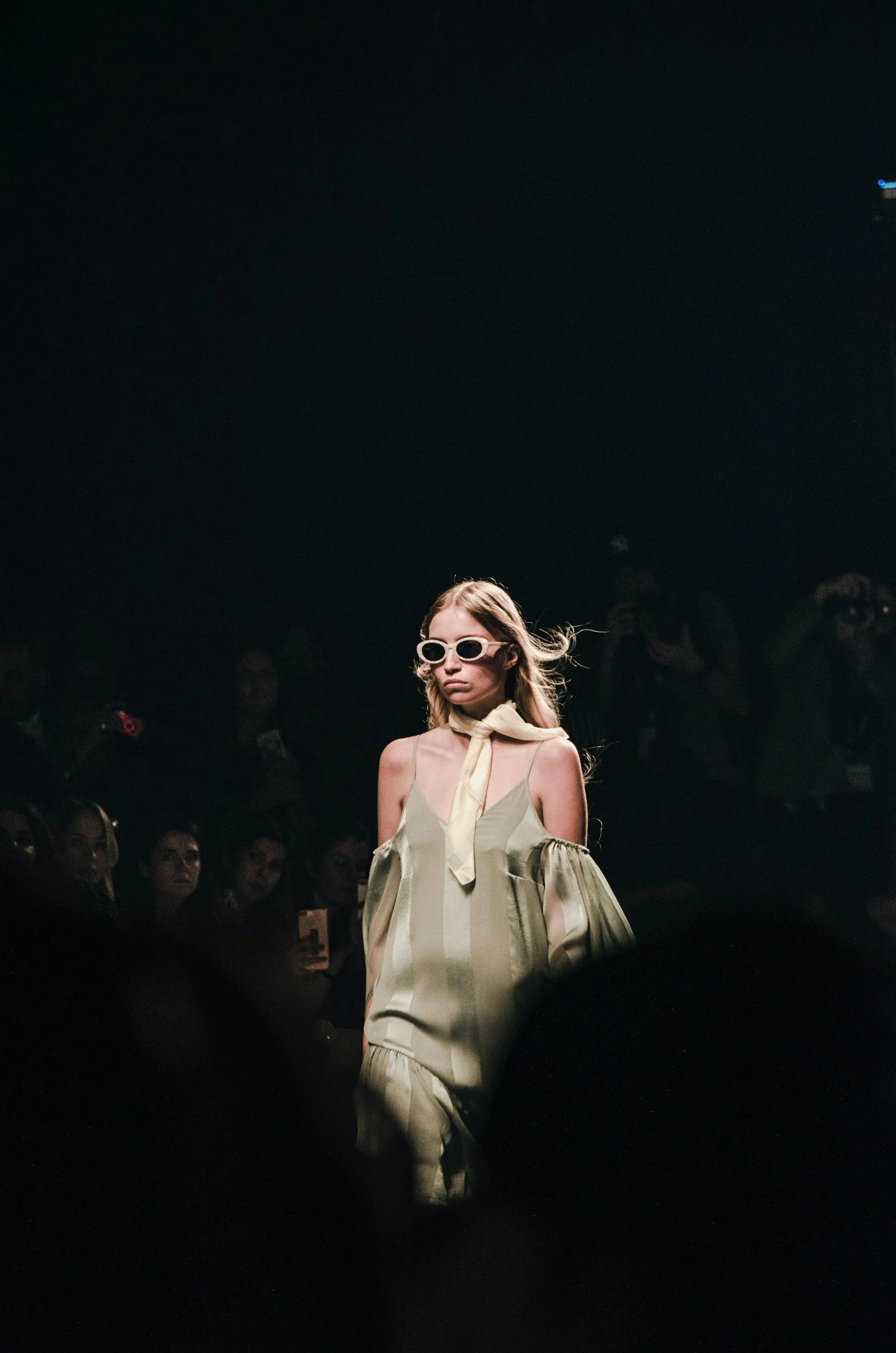
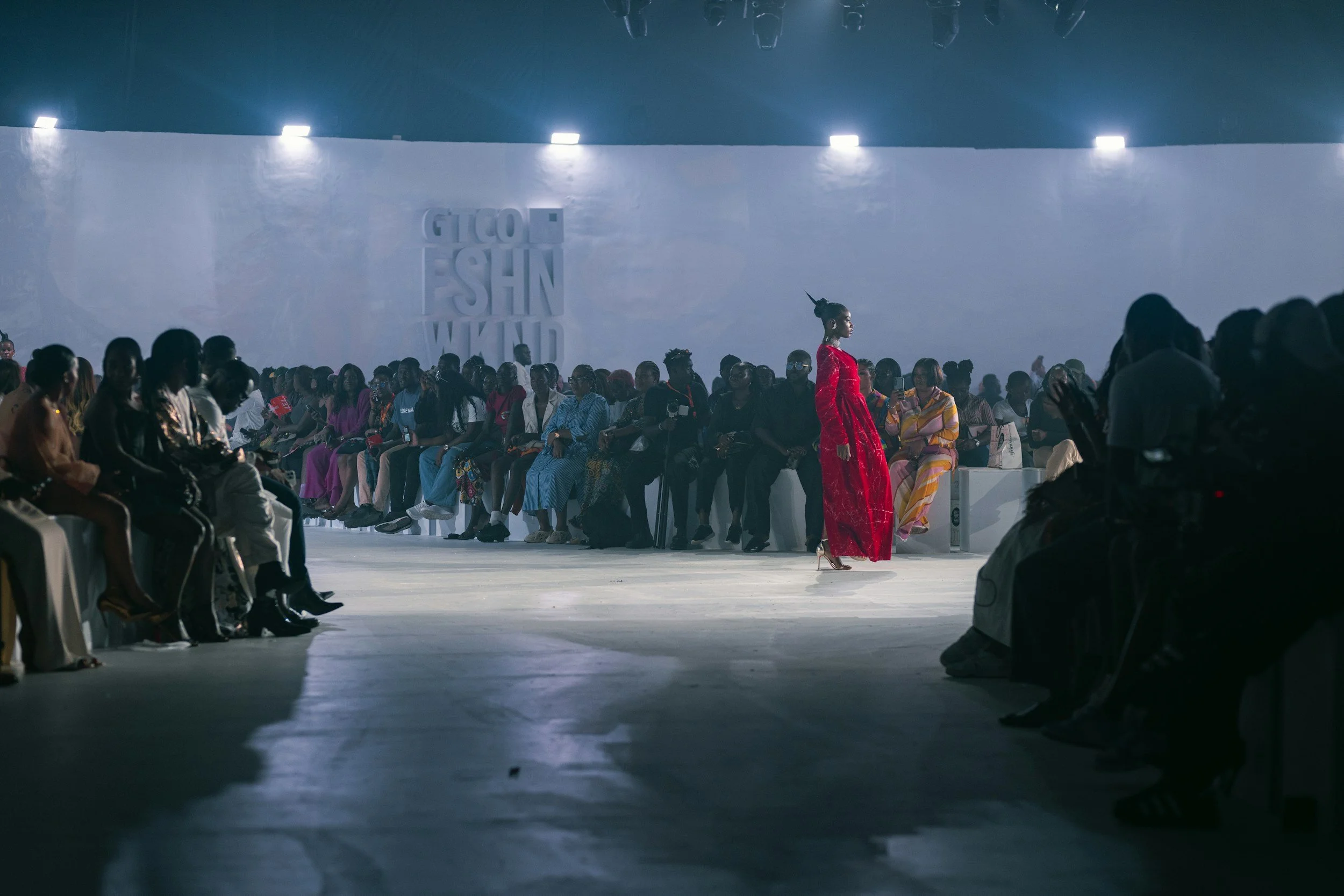
The move to 8 Northumberland Avenue marks a physical reset for AFWL's 2026 edition. Sixteen years in, the event isn't just repeating itself — it's relocating to a new Central London venue. Each catwalk this year features up to ten different designers, meaning the Nigerian names showing won't be alone on stage. They're sharing runway time with designers from across the African continent and its diaspora, all under one themed showcase.
Sharing a ten-designer catwalk cuts both ways. It means less exclusive runway time for any single Nigerian label. It also means a Nigerian house at AFWL 2026 is showing alongside — not instead of — designers from other African countries, inside a themed program built around "Design Beyond Borders." For a brand like GEOMOTION or BKDY, that's a chance to be seen in direct context with the wider continental design scene a London audience might not otherwise get access to in one sitting.
The star power in the seats
Special guests for the 2026 edition include Afrobeats stars Cuppy and Seyi Shay, according to the Africa Fashion Week London designer list — a reminder that the audience for this event stretches well past the fashion press into Nigeria's wider entertainment and music crowd, names who bring their own followings into the room.
That crossover matters commercially as much as culturally. A runway show covered only by fashion trade press reaches one audience. A runway show with Cuppy and Seyi Shay in the room reaches their audiences too — a wider, younger, more Nigeria-attentive crowd than a standard London fashion week guest list would typically pull in on its own. It's a reminder that African fashion weeks increasingly compete for the same kind of cultural crossover Western fashion weeks have long relied on: a front row that isn't just retail buyers and editors, but people whose presence alone generates coverage.
Why London, and not home
There's a version of this story that happens every year in Lagos, when the city's flagship fashion week draws its own global spotlight. This one is different. Africa Fashion Week London gives Nigerian designers a route to an audience — buyers, press, stylists — that a Lagos calendar, however strong, cannot gather in the same room. Organizers have spent sixteen editions positioning AFWL as the continent's biggest annual showcase in Europe, and this week, five Nigerian labels are testing what that platform is actually worth.
For designers like Klassic Unisex Couture, built on Aso Oke and Adire, or Komeh Swish, built on bridalwear, that test has real stakes. A London showing is a chance at export orders, international stockists, and press attention that a home-market showcase, no matter how well attended, simply cannot replicate at the same scale.
There's also a longevity argument built into the number sixteen. Fashion weeks fold quickly when they stop delivering for the brands that show at them; AFWL reaching a 16th edition, with enough momentum to justify relocating to a bigger Central London address, suggests the event has kept enough exhibitors, Nigerian and otherwise, coming back that it could afford to grow rather than simply survive.
The runway opens tomorrow. "Design Beyond Borders" is the theme. For one week, it's also the literal itinerary.